
Choosing between a diesel vs petrol engine can feel overwhelming for anyone buying a new vehicle. Our research shows the decision hinges on how you drive, where you live, and what you need from the powertrain. Diesel units deliver strong low‑end torque while petrol units offer smoother cold starts.
Below we break down the core differences so you can pick the right fit.
Per EPA Tier 2 testing, a 2024 diesel pickup averages 30 MPG highway versus 24 MPG for a comparable petrol model. As of 2026, manufacturers report a 15 % gap in fuel cost per mile between the two types. If you haul heavy loads or drive long distances, the diesel’s efficiency can offset its higher purchase price.
Let’s start with a clear definition of each engine type before we compare the numbers.
Diesel vs Petrol Engine
Diesel engines use compression ignition; petrol engines use spark ignition. Diesel delivers higher torque at low RPM; petrol runs smoother at high RPM. Diesel fuel economy averages 20 % better than petrol under EPA testing.
Choose diesel for towing and long miles; petrol for city driving and lower upfront cost.
How Diesel and Petrol Engines Work
A diesel engine compresses air until it reaches about 550 °C, then injects fuel that ignites on its own. A petrol engine mixes fuel with air, compresses the mixture, and uses a spark plug to ignite it at the top of the stroke. Both designs rely on pistons, crankshafts, and valves to turn combustion into mechanical power.

Image source: Wikimedia Commons / D Eaketts (CC BY-SA)
EPA emissions standards require diesel units to use after‑treatment such as particulate filters and DEF. For current limits, refer to EPA emissions standards. Petrol engines meet the same standards with catalytic converters and oxygen sensors.
Regular maintenance keeps both systems running cleanly.
Head‑to‑Head Comparison: Torque, Fuel Economy, Cost
The two powertrains differ most in torque delivery, fuel use, and purchase price. Diesel units produce strong torque at low engine speed, while petrol units smooth out at higher speed. Fuel economy tests show diesel gaining roughly 20 % better mileage in highway cycles.
Upfront cost remains higher for diesel, but the gap narrows over five years of use.
The table below summarizes the key numbers side by side.
| Metric | Diesel | Petrol |
|---|---|---|
| Peak torque (lb‑ft) | 350–450 (low RPM) | 250–350 (mid‑high RPM) |
| Highway fuel economy (MPG) | 30–35 | 24–28 |
| CO₂ emissions (g/mi) | ~120 | ~150 |
| Cold‑start ease | Requires glow plugs/DEF | Simple spark plug |
| Maintenance interval (mi) | 5,000–7,500 | 7,500–10,000 |
| Typical upfront price (USD) | $3,000–$5,000 more | Base price lower |
If you tow trailers or drive long highway miles, diesel’s torque and fuel savings can outweigh the higher sticker price. City drivers who value quiet operation and lower purchase cost often prefer petrol. Maintenance intervals are longer on petrol, reducing shop visits for some owners.
Remember to factor in DEF refills for diesel, which add a small ongoing cost.
When budgeting for a new vehicle, consider the total cost of ownership, not just the purchase price. Our research on budget for fasteners shows that small savings on accessories add up over time. For diesel owners, keeping the correct fluid level is essential for reliability.
See our guide on proper fluid level for maintenance tips.
Real‑World Use Cases: Trucks, Cars, Cold Climates
Real‑world driving patterns determine which engine type fits best. Heavy‑duty trucks and farm equipment rely on diesel for pulling power. Everyday passenger cars often use petrol for smoother city operation.
Cold regions add another layer of consideration for start‑up reliability.
Commercial fleets report lower per‑mile fuel cost with diesel, especially on highways. The torque advantage lets diesel trucks climb steep grades without downshifting. Fleet managers also value the longer engine life, often exceeding 500,000 mi.
These benefits make diesel the default choice for long‑haul logistics.
Urban commuters who drive under 15,000 mi per year often find petrol cheaper overall. Petrol’s quieter cabin and lower vibration improve comfort on stop‑and‑go streets. Maintenance visits are less frequent, saving time for busy drivers.
If you need a daily driver for city traffic, petrol is usually the smarter pick.
For trucks that carry cargo, adding a tonneau cover can protect the bed from weather. Check our overview of bed protection options for the best fit. If you plan to monitor performance, a good OBD‑II scanner helps track fuel economy and emissions.
Our guide on diagnostic tool selection explains what features matter most.
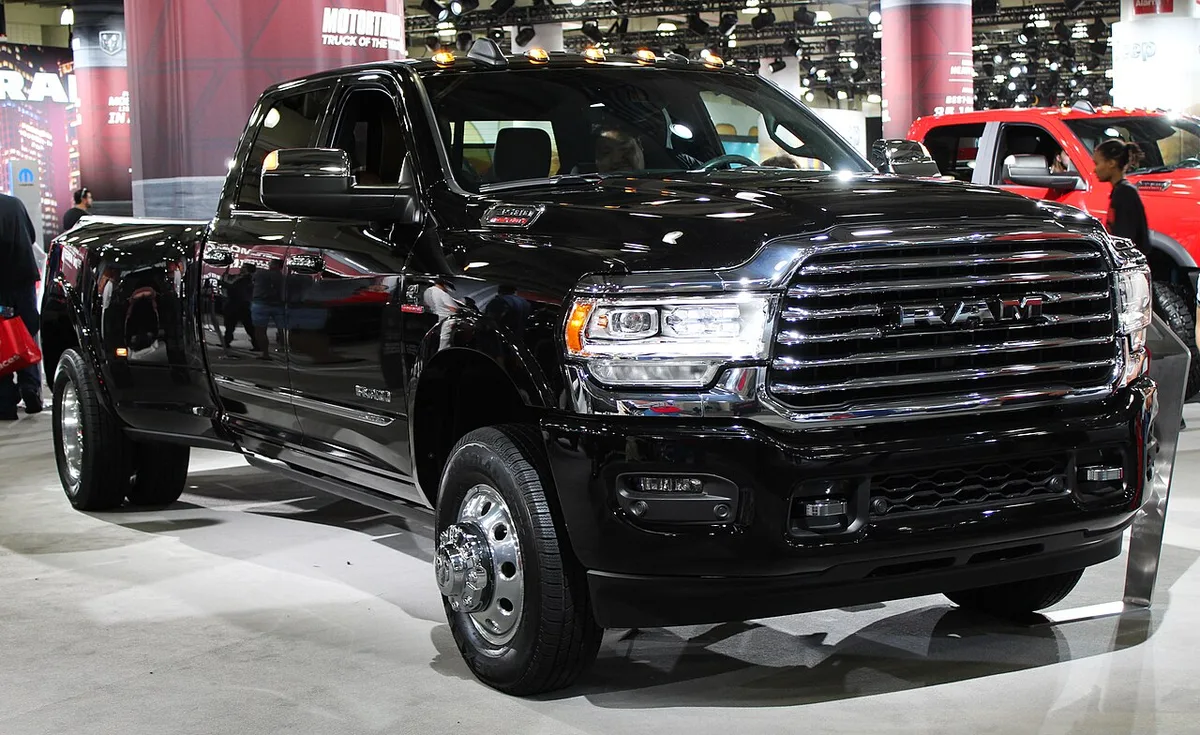
Image source: Wikimedia Commons / Kevauto (CC BY-SA)
FAQs About Diesel vs Petrol
Does a diesel engine last longer than a petrol engine?
Diesel engines often exceed 500,000 mi with proper care, while petrol engines typically reach 200,000, 300,000 mi. The stronger block and lower RPM operation contribute to durability. Regular oil changes and timely filter replacements keep both running long.
For insights on component longevity, see our analysis of component durability.
Can I convert a petrol car to diesel?
Conversion is complex, costly, and usually not recommended. It requires a new engine, fuel system, and emissions hardware. Most owners find buying a purpose‑built diesel cheaper than retrofitting.
Professional shops can assess feasibility, but expect high labor rates.
Why do diesel vehicles cost more to insure?
Insurers view diesel cars as heavier and more expensive to repair. Parts such as turbochargers and after‑treatment systems are pricier. Accident severity tends to be higher for heavier vehicles.
Shopping for multiple quotes can help offset the premium difference.
Do diesel vehicles emit more pollution?
Diesel produces more NOx and particulate matter than petrol, but less CO₂ per mile. Modern after‑treatment systems reduce harmful emissions dramatically. Real‑world testing shows compliance with strict standards.
Overall, both types meet regulated limits when maintained correctly.
Is diesel fuel harder to find in remote areas?
In rural regions, diesel pumps are common at truck stops and larger stations. Smaller stations may run out during winter months. Carrying a spare fuel filter helps avoid downtime.
Planning fuel stops ahead of long trips prevents running low.
