
If you're wondering how much does a brake fluid flush cost, you're not alone. Many drivers notice spongy pedals or reduced stopping power after a few years. Research shows that a full flush restores performance and prevents component wear.
As of 2026, typical prices vary by service type.
Checking the correct fluid level before each season helps avoid air ingress. DOT 4 fluid meets the SAE J1703 boiling point of 230 °C when dry. Ignoring these signs can lead to brake fade and costly repairs.
Below we break down what you can expect to pay and why the price differs.
Brake Fluid Flush Cost: What to Expect & Save
How Much Does a Brake Fluid Flush Cost
A DIY flush typically costs $20 to $40 for fluid and a kit. Professional service ranges from $85 to $150, including labor. Labor rates vary by region, $80 to $120 per hour.
Expect the job to take 30 to 60 minutes.
Problem & When a Flush Is Needed
A brake fluid flush removes air, moisture, and contaminants that degrade performance. Over time the fluid absorbs water, lowering its boiling point and causing pedal sponginess. Symptoms include a soft pedal, longer stopping distances, and brake noise.
Ignoring these signs can damage calipers, rotors, and the master cylinder.
- Soft or mushy brake pedal
- Brake pedal sinks to the floor when held
- Reduced stopping power during hard braking
- Brake warning light on the dashboard
Per SAE J1703 standard, fluid must retain at least 155 °C wet boiling point. Using the wrong DOT rating can void warranties and harm seals. Regular intervals of 2‑3 years keep the system safe.
If you notice any of the above, schedule a flush soon.
Real‑World Cost Examples
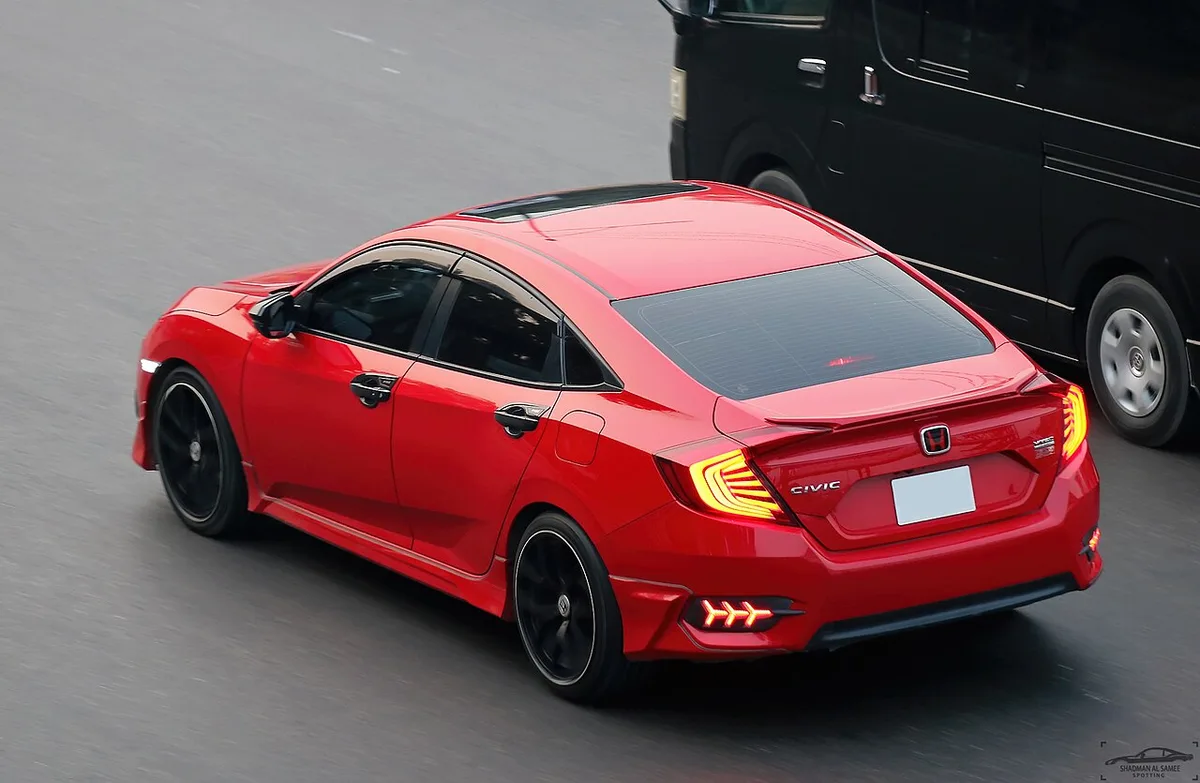
A DIY Honda Civic flush costs about $30 for DOT 4 fluid and a $15 bleeder kit. You’ll spend roughly 45 minutes removing old fluid and refilling the reservoir. After the flush, tighten lug nuts to proper torque to keep brakes stable.
Use a safe lift to access the brake reservoir without strain.
A professional Ford F‑150 service at a dealership runs $120 for labor plus $20 for fluid. The shop uses a pressure flush machine that forces fresh fluid through the entire system. If you also need a pre‑ignition check, see our guide on starter fluid in spark plug holes.
Expect the total bill to land between $85 and $150, depending on location.
Pricing Breakdown & Data
Labor rates vary widely: $80 per hour in rural areas, $120 in major cities. Fluid price per quart ranges from $5 for DOT 3 to $15 for DOT 4. Most systems hold 0.5 L to 1 L, adding $10 to $30 to the total.
A diagnostic tool can confirm fluid contamination before you spend on a flush.
| Service Type | Labor ($/hr) | Fluid Cost | Total Range |
|---|---|---|---|
| DIY kit only | — | $20‑$40 | $20‑$40 |
| Independent shop | $80‑$100 | $10‑$20 | $90‑$120 |
| Dealership | $100‑$120 | $15‑$25 | $115‑$145 |
For exact specifications, refer to the SAE J1703 standard. Regional taxes may add 5‑8 % to the final price. Seasonal demand in winter can push labor rates higher.
Pro Tips & Common Mistakes
Choose the correct DOT fluid for your vehicle; mixing DOT 3 and DOT 4 can damage seals. Flush the system completely instead of just topping off, because partial flushes leave contaminants behind. Keep the reservoir cap tight to prevent moisture ingress during storage.
- Verify the master cylinder reservoir level after each flush.
- Bleed the brakes in the proper order: front left, front right, rear left, rear right.
- Dispose of used fluid at a recycling center; it’s hazardous waste.
Avoid reusing old fluid or using cheap generic brands that don’t meet boiling point specs. Skipping the final air bleed often leads to a soft pedal on the first drive. If you’re unsure, a quick check with an OBD‑II scanner can reveal brake system codes.
