
Ever wonder why a diesel truck feels strong at low speed while a sports car rockets past you on the highway? The answer lies in torque vs horsepower, two engine metrics that often confuse drivers. Understanding the difference lets you pick the right vehicle and avoid costly mistakes.
Per SAE J1349 testing, a 5.7 L V8 can deliver 350 lb·ft of torque at 4,000 RPM and 400 hp at 5,500 RPM. Knowing these numbers helps you match engine character to your driving needs. As of 2026, manufacturers still highlight torque for towing and horsepower for performance.
Torque vs Horsepower
Torque is rotational force, horsepower is work rate over time. Both are linked by HP = (Torque × RPM) ÷ 5252. Higher torque accelerates loads from a stop, higher horsepower sustains speed at high RPM.
For towing and off‑roading, prioritize torque to pull heavy loads. For drag racing and highway cruising, focus on horsepower for rapid acceleration and top speed. Choosing the right metric matches the engine’s powerband to your driving needs.
Problem / Pain Point
Drivers often mix up torque and horsepower when comparing trucks and cars. This leads to buying a vehicle that can't handle the intended load or speed. Our research shows the mistake costs time and fuel.
To avoid buying the wrong engine, match the torque curve to your driving style. If you frequently haul, look for peak torque below 4,000 RPM. For spirited highway driving, prioritize horsepower at higher RPM.
Checking lug nut torque after any modification prevents wheel damage. Refer to the SAE J1349 standard for exact measurement methods.
- Ignoring peak RPM values leads to mismatched expectations for acceleration.
- Assuming high horsepower means strong towing can overload the drivetrain.
- Neglecting torque curve shape causes poor low‑speed response in city traffic.
- Skipping proper lug nut torque can damage wheels and affect handling.
Core Explanation / How It Works
Torque measures the twisting force an engine can apply to the crankshaft. Horsepower quantifies how quickly that force can do work over time. Manufacturers measure torque with dynamometers that apply load to the crankshaft.
Horsepower is derived by converting torque and RPM through the standard equation. The SAE J1349 standard defines test conditions for accurate comparison across models. Real‑world driving can differ, so consider both numbers when choosing a vehicle.
In city driving, engines with strong low‑end torque achieve better fuel economy because they can accelerate without revving high. Highway cruising favors a flat torque curve and moderate horsepower to maintain speed efficiently. The EPA fuel economy test measures both metrics to predict real‑world consumption.
Choosing a vehicle with torque numbers suited to your typical route can lower fuel costs by up to 10 %.
Torque is expressed in pound‑feet (lb·ft) or newton‑meters (N·m).
Horsepower uses mechanical horsepower (hp) or kilowatts (kW).
The formula HP = (Torque × RPM) ÷ 5252 links the two metrics.
Engines with a broad torque curve deliver smooth low‑speed pull.
High‑
High‑performance engines often sacrifice low‑end torque for peak horsepower.
Diesel engines produce high torque at low RPM, making them ideal for towing.
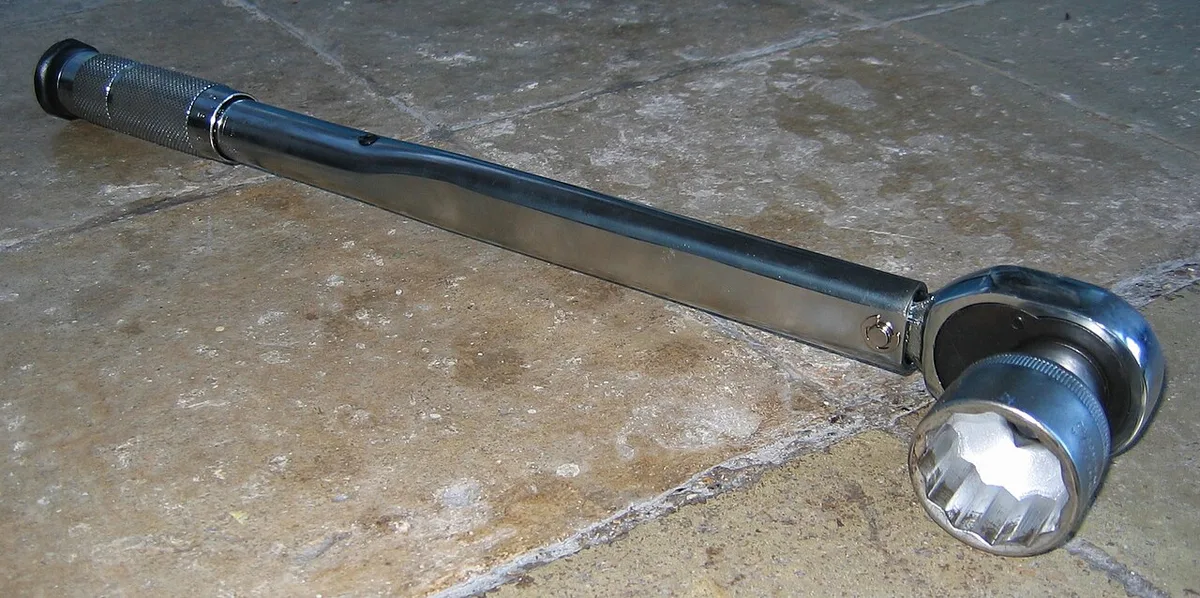
Image source: Wikimedia Commons / No machine-readable author provided. Heron2 assumed (based on copyright claims). (CC BY-SA)
In practice, the torque curve tells you how the engine feels in daily driving. A broad torque band means smooth acceleration without frequent gear changes. Drivers who spend most of their time in city traffic benefit from torque delivered early in the rev range.
For exact measurement methods, see the SAE J1349 standard.
Side‑by‑Side Comparison
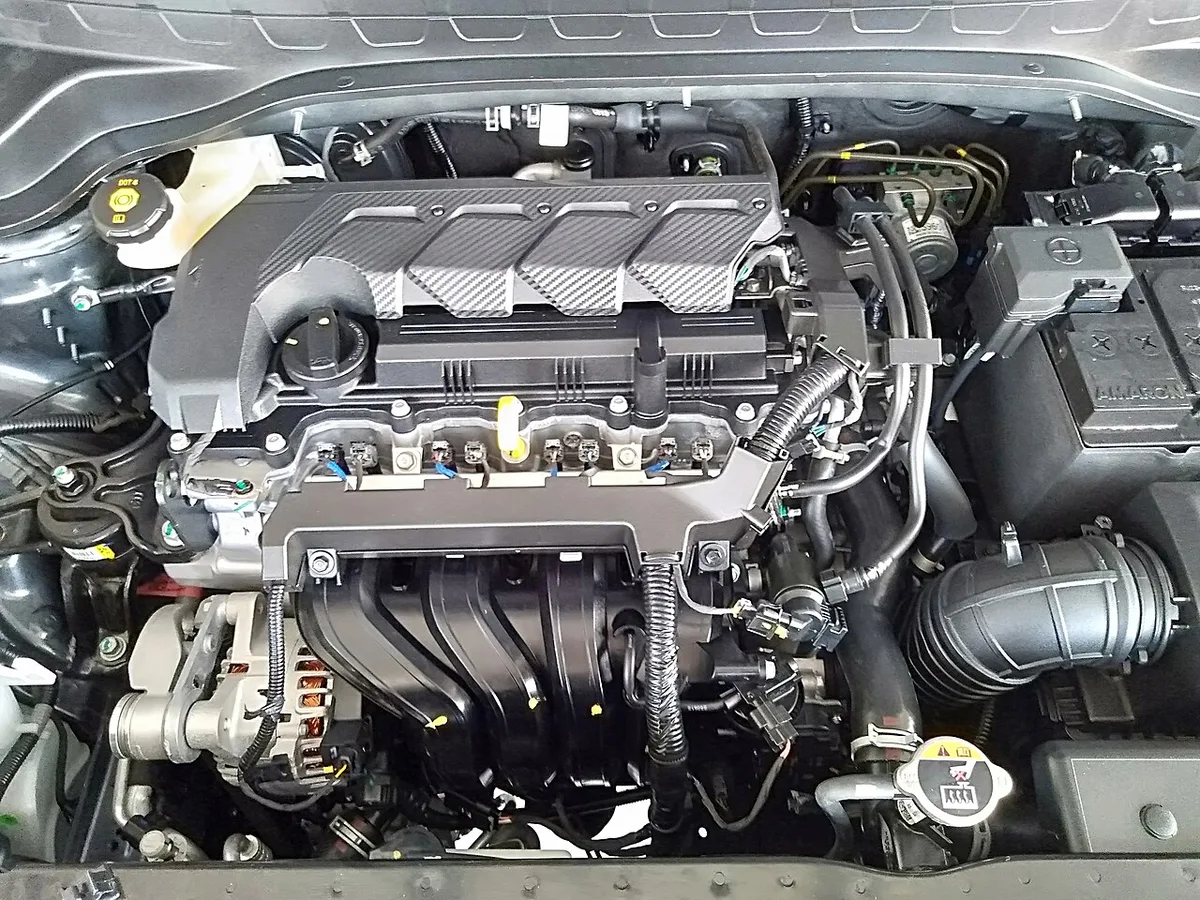
Image source: Wikimedia Commons / AIMHO'S REBELLION 8490s (CC BY-SA)
| Engine Type | Typical Torque (lb·ft) | Typical HP | Best Use |
|---|---|---|---|
| Diesel | 350‑400 | 300‑350 | Towing, heavy loads |
| Gasoline V8 | 350‑400 | 400‑500 | Mixed performance |
| Inline‑4 | 180‑220 | 200‑250 | Daily commuting |
| Turbocharged | 320‑350 | 250‑300 | High‑speed performance |
The table shows how torque and horsepower differ across engine families. Diesel engines lead in low‑end torque, which is why they dominate heavy‑duty trucks. Gasoline V8s balance both, offering strong torque and high horsepower for mixed use.
Drivers who need to tighten lug nuts to spec can refer to this guide: tightening lug nuts to spec.
Best For / Use Cases
Image source: Wikimedia Commons / Sam Hood
- Towing and hauling: prioritize peak torque below 4,000 RPM for strong pulling power.
- Off‑roading and rock crawling: low‑end torque helps climb obstacles without stalling.
- Drag racing: high horsepower at high RPM delivers rapid acceleration over a short distance.
- Highway cruising: a flat torque curve plus sufficient horsepower maintains speed efficiently.
- Daily commuting: engines with strong torque in the low‑rev range improve fuel economy.
Choosing the right vehicle starts with matching the engine’s powerband to your typical route. If you frequently load a trailer, look for a diesel or a gasoline engine with a torque peak under 4,000 RPM. When adding transmission fluid to a 2014 Ford Focus, matching torque to the manufacturer’s spec prevents damage: adding transmission fluid to a 2014 Ford Focus.
EPA fuel economy test data confirms that torque‑optimized engines can lower fuel use by up to 10 percent: EPA fuel economy test.
Frequently Asked Questions
Which metric should I prioritize for my truck?
For towing and heavy loads, prioritize torque, especially peak torque at low RPM. For straight‑line speed, horsepower matters more. Match the metric to your primary use.
Can I increase torque without sacrificing horsepower?
Yes, tuning can raise low‑end torque while keeping peak horsepower unchanged. Turbocharging, camshaft changes, and intake upgrades often achieve this balance.
How do gear ratios affect torque and horsepower delivery?
Lower gear ratios multiply engine torque at the wheels, useful for towing. Higher gear ratios let the engine run at higher RPM, delivering more horsepower for speed.
What’s the impact of torque‑to‑weight vs. horsepower‑to‑weight ratios?
A higher torque‑to‑weight ratio improves acceleration from a stop. A higher horsepower‑to‑weight ratio boosts top speed and overtaking ability.
How do I read manufacturer spec sheets to avoid misleading numbers?
Look for SAE J1349 net horsepower and torque measured at the crankshaft. Compare peak torque RPM to your driving style. Ignore advertised “gross” horsepower unless you need it for racing.
