
If you’re tuning a turbo car, you’ll hear the debate wastegate vs blow off valve. Both control boost, but they work in different situations. Choosing the right one can prevent engine damage and keep power smooth.
In our research, the decision hinges on your build’s goals.
External wastegates typically flow 800 CFM at 10 psi according to SAE J1349 testing as of 2026. A recirculating blow‑off valve routes excess pressure back to the intake, reducing noise and staying legal in most states. When you need a quick, audible release for track days, an atmospheric BOV is the go‑to choice.
This guide breaks down how each works, where they fit, and how to avoid common mistakes.
Wastegate vs Blow Off Valve
A wastegate limits boost by venting excess pressure. A blow‑off valve releases pressure for quick spool and sound. Use a wastegate on street or drift builds for precise control.
Choose a blow‑off valve for drag racing or track days.
How Each Works: Internal vs External Wastegate, Recirculating vs Atmospheric BOV
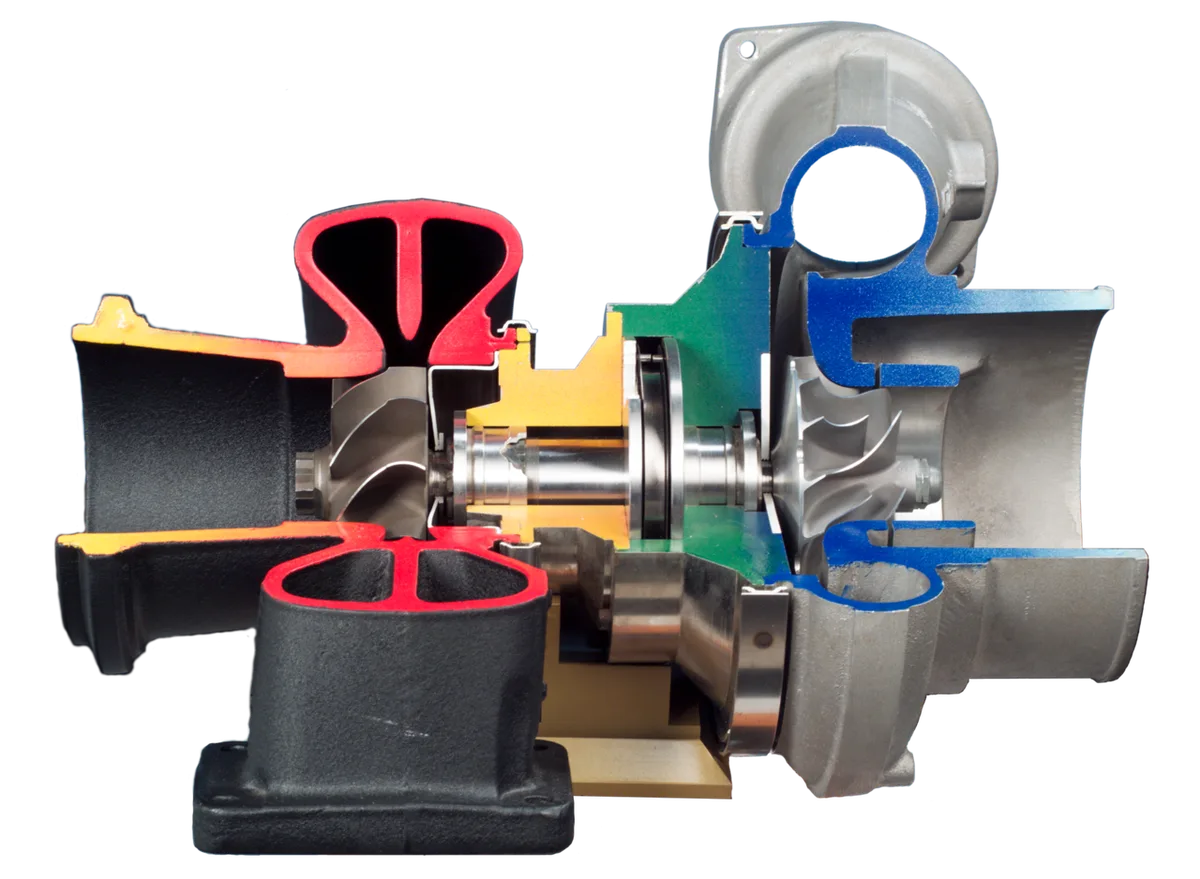
An internal wastegate sits inside the turbo housing and is compact. An external wastegate mounts outside, offering larger flow capacity. Internal units are common on OEM turbos for daily drivers.
External units are preferred on high‑performance builds for tunability.
A recirculating blow‑off valve sends vented air back to the intake manifold. An atmospheric BOV dumps air to the outside, creating the signature hiss. Recirculating valves keep the system sealed and quieter.
Atmospheric valves are louder but often cheaper and easier to install.
SAE J1349 defines the flow testing used for these numbers.
| Component | Flow Range (CFM) | Actuation | Typical Use |
|---|---|---|---|
| Internal wastegate | 400‑600 | Spring or vacuum | OEM street cars |
| External wastegate | 600‑1200 | Spring, vacuum, electronic | Drag, drift builds |
| Recirculating BOV | 1000‑2000 | Vacuum or electronic | Quiet street, track |
| Atmospheric BOV | 1000‑2000 | Vacuum or electronic | Loud track, show cars |
- Internal wastegate: compact, OEM‑tested, less plumbing.
- External wastegate: adjustable spring rate, higher flow, easier to service.
- Recirculating BOV: legal in noise‑restricted areas, reduces intake temperature.
- Atmospheric BOV: audible release, simple design, popular on race cars.
After selecting a valve, tune the ECU for proper opening pressure. tune the ECU ensures the valve works with your boost target. Always check for vacuum leaks before the first run.
Secure all fittings with proper torque to avoid boost loss.
Best‑Fit Scenarios: Drag, Drift, Daily Driver, Off‑Road
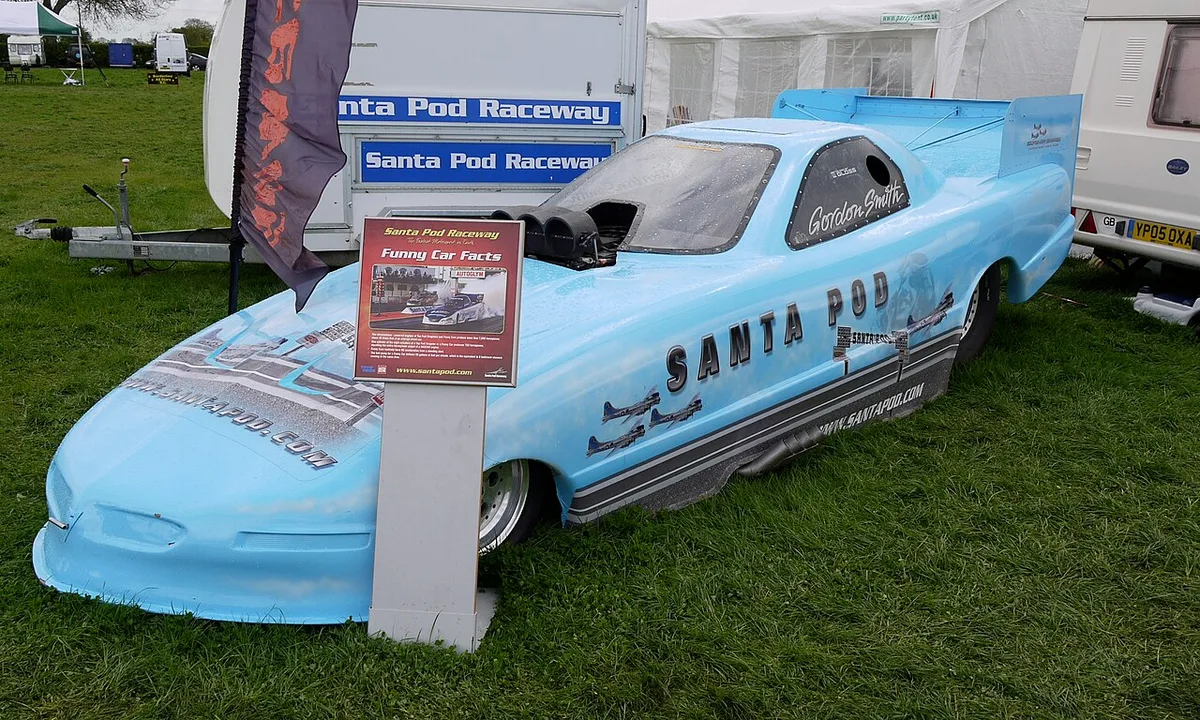
Drag racing demands fast spool and a high‑flow release. An external wastegate paired with an atmospheric BOV provides quick venting. Set the wastegate spring for 15 psi to hit target boost instantly.
This combo also reduces turbo lag on the launch.
Drift cars need precise boost control at high RPM. An external wastegate with a recirculating BOV keeps the intake sealed. Recirculating valves prevent sudden pressure drops that can cause over‑boost.
Drivers can adjust the wastegate actuator for tighter boost curves.
Street cars benefit from reliability and quiet operation. An internal wastegate with a recirculating BOV meets most noise ordinances. The recirculating design returns vented air to the intake, maintaining efficiency.
Regular maintenance is simple; just inspect the spring for wear.
Off‑road trucks often run low‑boost tunes for durability. An internal wastegate integrated into the turbo handles dust and heat. Mount accessories cleanly to avoid interfering with the wastegate linkage.
mount accessories cleanly helps keep the system functional in rough terrain.
- Drag: external wastegate + atmospheric BOV.
- Drift: external wastegate + recirculating BOV.
- Daily driver: internal wastegate + recirculating BOV.
- Off‑road: internal wastegate, robust mounting.
Common Mistakes & How to Avoid Them
Choosing a wastegate that’s too small restricts flow and causes boost lag. Match the valve size to your turbo’s A/R and target boost. Use a flow calculator or consult the manufacturer’s chart.
If unsure, start with a 600 CFM unit and upgrade later.
Running an atmospheric BOV on a street car can violate local noise limits. Check your state’s regulations. Many require recirculating valves for street legality.
If you prefer the sound, consider a muffler kit to reduce dB.
Neglecting vacuum lines leads to leaks and erratic valve operation. Inspect lines for cracks and secure connections before each run. Replace cracked hoses immediately to maintain consistent boost.
secure wheel bolts are not related, but keeping all fasteners tight prevents failures.
Not tuning the wastegate spring results in either over‑ or under‑boost. Adjust the spring preload to the desired pressure using a gauge. Re‑check after the first dyno session and fine‑tune as needed.
If you lack a gauge, a professional shop can set it accurately.
Always relieve system pressure before servicing any valve. Wear eye protection because hot exhaust gases can escape during removal. Work in a well‑ventilated area to avoid inhaling oil mist.
Refer to the OEM service manual for specific torque values.
Frequently Asked Questions
Do I need both a wastegate and a blow‑off valve?
A wastegate alone can limit boost on street and drift cars. A blow‑off valve alone is common on drag cars for quick release. Adding both can provide redundancy but adds complexity and cost.
Can a recirculating BOV be used on a drag car?
Yes, a recirculating BOV can be used on drag cars. It keeps the intake sealed and reduces noise for street legal runs. For maximum sound effect, many racers still prefer atmospheric valves.
Choose based on your track’s noise rules and personal preference.
How do I know if my wastegate is stuck open?
A stuck‑open wastegate causes loss of boost and poor acceleration. Check for vacuum leaks, worn springs, or debris blocking the valve. Listen for continuous hissing from the exhaust when the engine is off.
If stuck, remove the valve, clean it, and test operation before reinstall.
Is an electronic wastegate better than a mechanical one?
Electronic wastegates offer programmable pressure control via the ECU. Mechanical units rely on spring or vacuum and are simpler to install. Electronic valves are ideal for precise tuning and boost‑by‑gear strategies, which you can set up using compare ignition options.
For most street builds, a mechanical wastegate provides reliable performance.
Will using a BOV increase my fuel efficiency?
A BOV does not directly affect fuel efficiency. It only releases excess boost pressure that the turbo would otherwise waste. Properly sized valves keep the turbo operating in its efficient range.
If the valve opens too early, it can reduce efficiency slightly. If you’re also changing fluid, remember to top up transmission fluid before testing.
