
When a scanner shows P0501, you might ask what does p0501 mean. It points to a vehicle speed sensor that can't deliver accurate data to the ECU. The sensor's failure can affect speedometer readings, ABS operation, and transmission shifts.
Understanding the code helps you decide whether to test the sensor or replace it.
Per SAE J1850, a healthy vehicle speed sensor outputs 0, 5 V linearly as speed increases. The sensor’s resistance should read between 200 and 1,000 Ω when measured with a multimeter. Out‑of‑range readings cause the ECU to log P0501 and light the check‑engine lamp.
Below is the concise answer, then a step‑by‑step guide to diagnose and repair.
What Does P0501 Mean
P0501 signals a vehicle speed sensor malfunction in the OBD‑II system.
The ECU receives erratic speed data, causing dashboard and ABS alerts.
Symptoms include a dead speedometer, transmission shift issues, and check‑engine light.
Diagnosis uses a scan tool to read freeze‑frame data and sensor voltage.
Repair typically requires testing the VSS and replacing it if faulty.
Diagnosing the Vehicle Speed Sensor Issue
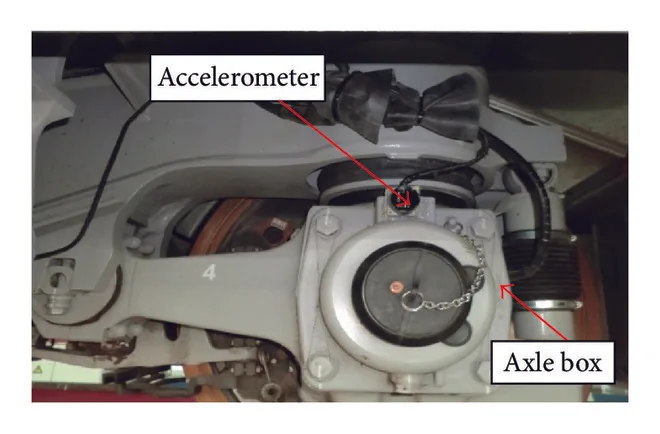
First, connect a compatible scan tool and confirm the code and freeze‑frame data. Look for a dead speedometer, ABS warning light, and harsh shifts as primary clues. Use a multimeter to check VSS resistance and voltage while the vehicle is stationary and moving.
| Item | Purpose | Typical Spec |
|---|---|---|
| OBD‑II scanner | Read DTCs and freeze‑frame | Any brand, Bluetooth or wired |
| Multimeter | Test resistance & voltage | 200 – 1,000 Ω, 0 – 5 V |
| Socket set | Remove sensor | 10 mm or 8 mm |
| Torque wrench | Re‑install bolt | 5 – 7 Nm |
If the resistance is out of range or voltage doesn't change with speed, the sensor is faulty. For detailed scanner selection, see the compatible scan tool guide. For official signal requirements, refer to the SAE J1850 standard.
Step-by-Step Repair & Verification Process
- Disconnect the battery to avoid electrical spikes.
- Locate the VSS near the transmission output shaft; remove the mounting bolt.
- Unplug the sensor connector and compare the new sensor’s orientation to the old one.
- Install the new sensor, torque the bolt to 5, 7 Nm, and reconnect the connector.
- Reconnect the battery, clear codes with the scanner, and start the engine.
Road‑test at 20 mph and verify the speedometer matches the odometer. If the check‑engine light returns, re‑scan and repeat voltage checks. For additional safety steps, consult the vehicle recovery point guide before lifting the car.
Costs, Risks, and Safety Requirements
OEM VSS prices range from $30 to $80; aftermarket units are $15 to $40. Labor typically takes 1, 2 hours at $80, $120 per hour, so total repair cost is $110, $300. Risks include incorrect torque causing sensor damage and working near moving parts; always wear gloves and eye protection.
Follow FMVSS 111 requirements for speedometer accuracy and keep the work area well‑ventilated. If you’re unsure, have a certified technician perform the repair.
FAQs About P0501
Can I drive with P0501 active?
You can drive short distances, but the speedometer and ABS may be unreliable. The transmission may shift harshly, and the vehicle could fail emissions testing. Repair as soon as possible to avoid further component wear.
How do I test a speed sensor without a scanner?
Use a multimeter to measure resistance at the sensor connector; it should be 200, 1,000 Ω. Then, with the engine running, watch voltage rise from 0 V at 0 mph to about 4 V at 60 mph. No change indicates a faulty sensor.
Will a bad speed sensor affect fuel economy?
Yes, the ECU uses speed data for fuel injection timing and transmission shift points. Erratic signals can cause richer mixtures and early upshifts, reducing mileage by 5, 10 %. Replacing the sensor restores optimal efficiency.
Do I need to replace the entire VSS assembly?
Only the sensor itself needs replacement; the mounting bracket and wiring are reusable. Inspect the connector for corrosion and replace it if damaged. Re‑using the old housing can save money, but ensure it’s securely fastened.
