
The power steering light comes on when the system detects a fault.
Low fluid level is the most frequent trigger.
A pump or sensor failure can also cause it.
Driving with the light illuminated can lead to loss of assist and rack damage.
Per SAE J1703, power steering fluid should be checked every 30,000 miles and replaced as needed.
Keeping the reservoir at the proper level prevents most warnings and keeps steering smooth.
Why Is the Power Steering Light On
Why is the power steering light on? It signals a system fault.
Low fluid is the most common cause and often triggers it.
A faulty pump or sensor can also trigger it and may need replacement.
Driving with the light on risks loss of assist and can damage the rack.
Core Causes and System Components
The power steering system includes the pump, ECU, torque sensor, and fluid reservoir.
A visual diagram helps identify each part and typical failure points.
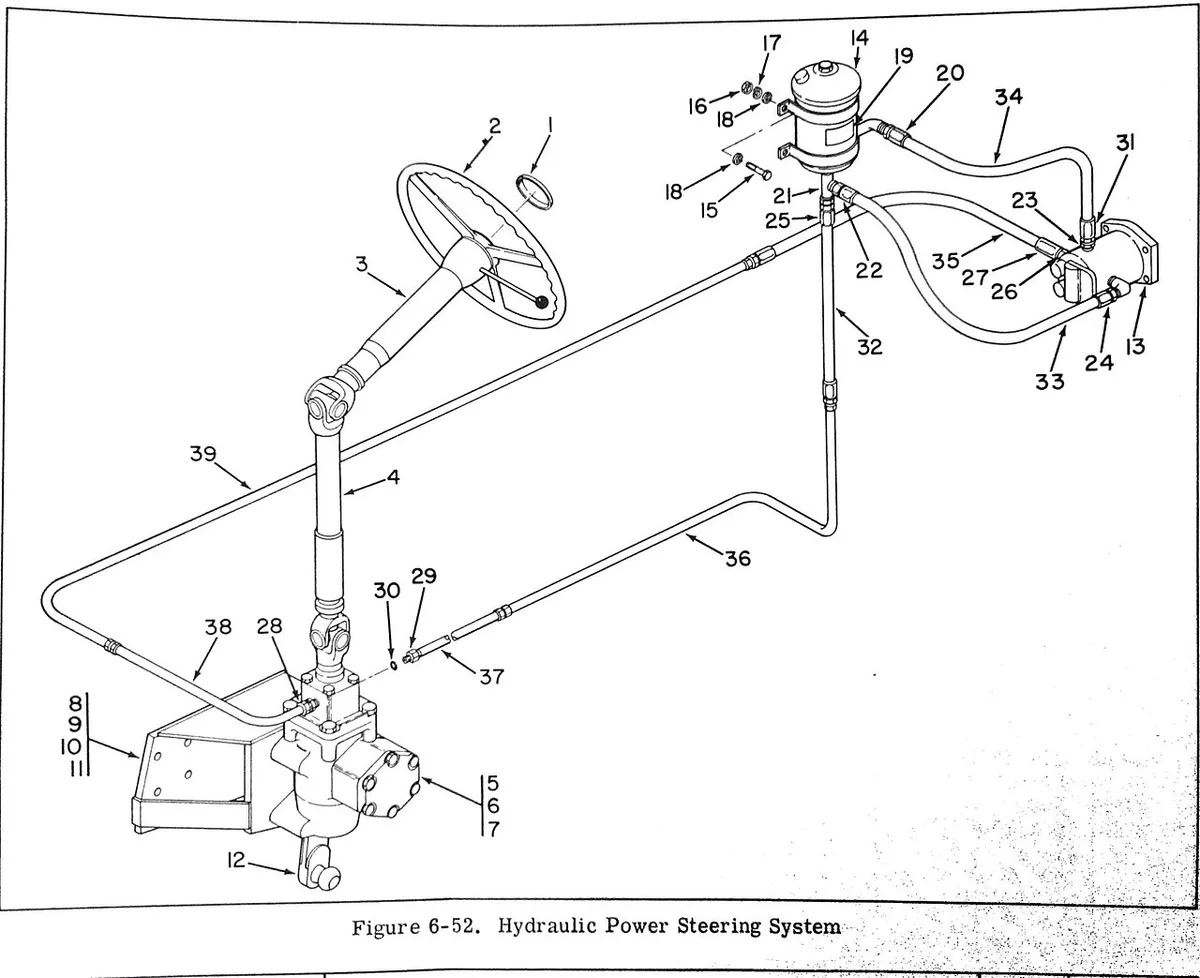
Image source: Wikimedia Commons / Tkmined (CC BY-SA)
| Component | Typical Fault | Symptom |
|---|---|---|
| Power steering pump | Belt wear, internal leak | Whine, loss of pressure |
| Torque sensor | Signal loss | Intermittent light |
| Fluid reservoir | Low level, contamination | Light on, hard steering |
| ECU | Software glitch | Random warning |
Low fluid is the most common cause and often triggers it. Checking the reservoir is the first step.
If fluid is low, top it to the recommended level; see proper fluid level for guidance.
A pump whine at idle usually means the pump is failing and may need replacement.
The ECU can flash a code; clearing it after repair restores normal operation.
A faulty pump or sensor can also trigger it and may need replacement. In some models, a software update from the dealer resolves the issue.
If the light returns after a repair, a recall may apply; check the NHTSA recall database.

Image source: Wikimedia Commons / Chantal Cardinal (CC BY-SA)
Safe Diagnosis and Fix Steps
Start by inspecting the fluid reservoir and listening for pump noise.
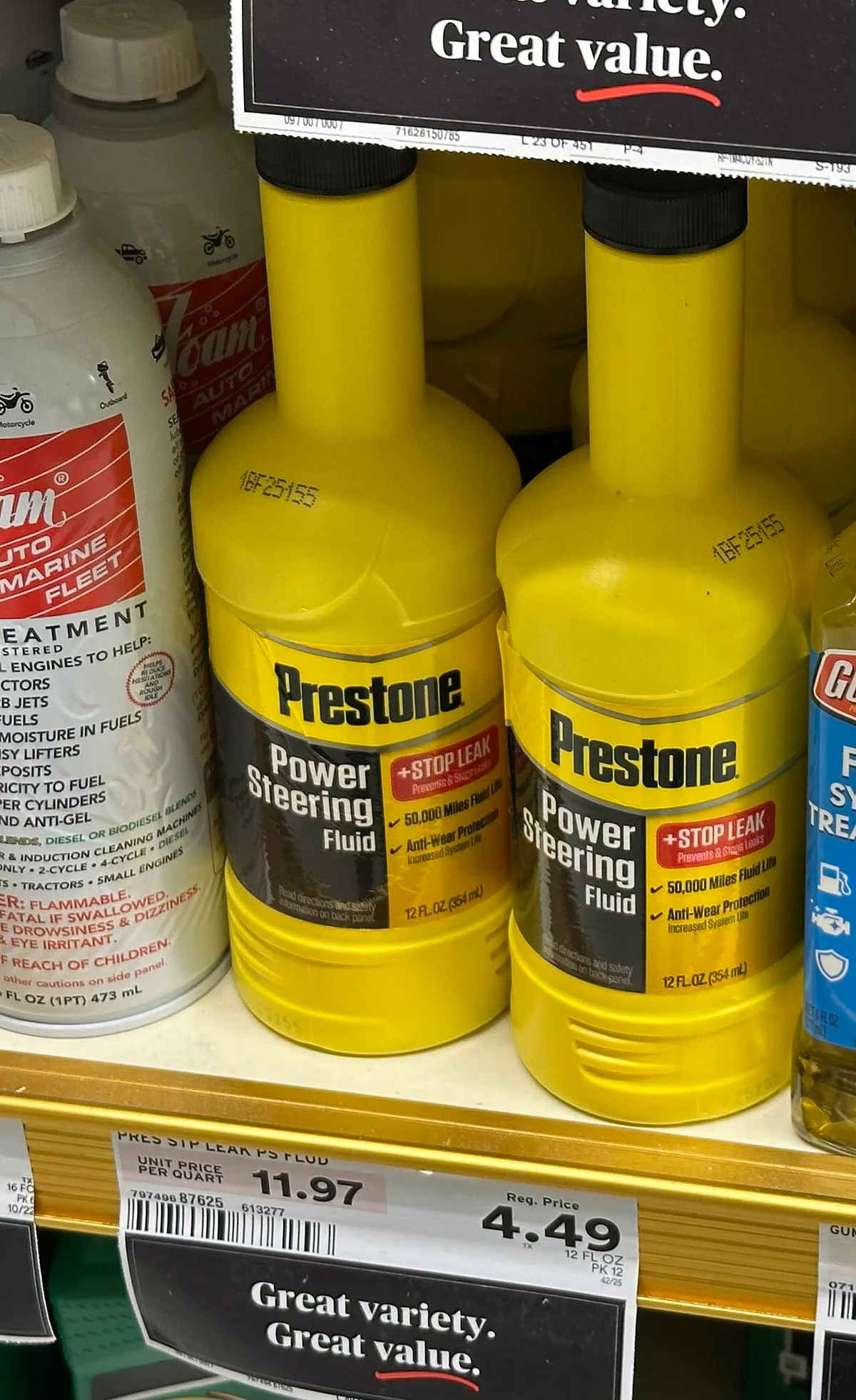
Image source: Wikimedia Commons / Jonathan Schilling (CC BY-SA)
- Check fluid level and condition.
- Listen for a whine at idle indicating pump strain.
- Scan the OBD‑II with a diagnostic tool; note any DTCs.
- If fluid is dirty, flush and replace with fresh fluid.
- After repair, clear codes and test steer at low speed.
If the warning persists, reset the ECU by disconnecting the battery for 10 seconds.
For persistent codes, consult a professional; see the diagnostic scanner guide for tool options.
Always wear gloves when handling fluid and avoid skin contact.
When to Call a Pro and Cost Overview
If you’re uncomfortable with fluid checks or the light stays on after basic steps, a professional can finish the job quickly.
Image source: Wikimedia Commons / Bruce Bisping
| Service | Typical Cost | Labor Time |
|---|---|---|
| Fluid check and top‑off | $20‑$40 | 0.5 hr |
| Fluid flush and replacement | $80‑$120 | 1 hr |
| Pump replacement | $250‑$450 | 1.5 hr |
| Sensor or ECU replacement | $150‑$300 | 1 hr |
Labor rates vary by region; expect higher costs in urban shops.
If the pump is noisy, replacing it prevents further damage; see repair cost reference for budget planning.
For fleet operators, scheduling preventive service every 30,000 miles reduces downtime.
If the recall notice applies to your model, the repair may be covered; verify with the dealer.
Frequently Asked Questions
Why does the power steering light come on intermittently?
Intermittent illumination usually means the ECU detects a momentary drop in pressure or a sensor glitch.
It can happen when the fluid level fluctuates or when the pump warms up and cools down.
Check the reservoir after the car has been parked for a while; top off if needed.
If the issue repeats, have a shop scan for stored codes and clear them.
Can I drive with the power steering light on?
You can drive short distances, but steering will be harder and the rack may wear quickly.
Avoid high speeds and sharp turns; the system may lose assist entirely.
If the light stays on, stop safely and check fluid before proceeding.
Driving for extended periods with the warning on can cause costly damage.
How often should power steering fluid be changed?
Manufacturer guidelines typically recommend a change every 30,000 to 60,000 miles.
If you notice a whine, darkening fluid, or frequent low‑level warnings, change it sooner.
Use the fluid type specified in the owner’s manual for best performance.
What are the differences between hydraulic and electric power steering warnings?
Hydraulic systems warn mainly about fluid level or pump failure.
Electric power steering (EPS) adds warnings for torque sensor, ECU, and motor faults.
EPS lights may also indicate a loss of electronic assist, which feels like manual steering.
When should I replace the power steering pump?
Replace the pump if you hear a constant whine, see fluid leaks, or the light stays on after fluid service.
A pump that loses pressure can damage the rack and cause unsafe steering.
Professional replacement is recommended; the job usually takes 1.5 to 2 hours.
