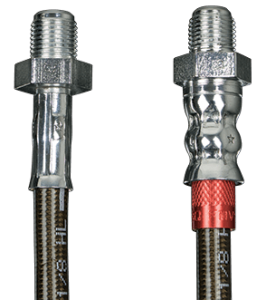
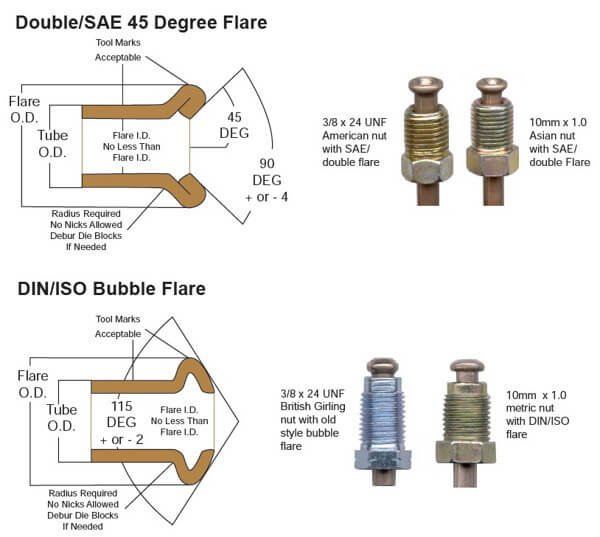
The most common brake line sizes are 3/16-inch and 1/4-inch in diameter. Vehicle make and model often determine the specific size needed. Brake line size is crucial for vehicle safety…
DIY car enthusiasts! Are brakes on your mind? Look no further. Brake lines are vital for safety. They need care. Know Your Brake Lines. Brake lines are like veins. They…
The size of the bolt used for a brake caliper depends on the specific vehicle make, model, and year. Brake caliper bolts (also known as caliper mounting bolts or slider…
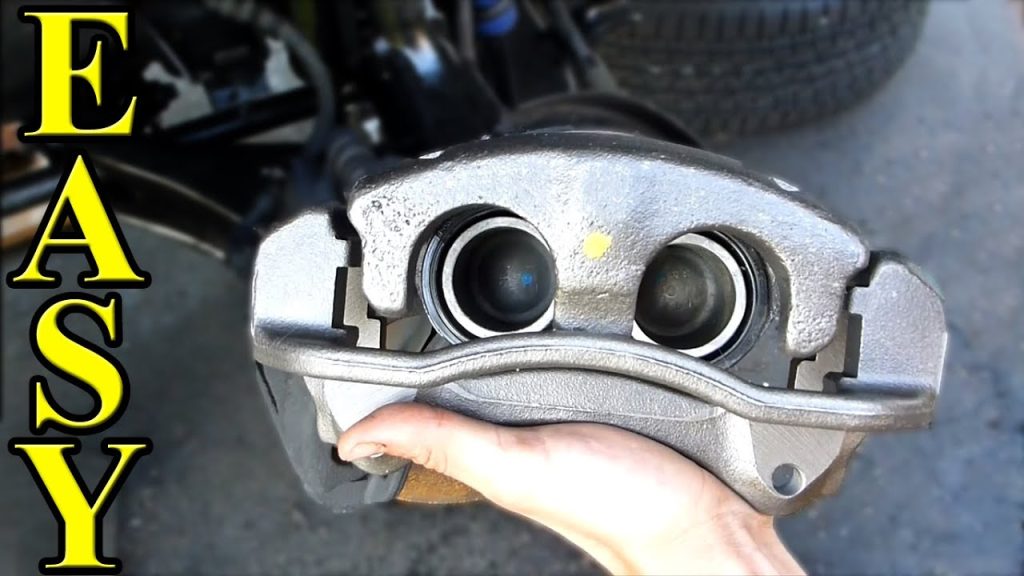
Brake calipers play a crucial role in the braking system of a vehicle, ensuring efficient stopping power. At times, it becomes necessary to remove a brake caliper for maintenance or…
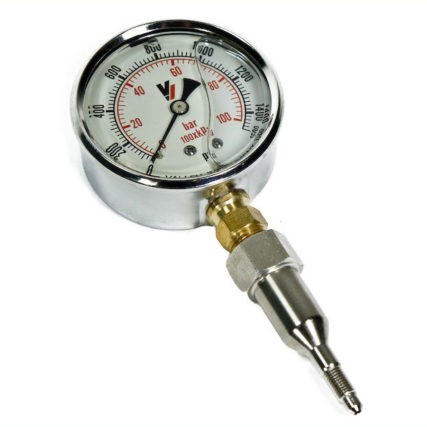
Typical brake line pressure in a car ranges between 1,000 to 1,500 psi. This pressure can escalate up to 2,000 psi during forceful braking. Ensuring the effective operation of your…
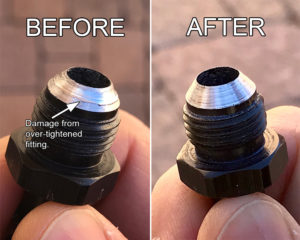
No, you should not use Teflon tape on brake lines. Teflon tape can compromise the integrity of the brake system. Ensuring your vehicle's safety on the road involves paying close…
Welcome to our detailed tutorial on how to seal brake lines effectively! If you're a car owner, knowing how to maintain your vehicle is important. It keeps your car safe.…
A better air intake system can increase airflow to the engine, resulting in improved power and fuel efficiency. Additionally, it can enhance the sound and appearance of your vehicle. Upgrading…
Overfilling your transmission with fluid can lead to overheating, leaks, and mechanical failure. If you’ve noticed symptoms like slipping gears, foamy fluid, or a burning smell, it’s crucial to address…
Transmission fluid is vital for lubricating and cooling your vehicle’s transmission system. However, too much of it can cause serious damage. Overfilling the transmission can lead to fluid foaming, leaks,…