
When your windshield washer fluid freezes, visibility drops fast. The reservoir can crack if you pour boiling water straight in. A quick fix keeps you safe on icy roads.
Research shows most drivers solve this in under ten minutes.
First, check the fluid level and note any ice buildup. If the temperature is above 32 °F, the fluid may thaw on its own. For colder mornings, a gentle heat source speeds the process.
According to the SAE J1703 standard, the fluid should flow at 0 °F after a brief warm‑up. Keep a spare bottle of washer fluid in the trunk for refills.
Fast Fix: How to Unfreeze Windshield Washer Fluid
How to unfreeze windshield washer fluid is simple with gentle heat. Aim the dryer at the reservoir, not the windshield. If ice remains, add warm water up to 100 °F.
Test the spray, then clear any clogged nozzles with a pin. Refill with fluid rated to -20°F for future use.
Decision Tree: What to Do Based on Your Situation
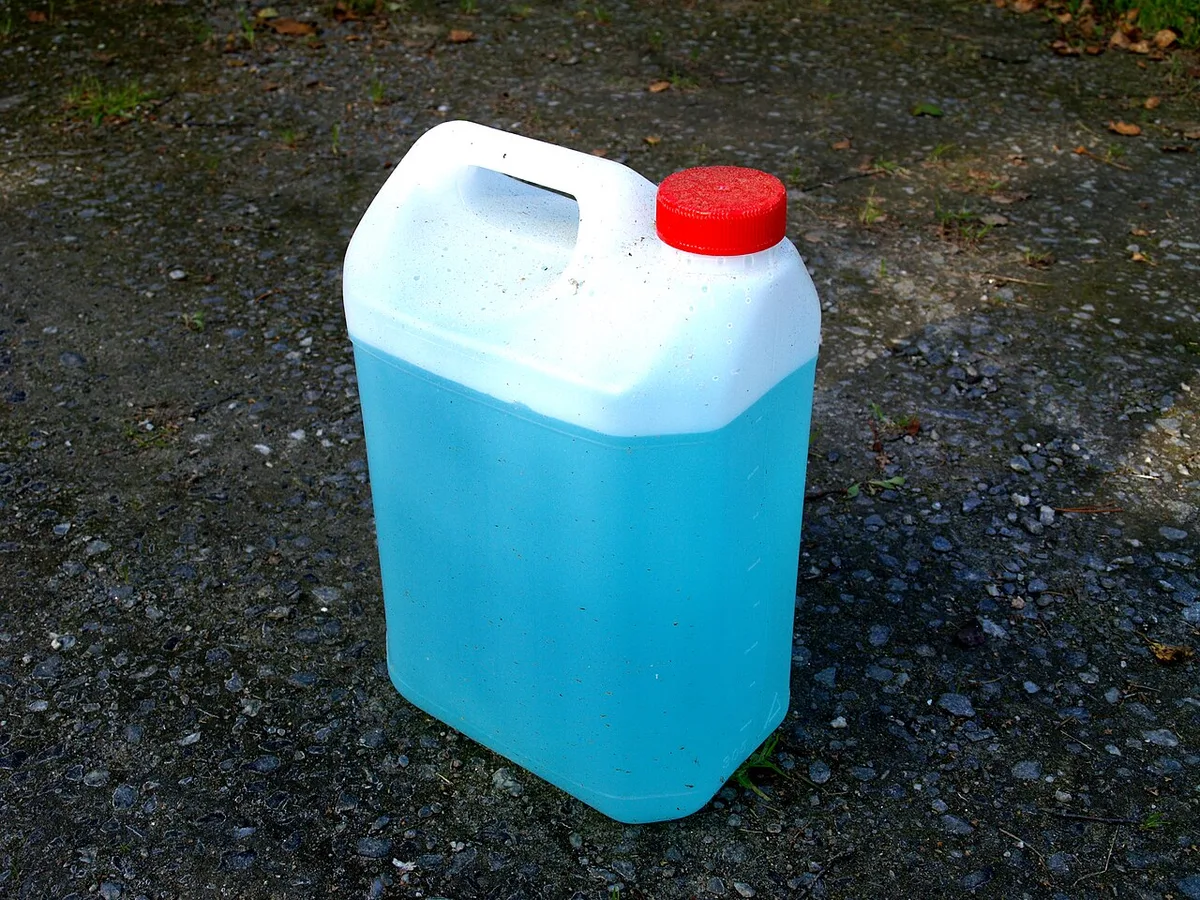
Image source: Wikimedia Commons / Santeri Viinamäki (CC BY-SA)
1. Partially frozen fluid
- Warm the reservoir with a hair dryer for 5-10 minutes, then check fluid level to ensure proper fill.
- If the fluid thaws, test the spray and clear nozzles with a pin.
- Refill with washer fluid rated to -20°F for future use.
2. Fully frozen fluid
- Place the vehicle in a garage or use a portable space heater to raise ambient temperature.
- If no garage, run the engine idle for 10 minutes with windows cracked.
- After thawing, flush the reservoir with fresh washer fluid to remove contaminants. For proper wiper sizing, see our guide on choose correct wipers.
3. No heat source available
- Mix a 50 % propylene glycol solution at home using food‑grade antifreeze.
- Add the mixture to the reservoir and let it sit overnight.
- In the morning, test the spray. If fluid still freezes, repeat the process. Follow the SAE J1703 standard for concentration.
Step-by-Step Process
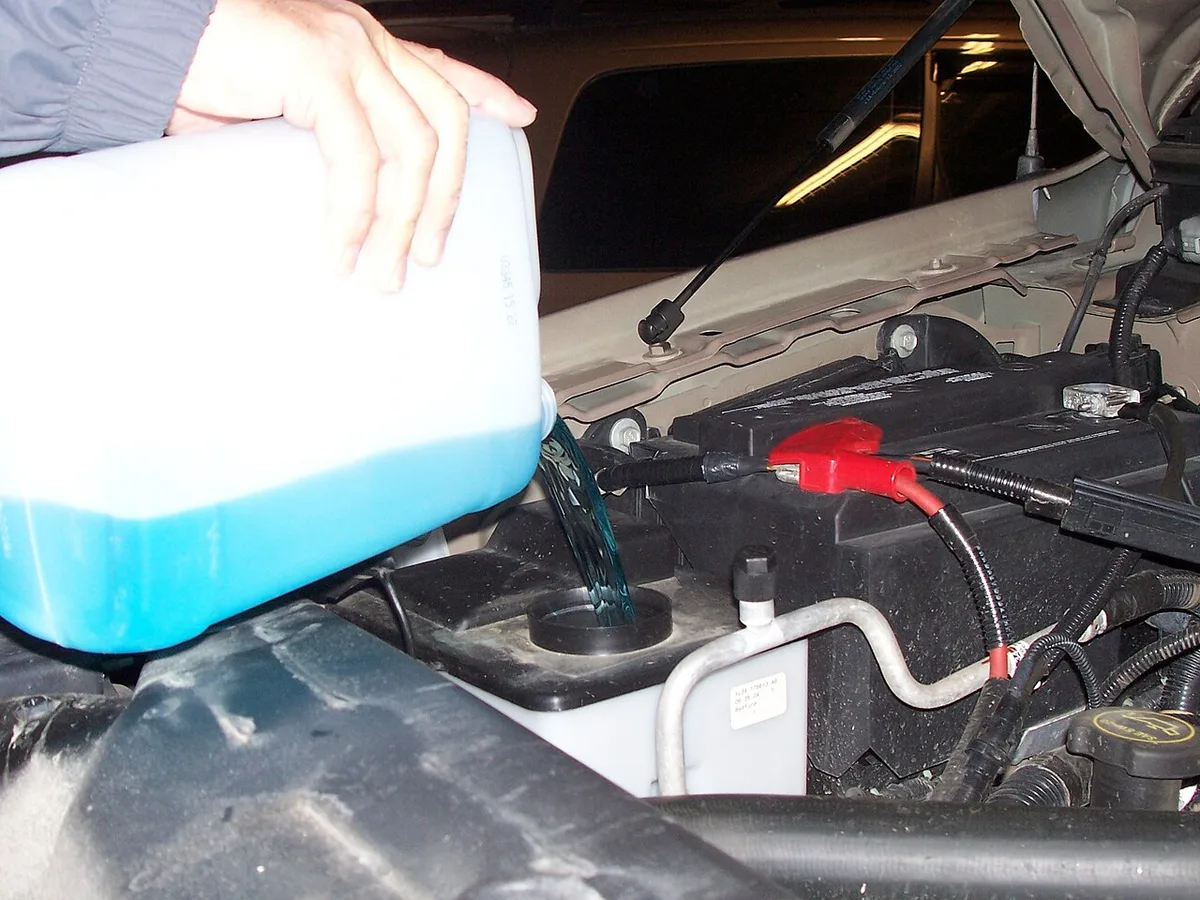
Image source: Wikimedia Commons / Hamedog at English Wikipedia (CC BY-SA)
Warm the reservoir gently before adding any liquid. This prevents sudden temperature shock to the plastic or metal housing.
| Item | Purpose | Note |
|---|---|---|
| Hair dryer or space heater | Apply gentle heat | Keep 6-12 inches away |
| Warm water (≤ 100 °F) | Thaw ice quickly | Do not exceed 120 °F |
| Propylene glycol (food‑grade) | Antifreeze agent | Mix 50 % with water |
| Clean cloth | Wipe reservoir | Avoid lint |
| Pin or toothpick | Clear nozzle | Gentle pressure |
- Warm the reservoir with a hair dryer for 5-10 minutes, aiming at the fluid level.
- If ice persists, pour warm water into the reservoir until the ice melts.
- Test the spray nozzle. Clear any blockage with a pin.
- Refill the reservoir with fresh washer fluid rated to -20°F, following the SAE J1703 standard for concentration.
- Store the vehicle in a garage or cover the reservoir for future nights.
Common Mistakes & Safety Warnings
- Do not pour boiling water into a plastic reservoir. The heat can crack the plastic.
- Using pure water instead of antifreeze leaves fluid vulnerable to freeze.
- Ignoring the reservoir cap can let ice expand and damage seals.
- Adding too much glycol reduces cleaning power and can leave residue on the windshield.
- Never use windshield washer fluid on painted surfaces. The chemicals can strip finish.
- Keep the fluid out of reach of pets and children. Propylene glycol is toxic if ingested.
- Wear gloves when handling propylene glycol. The skin can become irritated.
- Work in a ventilated area. Fumes can irritate eyes.
FAQs
How do I know if the fluid is frozen?
Check the reservoir for solid ice or a thick, slushy texture. If the wiper spray does not emerge, the fluid is likely frozen. A quick tap on the reservoir can confirm ice presence.
Can I use hot tap water instead of a hair dryer?
Yes, warm tap water (up to 100 °F) can thaw ice safely. Pour it gently into the reservoir and wait a few minutes. Avoid water hotter than 120 °F to prevent damage.
What happens if I use too much antifreeze?
Excessive glycol reduces the cleaning surfactants, leaving streaks on the glass. It can also cause residue buildup in the pump. Stick to a 50 % glycol mix as recommended by manufacturers.
How often should I replace washer fluid in winter?
Replace the fluid every 30‑45 days or after any freeze event. Fresh fluid ensures proper antifreeze concentration and cleaning performance. Store a spare bottle for quick refills.
By following the steps above, most drivers restore clear visibility within ten minutes. Keep a spare bottle of washer fluid in the trunk for quick refills. Remember to check the reservoir before each winter trip.
Regular maintenance prevents costly repairs and keeps you safe.
How to Unfreeze Windshield Washer Fluid
