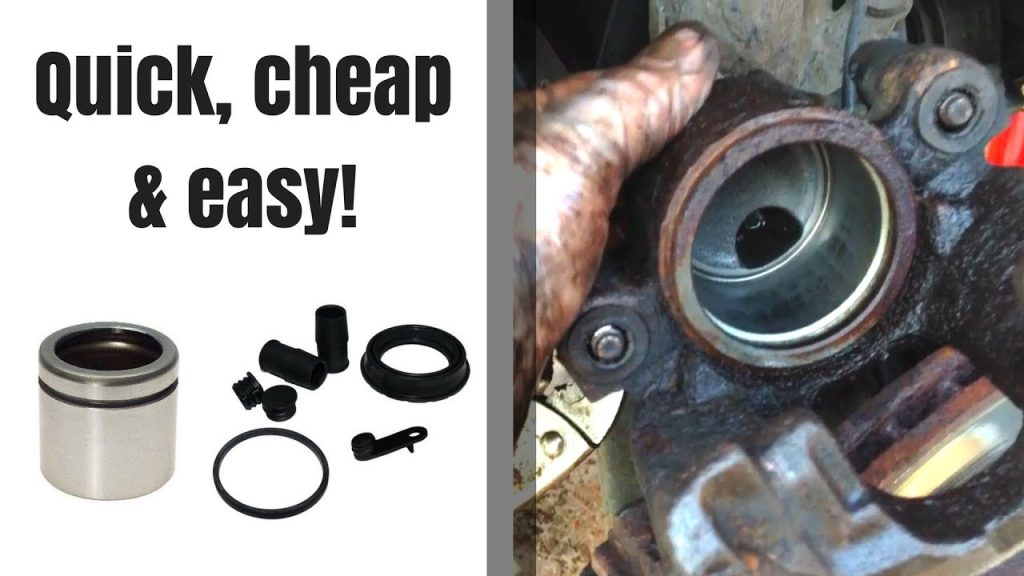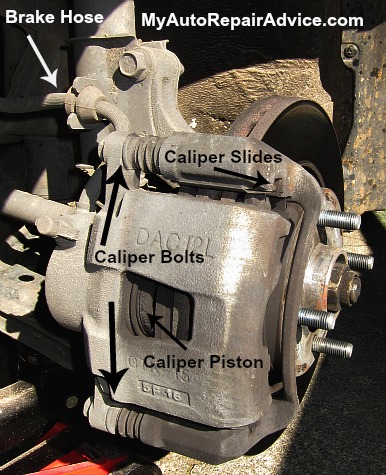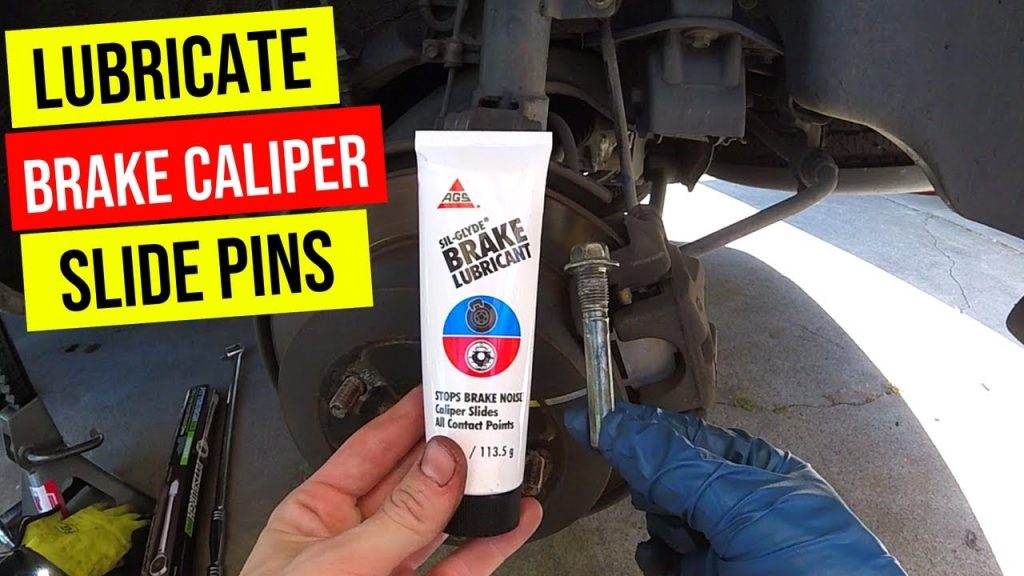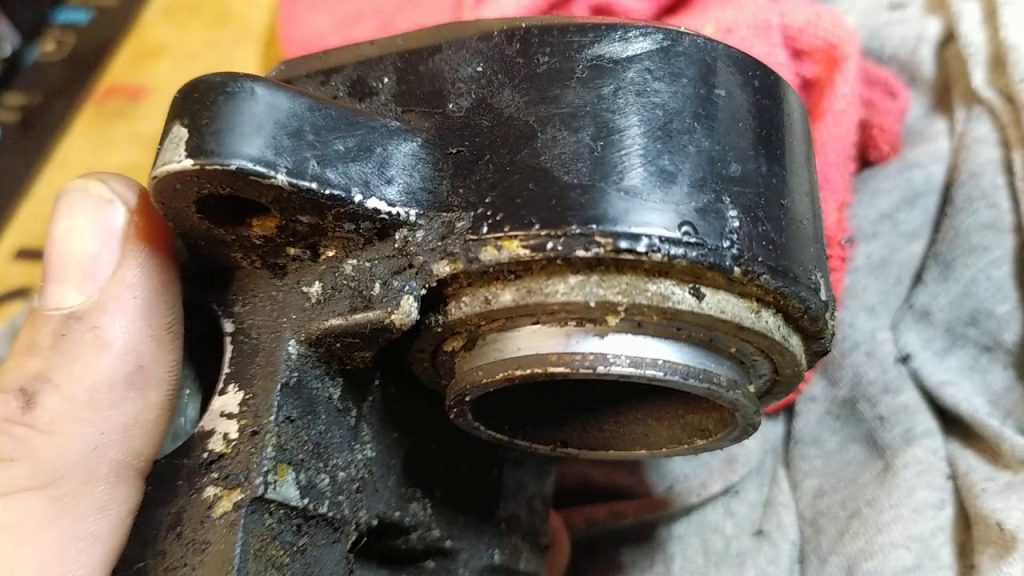
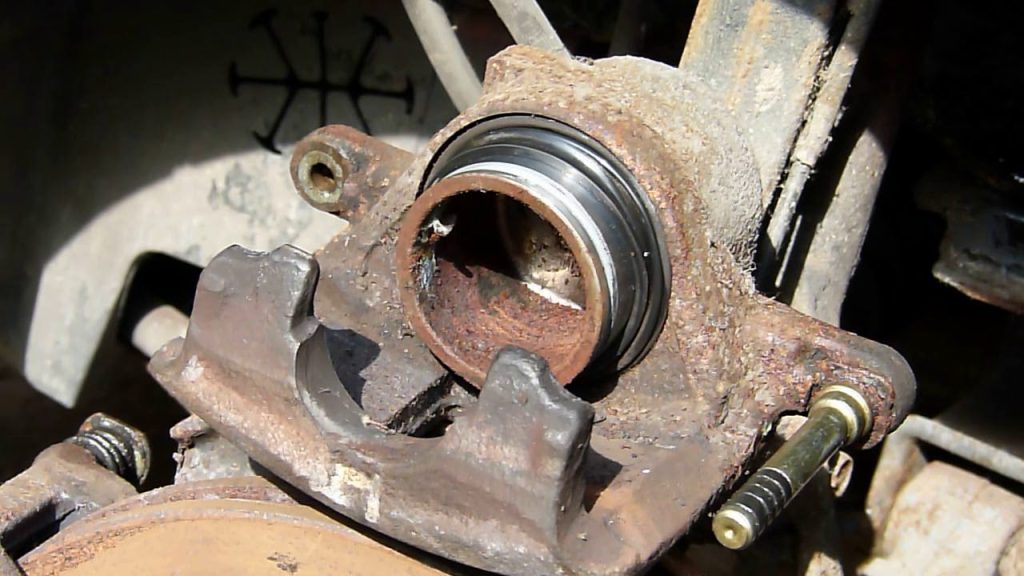
Over time, the piston can become dirty or seized, leading to poor brake performance. By following a few simple steps, you can easily lubricate the brake caliper piston and improve…
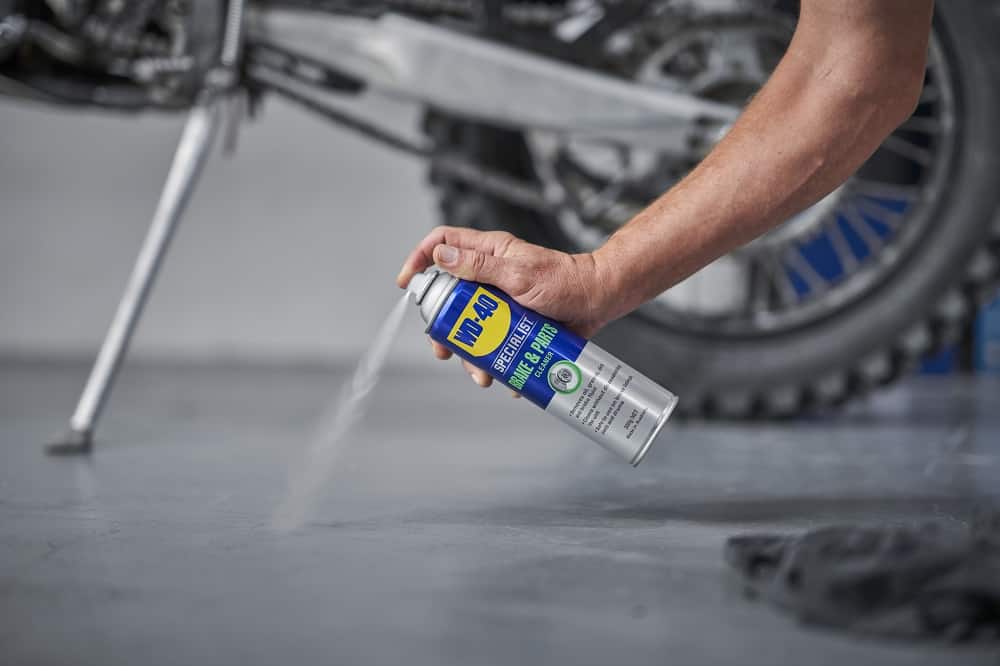
No, you should not spray WD40 on your brake calipers as it can damage the brake system. WD40 is not designed for use on brake components and can affect the…
Do you find it difficult to release a stuck brake caliper? Are you wondering how to free it up and restore your vehicle's stopping power? In this guide, we will…
A leaking brake caliper can lead to brake failure and compromise the effectiveness of your braking system. It is essential to address this issue promptly to prevent any accidents or…
Yes, a bad brake caliper can cause vibrations in a vehicle. When the brake caliper is damaged or worn out, it fails to properly grip the brake rotor, leading to…
Yes, air in brakes can cause the caliper to stick, leading to reduced braking effectiveness and potentially dangerous situations. Air in brakes can be a significant problem for vehicles, causing…
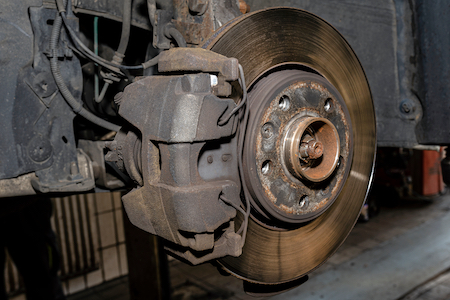
Brake calipers are an essential part of your car's braking system. Over time, they can become dirty or dry, leading to poor brake performance or sticking calipers. Lubricating brake calipers…
Maintaining the brake caliper piston is crucial for ensuring the optimal performance of your vehicle's braking system. Over time, the piston may become seized, leading to reduced braking power or…
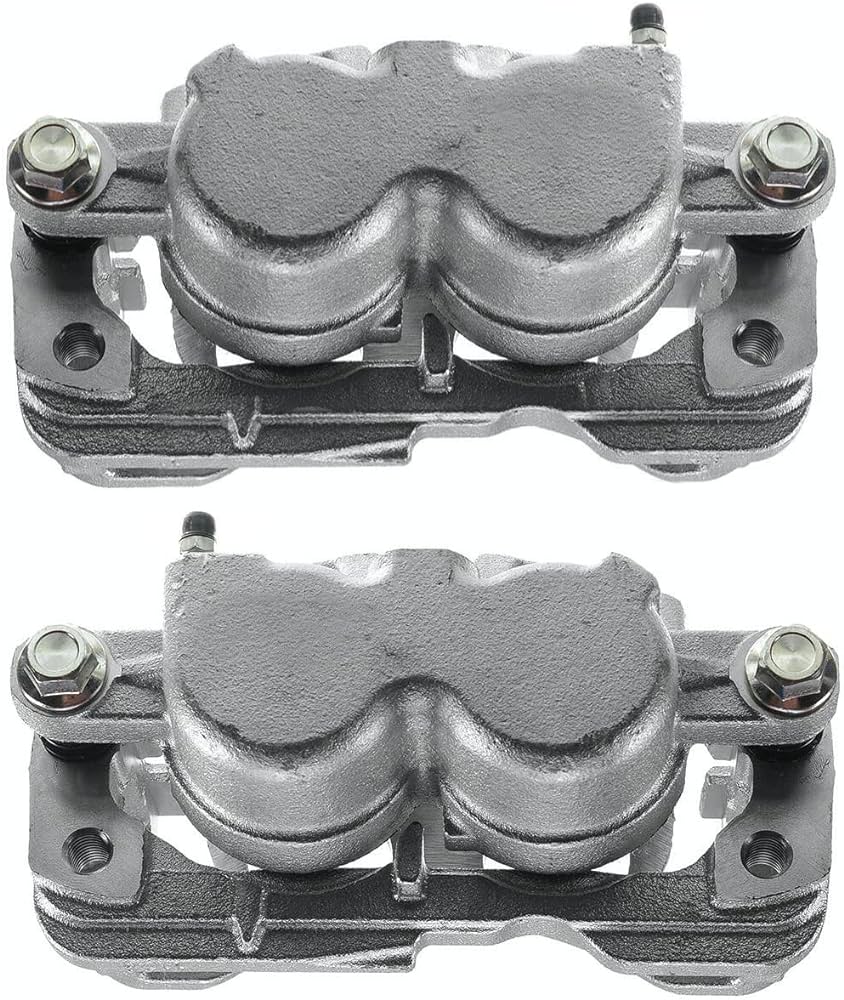
Yes, brake calipers should generally be replaced in pairs to ensure balanced braking performance. When one brake caliper is worn or damaged, replacing only one can lead to uneven braking…
Brake calipers typically last around 50,000 to 70,000 miles before they need to be replaced due to wear and tear. Brake calipers, an essential component of the braking system, can…