
When you weigh ceramic coating vs paint protection film, the decision shapes how long your paint stays glossy. Both systems protect, but they differ in application, durability, and upkeep. Ceramic coating bonds at the molecular level, while film sits on top like a clear shield.
Per SAE J400 testing, a properly cured ceramic coating achieves a 9H hardness rating. Paint protection film typically scores 7H on the same scale. As of 2026, most installers report a 5‑year lifespan for ceramic and 3‑year for film in normal conditions.
Let's start by breaking down what each option actually is.
Ceramic Coating vs Paint Protection Film
Why the choice matters
Choosing the right protection depends on how you use your vehicle and your willingness to maintain it. Ceramic coating offers a permanent‑like finish that resists chemicals and UV fade. Paint protection film provides removable impact defense and is easier to replace after damage.
What each option actually is
Ceramic coating is a liquid SiO₂ or TiO₂ mixture that cures to a glass‑like layer on paint. Paint protection film is a thin TPU or PVC sheet applied with adhesive and heat. The coating is baked on; the film is rolled on and trimmed to fit.
How They Work & Core Features
Image source: Wikimedia Commons / http://www.zircotec.com (CC BY-SA)
Ceramic coating chemistry creates a covalent bond with the clear coat, giving it a 9H hardness per SAE J400. The coating is typically 5, 10 µm thick and exhibits a water contact angle of 110, 130 degrees. Paint protection film sits on the surface, is 30, 80 µm thick, and shows a contact angle of 95, 110 degrees.
The film can be removed without damaging the underlying paint, while the coating is permanent.
| Property | Ceramic Coating | Paint Protection Film |
|---|---|---|
| Hardness | 9H (SAE J400) | 7H (SAE J400) |
| Thickness | 5–10 µm | 30–80 µm |
| Water Contact Angle | 110–130° | 95–110° |
| Self‑Healing Temp | 120–150 °F | 140–180 °F |
| Typical Lifespan | 5–10 yr | 3–7 yr |
Key features to consider include UV protection, chemical resistance, and breathability. Ceramic allows the paint to “breathe,” while film creates a more sealed barrier. Both systems require proper surface prep to avoid bubbles or peeling.
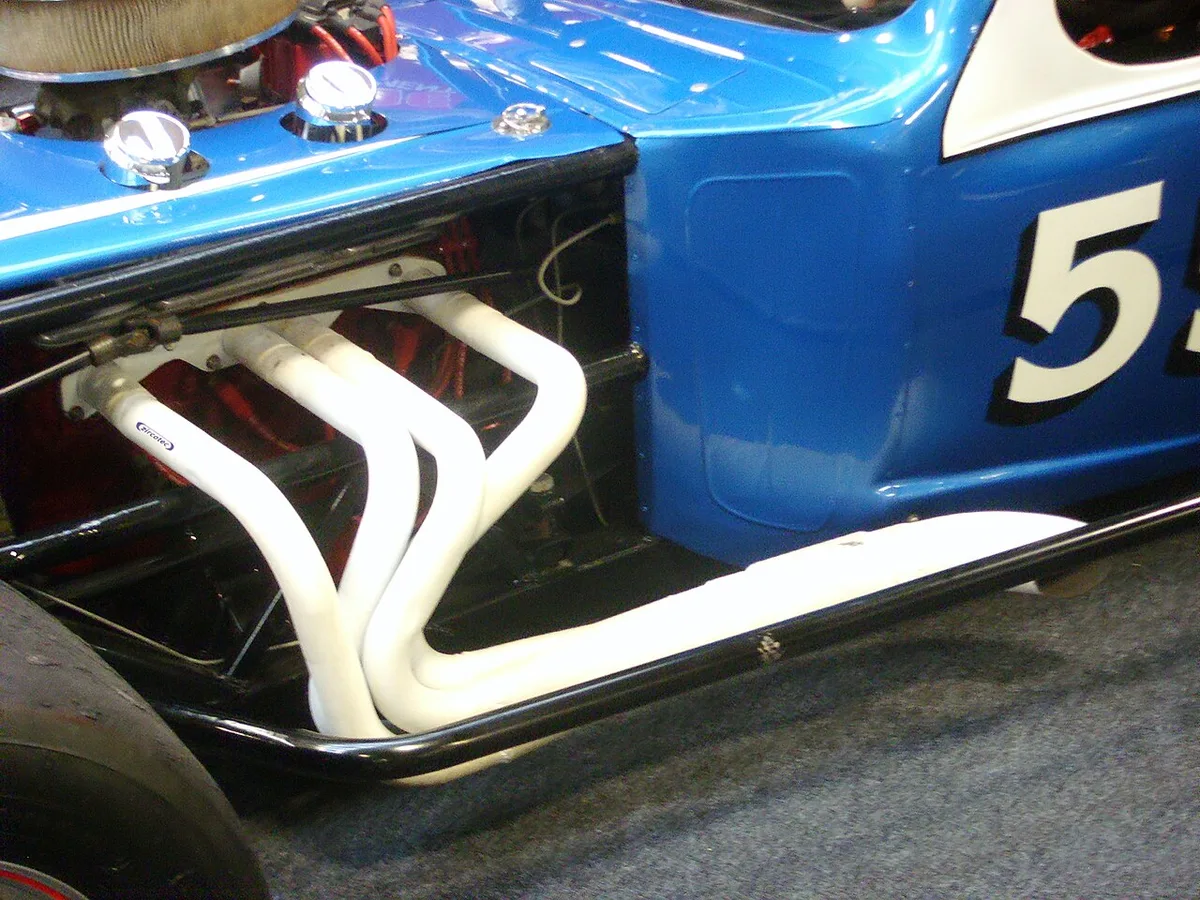
Image source: Wikimedia Commons / http://www.zircotec.com (CC BY-SA)
Head‑to‑Head Comparison
Image source: Wikimedia Commons / Lead holder (CC BY-SA)
Durability and lifespan
Ceramic coating lasts longer in sunny climates because it blocks 99% of UV rays. Paint protection film can yellow after three to five years in high UV, but it resists rock chips better. If you need to replace a damaged panel, you might also consider the recovery point location for safe removal.
Installation and maintenance
Ceramic installation takes 4, 8 hours and requires a clean, polished surface before curing. Film installation is faster, about 2, 5 hours, and can be done by DIYers with a heat gun and squeegee. After curing, you should follow the proper torque sequence when re‑installing wheels.
Regular washing with pH‑neutral soap keeps both surfaces clear of contaminants.
Best‑fit use cases
Daily commuters benefit from ceramic’s low‑maintenance shine. Off‑road enthusiasts prefer film for impact protection on fenders and hoods. If you live in a region with heavy snow, you may also want to check the correct wiper size for your vehicle.
Luxury car owners often choose ceramic for its glossy finish and resale appeal.
Costs, Benefits & Drawbacks
Image source: Wikimedia Commons / Delphi234
Upfront pricing and long‑term value
Ceramic coating ranges from $500 to $1,200 including labor, while film costs $400 to $900 for material only. Keeping the correct fluid level before each season helps protect the coating and extends its life. Over five years, ceramic can save up to 80% on washing costs compared with unprotected paint.
Pros and cons of each system
Ceramic pros: permanent bond, high gloss, chemical resistance, easy removal of contaminants. Ceramic cons: higher upfront cost, requires professional prep, not ideal for matte finishes. Film pros: removable, impact resistant, easy DIY install, protects against road debris.
Film cons: can yellow, thicker appearance, needs resealing at edges over time. Component durability matters; more expensive tie rod ends often last longer.
Frequently Asked Questions
How long does the curing process take for ceramic coating?
Ceramic coating typically cures for 24, 48 hours at room temperature or 30, 60 minutes under a UV lamp. The exact time depends on humidity and temperature.
Can paint protection film be applied over a ceramic coating?
Yes, you can layer film over ceramic, but it adds thickness and may affect the glossy look. Most installers recommend applying film first if you plan to remove it later.
Is it safe to wash a ceramic-coated car in a brush tunnel?
Brush tunnels can mar the surface. Hand washing with a soft mitt and pH‑neutral soap is the safest method.
Do I need to reapply ceramic coating after a few years?
Reapplication is recommended every 5, 7 years to maintain hardness and UV protection. A fresh coat restores the original water‑beading effect.
Will paint protection film affect my car’s resale value?
Film generally preserves resale value by protecting the paint. Proper removal leaves the original paint undamaged, so value is maintained.
