
When you compare cvt vs automatic transmission, the choice shapes fuel use and driving feel. CVTs use a steel belt and variable pulleys to deliver seamless acceleration. Conventional automatics rely on fixed gear steps and a torque converter.
Our research shows each excels in different real‑world scenarios.
EPA data from 2024 reports a CVT can improve combined MPG by up to 6% over a comparable automatic. Manufacturers such as Toyota and Honda now equip most city cars with CVTs for that efficiency gain. If you need strong towing, a traditional automatic still leads with higher capacity.
The sections ahead break down the mechanics, performance numbers, and the drivers each transmission serves best.
Cvt vs Automatic Transmission
CVTs provide infinite gear ratios for smoother, more efficient acceleration. Automatics use fixed gear steps and a torque converter. CVTs typically deliver 5‑8% better fuel economy per EPA testing.
Automatics offer higher towing capacity and proven durability under heavy loads.
How CVT and Automatic Transmissions Work
A CVT consists of a steel belt, two variable‑diameter pulleys, and a hydraulic control system. The belt moves continuously while the pulleys adjust to change the effective gear ratio. An automatic transmission uses a torque converter, planetary gear sets, and a valve body to shift between fixed gears.
Both systems are sealed and require specific fluid types for lubrication and cooling.
In a CVT, the primary pulley controls input speed while the secondary pulley sets output speed. The control module adjusts pulley pressure to match engine load and driver demand. This results in a seamless acceleration curve without shift interruptions.
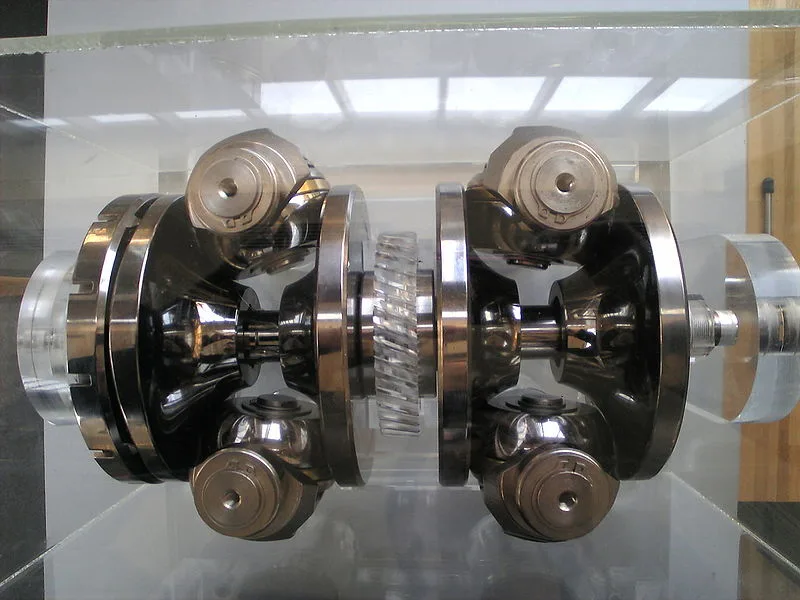
Image source: Wikimedia Commons / Yones
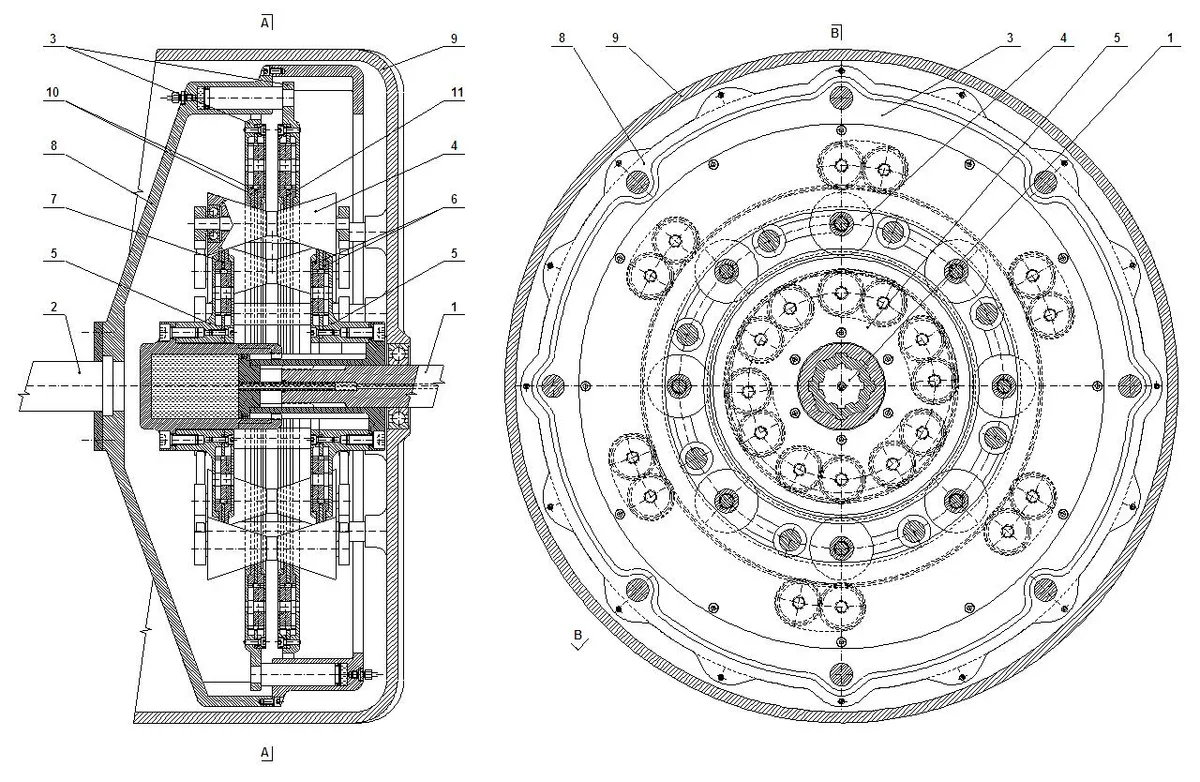
Image source: Wikimedia Commons / Jason Hampl (CC BY-SA)
The table below summarizes the key mechanical differences between the two designs. Notice the CVT’s reliance on a belt and variable pulleys versus the automatic’s torque converter and planetary sets. These design choices directly affect durability, maintenance frequency, and load capacity.
| Component | CVT | Conventional Automatic |
|---|---|---|
| Gear mechanism | Variable pulleys + belt | Planetary gears + torque converter |
| Ratios | Infinite, continuously variable | Fixed (e.g., 6‑8) |
| Fluid type | CVT‑specific (often synthetic) | ATF (automatic transmission fluid) |
| Typical service interval | 30,000 mi | 60,000 mi |
| Towing capacity (typical) | 3,500 lb | 5,000 lb |
SAE performance standards confirm the fuel‑economy gains reported by EPA. CVT fluid should be flushed every 30,000 mi to prevent belt wear. For detailed steps, refer to proper fluid maintenance.
Automatic fluid changes are typically scheduled at 60,000 mi, but severe duty may require earlier service. Following a regular schedule keeps the system within manufacturer tolerances and preserves warranty coverage.
Pros, Cons & Real‑World Performance
CVTs deliver smoother acceleration and better fuel economy in city driving.
They are lighter and can reduce vehicle weight, aiding efficiency.
CVTs may experience belt wear under high load and have lower towing limits.
Traditional automatics provide robust towing capacity and proven long‑term durability.
They handle high‑performance shifts reliably and are easier to service.
Shift shock can be noticeable, and they typically consume more fuel in stop‑and‑go traffic.
EPA fuel economy data confirms the 6% MPG improvement for CVTs in mixed driving. The table below shows typical performance metrics for each type.
| Metric | CVT | Conventional Automatic |
|---|---|---|
| Combined MPG (EPA) | 33 mpg (example) | 30 mpg (example) |
| 0‑60 mph acceleration | 7.5 s (example) | 8.2 s (example) |
| Towing capacity | 3,500 lb | 5,000 lb |
| Service interval | 30,000 mi | 60,000 mi |
When budgeting, factor in component costs such as lug nuts and other wear items. For detailed cost data, see component costs. SAE performance standards also provide reliability benchmarks for both designs.
Best For Which Drivers & Use Cases
City commuters and eco‑focused drivers benefit most from CVTs due to seamless acceleration and fuel savings. If you value quiet operation and low‑speed maneuverability, a CVT matches that need. For highway cruisers who prioritize high‑speed stability and consistent power delivery, a conventional automatic often feels more composed.
Performance enthusiasts may prefer the shift feel and quick gear changes of a traditional automatic.
Fleet operators and light‑truck users should lean toward automatics because of higher towing capacity and rugged construction. In heavy‑duty applications, the belt in a CVT can wear faster under sustained load. Regular fluid checks and belt inspections keep CVTs reliable in demanding service.
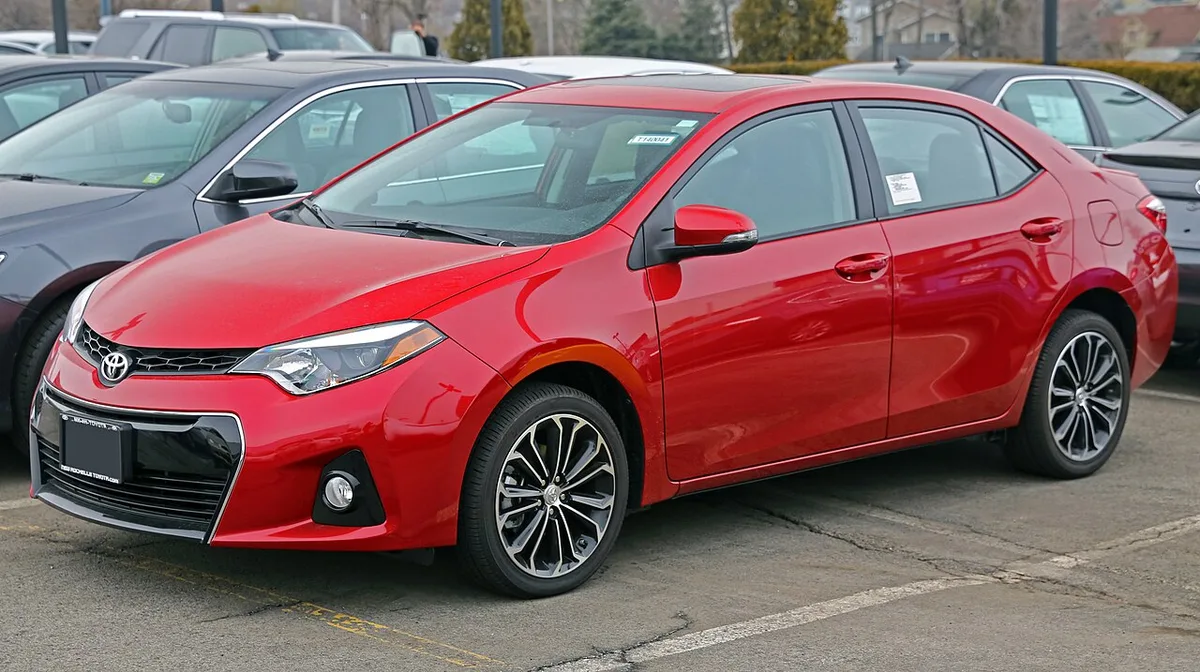
Image source: Wikimedia Commons / Mr.choppers (CC BY-SA)
If you need to top up fluid on a newer model, follow the fluid top‑up guide for safe procedure. For basic engine care before a road trip, refer to engine care basics. Drivers who appreciate keyless entry may also consider the convenience of modern keyless ignition systems when choosing a vehicle.
Frequently Asked Questions
Will a CVT last as long as a regular automatic?
Aggregate reviews indicate CVT belts typically last 150,000 mi when serviced per manufacturer schedule. Regular fluid changes and belt inspections extend lifespan. Severe towing or high‑load use can reduce durability, so choose based on your driving demands.
Can I tow a trailer with a CVT?
Most CVT‑equipped vehicles are rated for light towing up to 3,500 lb. Heavy‑duty towing exceeds the belt’s load capacity and may cause overheating. For heavier loads, a conventional automatic provides a higher rated towing capacity.
How often should I service a CVT vs. an automatic?
CVT fluid and belt service is recommended every 30,000 mi. Automatic transmission fluid changes are usually scheduled at 60,000 mi. Always follow the specific service interval in your owner’s manual to maintain warranty coverage.
What are the main differences in driving feel?
Drivers report CVTs feel smoother with no gear shifts, creating a continuous surge of power. Traditional automatics produce a slight shift sensation that some find reassuring. The choice often comes down to personal preference for quiet versus rhythmic gear changes.
