
When you sit behind the wheel of a new car, the first decision you often face is whether an inline‑4 or a V6 engine will fit your life. The choice shapes fuel cost, towing ability, and how the car feels on the road. In our research, owners of daily drivers often prefer the simplicity of an inline‑4, while those who haul or crave extra power lean toward a V6.
Let’s break down what each layout really means for you.
According to EPA fuel‑economy data, a 2.0 L inline‑4 can average 32 mpg combined, while a 3.5 L V6 typically delivers 22 mpg combined. That 10‑mpg gap adds up to roughly $600 a year in fuel savings for the average driver. If you drive less than 15,000 miles a year, the inline‑4’s efficiency often outweighs the V6’s extra muscle.
Below we’ll explore the trade‑offs in more detail.
Why Inline‑4 vs V6 Matters
Most shoppers compare these engines for three reasons: cost, efficiency, and capability. An inline‑4 costs less to buy and maintain, and it’s lighter, which helps handling. A V6 adds low‑end torque, making acceleration smoother and towing easier.
Your driving habits and budget will point you toward one layout or the other.
- Fuel savings, Inline‑4 typically uses 15‑30 % less fuel than a V6.
- Purchase price, Inline‑4 models are often $1,500‑$3,000 cheaper.
- Towing capacity, V6 can tow up to 5,000 lb more in many trucks.
- Maintenance, Fewer cylinders mean fewer spark plugs and less oil change volume.
If you spend most weekends on highways and want the lowest pump cost, the inline‑4 is the logical pick. If you regularly haul a trailer or carry heavy loads, the V6’s extra power becomes essential.
Inline‑4 Engine: Strengths, Weaknesses, and Real‑World Numbers
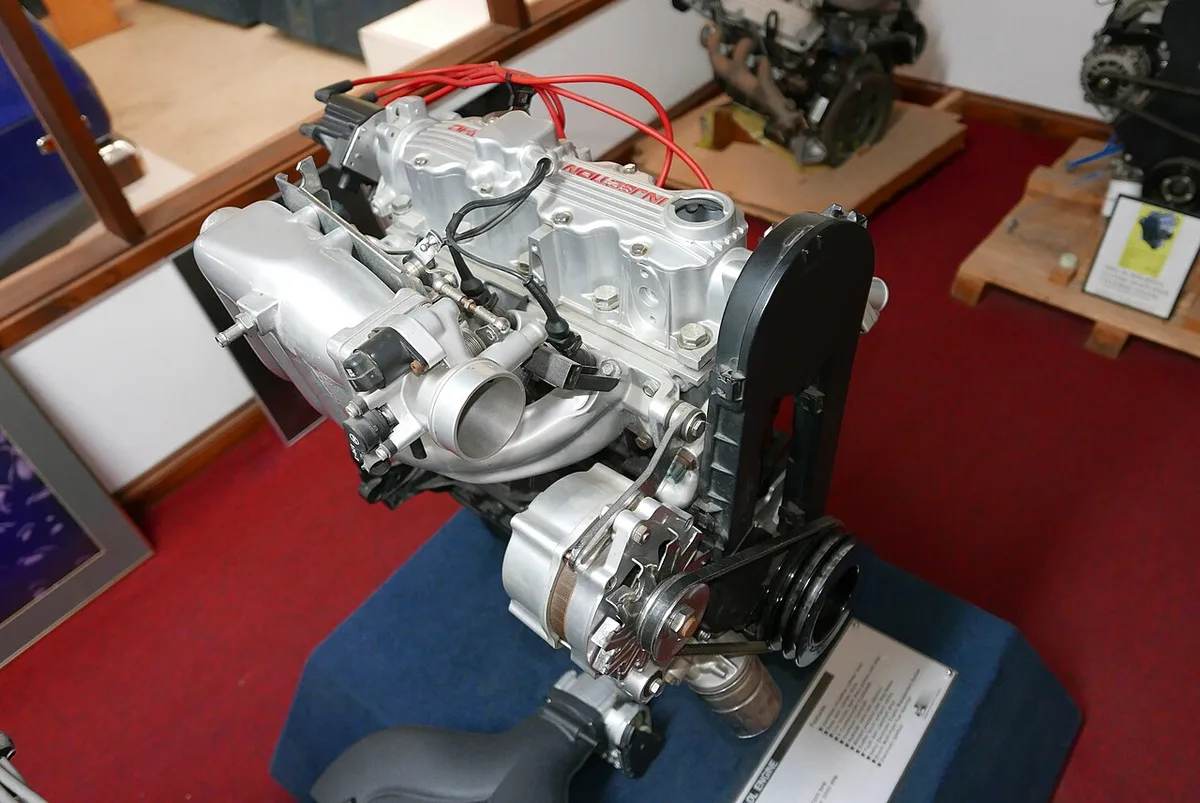
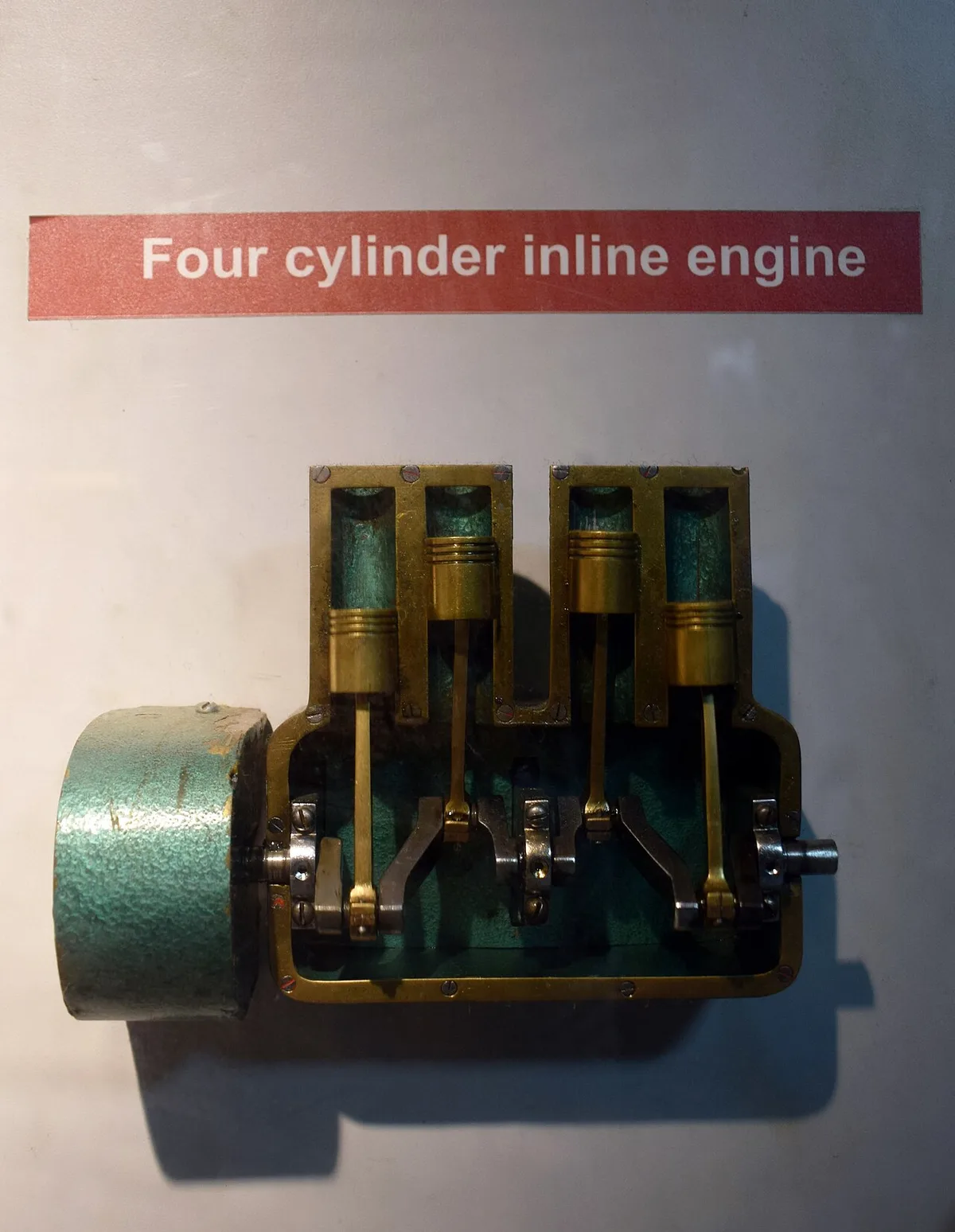
The inline‑4’s straight‑four design is compact and inexpensive to build. Modern turbocharging lets a 2.0 L unit produce 250 hp, enough for most family sedans. Its low weight improves front‑wheel‑drive agility and reduces braking distances.
However, the engine can feel strained when you ask for rapid acceleration at low rpm.
- Power range, 150‑260 hp in most 2023‑2024 models.
- Torque, 150‑180 lb‑ft, adequate for city driving.
- Reliability, Fewer moving parts mean fewer failure points.
- Noise, Inline layout can transmit more vibration to the cabin.
Owners of compact SUVs report smooth highway cruising and easy parking thanks to the lighter engine. In contrast, those who tow a boat notice the inline‑4’s limits quickly.
V6 Engine: Strengths, Weaknesses, and Real‑World Numbers
A V6’s V‑shaped arrangement balances smoothness and power in a relatively tight package. A 3.5 L V6 often delivers 300‑350 hp and 260‑280 lb‑ft of torque, giving strong acceleration and confident towing. The added weight can dull handling in sporty cars, but most buyers accept the trade for capability.
Fuel economy is lower, but modern direct injection helps close the gap.
- Power range, 250‑380 hp in current midsize trucks and SUVs.
- Torque, 250‑320 lb‑ft, useful for hauling and hill climbs.
- Durability, Robust block design handles high loads well.
- Cost, Higher purchase price and slightly higher insurance.
Drivers of full‑size pickups say the V6 feels effortless when loaded, while performance‑oriented sedan owners note the extra weight reduces cornering zest.
Head‑to‑Head Comparison & Best‑Fit Scenarios
| Feature | Inline‑4 | V6 |
|---|---|---|
| Typical Displacement | 1.5‑2.5 L | 2.5‑3.5 L |
| Avg Combined MPG (EPA) | 30‑35 | 20‑25 |
| Base Horsepower | 150‑260 hp | 250‑380 hp |
| Base Torque | 150‑180 lb‑ft | 250‑320 lb‑ft |
| Typical Price Difference | $1,500‑$3,000 less | $1,500‑$3,000 more |
| Best For | Daily commuting, fuel‑focused buyers | Towing, heavy loads, performance |
If you drive under 15,000 miles a year and park in tight city spots, the inline‑4 fits best. If you tow a trailer, carry a full crew, or enjoy brisk acceleration, the V6 is the right choice. Some midsize SUVs even offer both options, letting you pick the balance you need.
Frequently Asked Questions
How much fuel does an inline‑4 save compared to a V6?
EPA data shows an inline‑4 can save 10‑15 % more fuel on average. For a driver covering 15,000 miles a year, that translates to roughly $600 in savings.
Is a V6 always louder than an inline‑4?
Not necessarily. Modern V6 engines use balance shafts and sound‑deadening to keep cabin noise low. The inline‑4 can be noisier at high rpm because of its simpler design.
Can I upgrade an inline‑4 to a V6 later?
Swapping engines is costly and often requires chassis changes. It’s usually cheaper to buy the V6 model you want from the start.
Do V6 engines last longer than inline‑4s?
V6s have more parts, which can increase wear, but they are built for higher loads. With proper maintenance, both layouts can exceed 200,000 miles.
— Choosing between an inline‑4 and a V6 comes down to your daily mileage, load needs, and budget. If you drive mostly city miles and want the lowest fuel cost, the inline‑4 is the smarter pick. For regular towing or heavy payloads, the V6’s extra torque pays off quickly.
Keep your engine in top shape by checking the proper fluid level before each season. For added cargo security, explore tonneau cover options. When tightening lug nuts, follow impact wrench tips.
If you need to compare security features, see the ignition comparison guide. For the latest emissions requirements, refer to EPA fuel‑economy standards.
