
Can bad wheel alignment cause pulling? Drivers often ask can bad wheel alignment cause pulling, and the answer is yes when camber or toe are off. The steering wheel may tug left or right, and the car won’t track straight.
Research shows misalignment can also increase tire wear and fuel use.
SAE J670 defines alignment tolerance at ±0.1° for camber and toe. This specification is the benchmark for most passenger cars as of 2026. Knowing the limit helps you judge whether a pull is alignment‑related.
Below is a quick decision tree to pinpoint the cause.
Can Bad Wheel Alignment Cause Pulling
Yes, misaligned camber or toe makes the vehicle pull. Pull direction matches the side with excessive camber. SAE J670 limits camber deviation to ±0.1°.
Correcting alignment restores straight‑line steering.
Decision Tree: Diagnose Pull
Inspect tire wear; uneven inner or outer tread signals camber or toe misalignment. Turn the steering wheel left and right while parked to check if it stays centered. If the wheel drifts, note the direction of pull for the next step.
- Measure camber, caster, and toe with an alignment machine.
- Compare readings to OEM specs; SAE J670 standard tolerance is ±0.1°.
- Adjust camber and toe until within tolerance, then verify caster.
- Re‑check alignment after adjustments and perform a road test.
- If pull persists, inspect tie‑rod ends for wear and ensure proper tie‑rod torque.
Checking proper tie‑rod torque helps avoid false pull caused by loose components. Verify correct lug nut torque before concluding alignment is the issue. Keep hand position on the wheel consistent during testing.
Use impact wrench technique to tighten bolts safely. Review ignition system type if electronic steering assist is involved.
Image source: Wikimedia Commons / Noah Wulf (CC BY-SA)
Step‑by‑Step Alignment Process
Gather tools: an alignment machine, camber gauge, toe gauge, torque wrench, and safety glasses.
| Item | Purpose |
|---|---|
| Alignment machine | Measures camber, caster, toe |
| Camber gauge | Verifies vertical tire angle |
| Toe gauge | Checks front‑rear tire alignment |
| Torque wrench | Applies proper bolt torque |
| Safety glasses | Protects eyes during adjustment |
Follow the manufacturer’s service manual for your vehicle model. Adjust camber first, then toe, and finally verify caster. After each adjustment, re‑measure to confirm values stay within ±0.1°.
Perform a final road test at highway speed to confirm straight tracking. If pull remains, consult a professional technician.
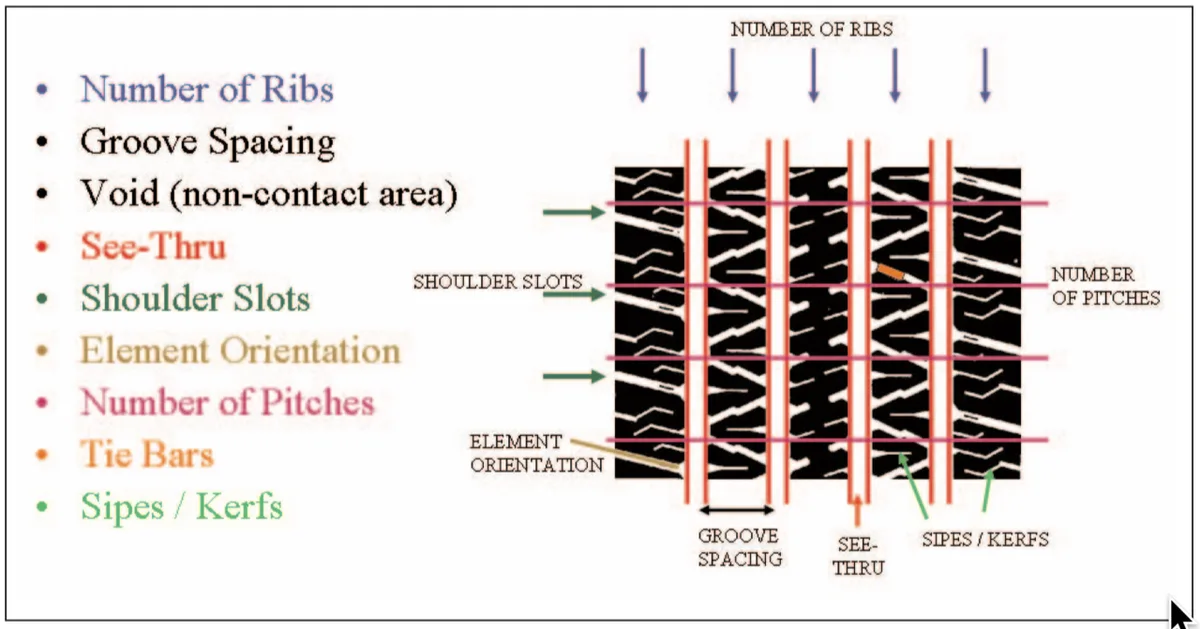
Image source: Wikimedia Commons / Employee of the U.S. Department of Transportation
Costs, Benefits & When to Call a Pro
Alignment service typically costs $50‑$150 at a shop. DIY alignment saves labor but requires a machine and precise tools. Benefits include up to 20 % longer tire life and a 2‑3 % fuel economy gain.
- DIY: buy an alignment machine, follow OEM specs, and keep records.
- Pro: warranty coverage, ASE‑certified technician, and faster turnaround.
Call a professional if you lack equipment, notice uneven tire wear beyond alignment, or if the steering feels loose.
Frequently Asked Questions & Decision Guide
Does a bad alignment always cause pulling?
Yes, when camber or toe exceeds ±0.1°, the car will drift toward the misaligned side. Minor wear may not cause noticeable pull.
Can tire pressure affect pulling?
Under‑inflated tires can create a pull sensation, but the steering will feel heavy, not just drift. Check pressure first.
Is wheel balancing a solution for pulling?
Balancing fixes vibration, not drift. If the car pulls after balancing, alignment is likely the cause.
When should I replace tie‑rod ends instead of aligning?
Replace tie‑rod ends if they show cracks, excessive play, or if alignment adjustments don’t stop the pull.
Decision guide: If tire wear is uneven and steering is off‑center, align first. If wear is even but steering drifts, inspect suspension components. If alignment is within spec and components are sound, consider steering assist system diagnostics.
