
Checking tire pressure regularly prevents blowouts, improves fuel economy, and extends tire life. Most drivers overlook the simple step that can save money and keep them safe. Manufacturer specifications indicate a typical sedan should run 32, 35 PSI.
Ignoring this detail can lead to uneven wear, reduced handling, and higher repair bills.
How to Check Tire Pressure
Check when tires are cold. Use a calibrated gauge. Compare to door jamb PSI.
Inflate if low. Recheck after adjustment.
Problem / Pain Point
Incorrect pressure is a leading cause of tire failure and wasted fuel. Underinflated tires can lose 1, 2 PSI per month, and each PSI underinflation drops fuel efficiency by about 0.3 %. Overinflation reduces traction and can cause a harsh ride.
Many drivers rely on the car’s TPMS alert, but the warning often appears after pressure has already dropped enough to affect performance. Common mistakes include checking pressure after driving, using an uncalibrated gauge, or ignoring the temperature effect. For a deeper look at why this matters, see the safety data from NHTSA TPMS guidelines.
Core Explanation / How It Works
PSI stands for pounds per square inch, the standard unit for tire pressure. The recommended cold‑tire pressure is printed on the driver’s door jamb sticker and in the owner’s manual. Cold means the tire hasn’t been driven more than one mile or has been parked for at least three hours.
Temperature changes alter pressure: a 10 °F drop can lower PSI by roughly one unit. A calibrated gauge reads pressure accurately within ±1 PSI, while analog gauges may be off by ±2 PSI. Digital gauges often include temperature compensation, helping you get a true reading.
The built‑in TPMS monitors pressure continuously but may not alert until the low‑pressure threshold is reached.
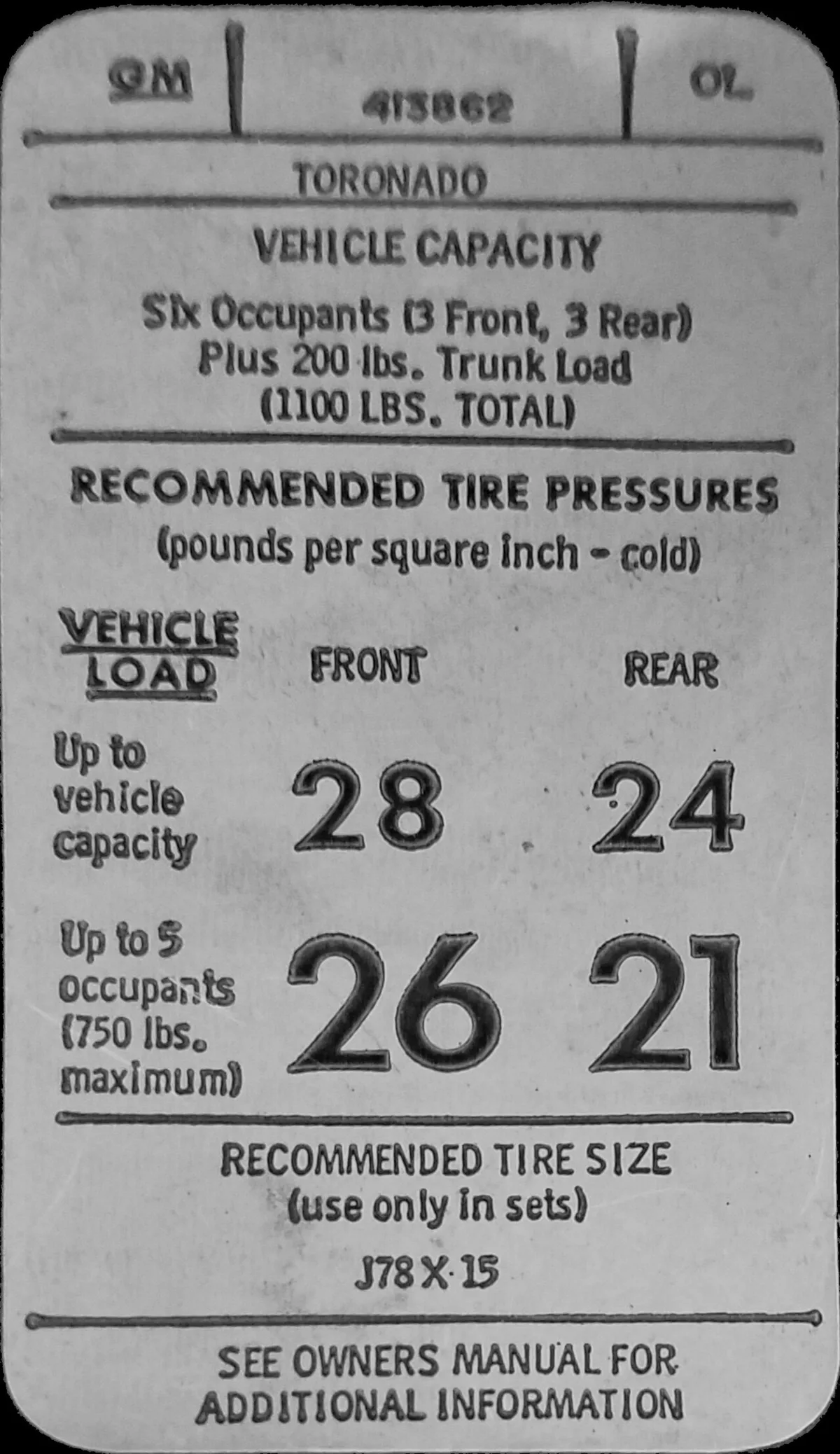
Understanding these basics lets you interpret readings correctly. If you see a reading that’s off, compare it to the spec and adjust accordingly. Remember that a “max” rating on the tire sidewall is not a target; it’s the upper limit for safety.
Using the correct pressure keeps handling precise and fuel costs low. For detailed specifications, refer to the vehicle’s service manual.
Step-by-Step Process / How to Guide
- Locate the recommended PSI on the door jamb sticker.
- Ensure tires are cold before measuring.
- Remove the valve cap and press a calibrated gauge onto the stem.
- Read the pressure and compare it to the spec.
- If low, attach an inflator and add air until the correct PSI appears.
- Re‑check the pressure after each adjustment.
- Replace the valve cap and record the reading in a maintenance log.
Repeat this process monthly or before long trips. If you’re unsure about gauge accuracy, have it checked at a service center. For budgeting for tire service, see the cost guide on lug nuts.
When tightening lug nuts after a pressure change, use proper technique for safety. Adding transmission fluid or changing the filter is a separate maintenance task, but keeping tires properly inflated reduces strain on the drivetrain.
Frequently Asked Questions
How often should you check tire pressure and when is a “cold” check required?
Check tire pressure at least once a month and before any long journey. A cold check means the tire has not been driven more than one mile or has been parked for three hours, ensuring temperature does not affect the reading.
Digital vs analog gauge: which offers the best accuracy and ease of use?
Digital gauges typically read within ±1 PSI and often include features like temperature compensation, making them more accurate and easier to read. Analog gauges can be less precise and may be harder to interpret in low light.
Can you rely on the car’s built‑in TPMS alerts alone, or do you still need a manual gauge?
TPMS alerts warn of low pressure but may appear after performance is already affected. A manual gauge gives you the exact reading so you can adjust before the warning lights up, keeping you in control.
What should you do if the gauge reads higher than the door jamb specification?
If the reading is higher, let the tires sit for a few minutes to equalize, then re‑check. If still high, gently release air using the valve until you reach the recommended PSI. Avoid over‑deflating, which can damage the tire.
