
When you compare disc brakes vs drum brakes, the choice matters. The right system depends on your driving style and vehicle needs. In our research, most owners notice a big difference in heat handling and maintenance.
Let’s break down what each type does and why one may suit you better.
FMVSS 105 tests show disc brakes stop a 3,500‑lb car in 150 ft. Drum brakes on the same test require 180 ft to stop. That gap widens with repeated hard stops, especially on steep grades.
Here’s the quick answer you’re looking for.
Disc Brakes vs Drum Brakes
Disc brakes use a caliper to squeeze pads against a rotating rotor. Drum brakes press shoes against a rotating drum inside a housing. Disc brakes dissipate heat better, making them ideal for performance and mountain driving.
Drum brakes cost less and work well on rear axles of heavy trucks.
Problem / Pain Point
Most drivers wonder which brake type will keep them safe and save money. The confusion comes from overlapping benefits that sound similar at first glance. Without clear criteria, you might pick the cheaper option and face brake fade on a long downhill run.
Or you might overpay for disc brakes on a vehicle that never sees hard stops.
Heat fade is the hidden enemy of drum brakes; repeated hard stops raise temperature above 300 °C and stopping distances increase. Disc brakes stay effective up to 500 °C, so they keep you safe on steep descents. If you plan to do your own brake work, tightening lug nuts to spec is essential for disc caliper bolts.
Getting the torque right prevents uneven pad wear and noisy brakes.
Upfront cost tells part of the story; drum brake assemblies typically run $80, while disc assemblies are about $150. That $70 gap adds up on fleet purchases, where you might buy dozens of sets each year. However, disc brakes require less frequent adjustment and replacement, so long‑term labor savings can offset the higher price.
For budget‑focused owners, the initial saving of drum brakes is a strong draw, especially for rear axles that see less heat.
The real pain point is matching the brake type to the driving environment. If you drive in wet, mountainous, or high‑performance conditions, disc brakes reduce fade and improve pedal feel. If you haul heavy loads on flat roads and need the lowest purchase price, drum brakes still make sense.
Next, we’ll explain exactly how each system works so you can see why these differences matter.
Core Explanation & How It Works
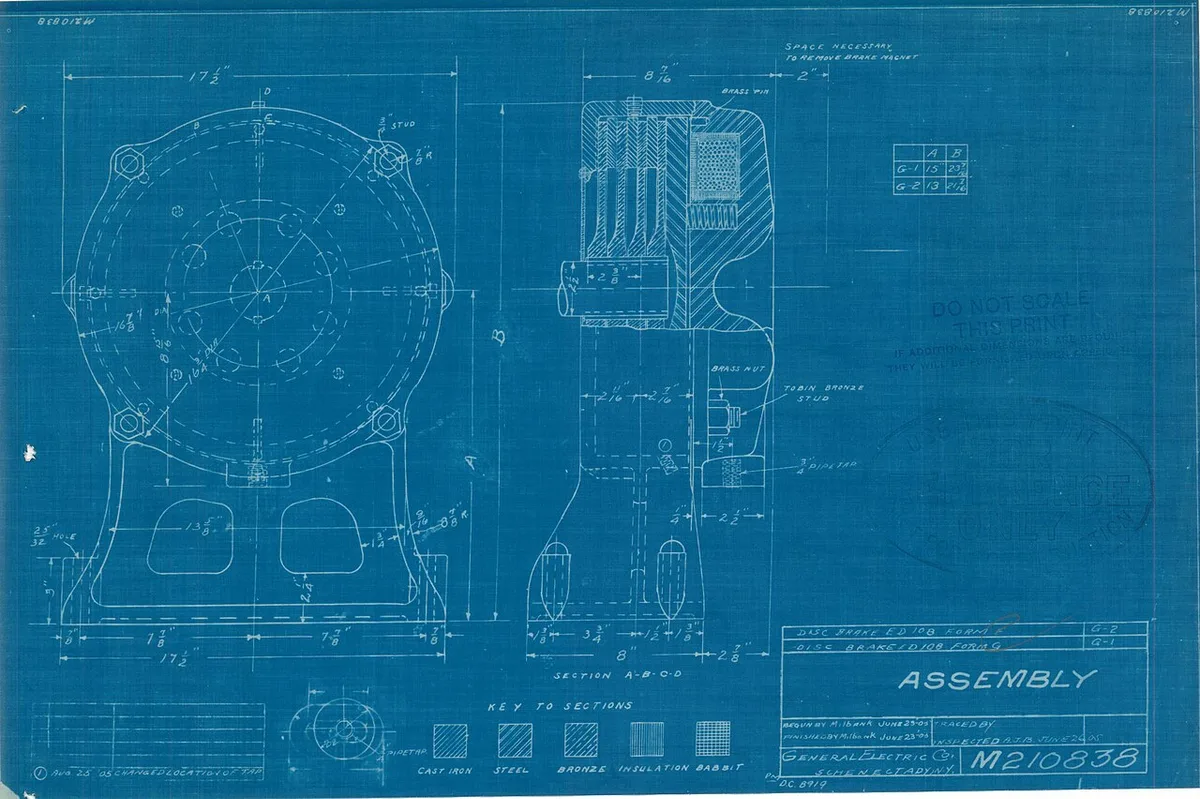
Image source: Wikimedia Commons / Unknown authorUnknown author or not provided
Image source: Wikimedia Commons / Unknown authorUnknown author or not provided
Disc brakes use a hydraulic caliper that clamps pads onto a rotating rotor. The friction surface is flat, so the rotor stays clean and resists rust even in wet weather. Ventilated rotors pull heat away quickly, keeping stopping distances consistent during hard use.
That design also gives a firm, predictable pedal feel.
Drum brakes use a rotating drum and fixed shoes that press against its inner wall. A self‑adjuster keeps the shoes tight as they wear, which is handy for infrequent maintenance. But the drum traps heat and moisture, so rust can build up and cause squeal in damp climates.
When hot, the friction fades, lengthening stops on long descents.
Heat handling is the primary performance difference between the two. SAE J902 confirms discs work up to 500 °C; drums fade above 300 °C. That makes discs ideal for mountain driving, track use, or repeated hard stops.
For gentle city driving, drums may feel adequate, but fade risk remains.
Disc pads usually last 30,000 mi; drum shoes can reach 60,000 mi. Disc pad replacement is straightforward: remove the caliper, swap pads, and torque bolts to spec. If you work under the car, building wooden ramps for under‑car work gives a safe platform.
Drum shoes need adjuster reset and often drum removal, making the job messier.
Side-by-Side Comparison & Best-For Scenarios
| Feature | Disc Brakes | Drum Brakes |
|---|---|---|
| Stopping distance (FMVSS 105) | ~150 ft | ~180 ft |
| Heat tolerance | Up to 500 °C | Up to 300 °C |
| Maintenance interval | ~30,000 mi | ~60,000 mi |
| Typical assembly cost | ≈$150 | ≈$80 |
| Best use | Performance, mountain, wet climates | Heavy‑duty rear axle, budget fleets |
Disc brakes excel when you need consistent stopping power in heat or moisture. They also provide better pedal feel and easier DIY replacement. Drum brakes shine when upfront cost matters most and the brake sees moderate heat.
For most daily drivers on paved roads, disc brakes are the safer, more reliable choice. If you run a fleet or a work truck, the lower purchase price of drums can add up quickly. Budget for lug nuts and hardware often factors into the overall brake upgrade decision.
Decision Guide & Final Verdict
If you drive aggressively, on hills, or in wet weather, choose disc brakes for heat resistance and reliable stops. If you need the lowest initial cost for a rear axle on a heavy‑duty truck, drum brakes are the economical option. For a mix of conditions, consider upgrading the front axle to disc while keeping drums in the rear for cost balance.
Regular maintenance keeps both systems safe; schedule inspections every 12 months or per regular maintenance schedule.
When you need to replace components, disc pads are quick swaps, while drum shoes require more steps and tools. If you’re a DIYer, disc brakes are usually easier to service. If you rarely touch your brakes, drum brakes’ self‑adjusting feature can be a convenience.
Ultimately, match the brake type to your driving environment and budget, and you’ll get reliable stops without surprises.
If you drive in wet climates, consider weather‑proof window deflectors for added protection.
