
When you compare a coil spring vs air spring, the choice hinges on load, adjustability, and budget. Coil springs have been the workhorse of trucks for decades, while air springs add ride height control. Knowing the trade‑offs helps you pick the right system for your vehicle.
SAE J1204 specifies a minimum coil spring load capacity of 2,500 kg for Class 8 trucks. Air springs can handle up to 6,000 kg when paired with proper compressors. Choose the system that matches your payload and road conditions.
Coil Spring vs Air Spring
Coil spring vs air spring: steel coils use elasticity, air springs use pressure. Coil springs handle up to 2,500 kg per SAE J1204. Air springs adjust ride height automatically under varying loads.
Coil springs are cheaper, air springs offer smoother, level rides. Choose based on load, budget, and ride comfort needs.
How They Work: Coil Spring Mechanics vs Air Spring Pneumatics
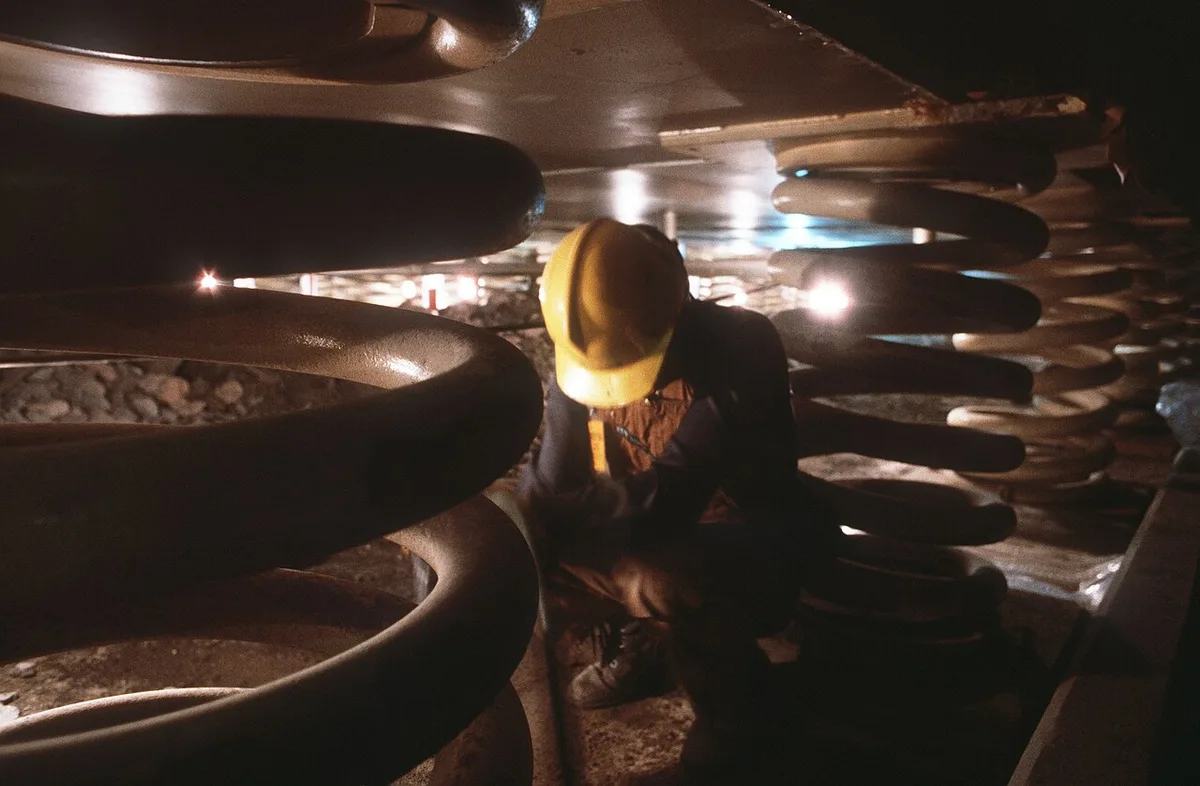
Coil springs are helical steel coils that compress under load. The steel returns to shape when the load releases, providing a predictable spring rate. This design has been the standard for trucks since the 1950s.
Air springs are flexible bags sealed to a metal plate and base. Pressurized air inside creates a variable spring rate that changes with pressure. Adjusting the air pressure lets you raise or lower the vehicle on the fly.
- Spring coil
- Seat
- Retaining ring
Air spring components are the bellows, piston plate, and air inlet. The bellows expands when air is added, lifting the load. The piston plate transfers force to the suspension.
The inlet connects to the vehicle’s air system.
When a coil spring is loaded, the steel deforms linearly, giving a fixed rate. An air spring’s rate changes as pressure varies, allowing ride height adjustment. This makes air springs ideal for fluctuating loads, while coil springs excel in steady duty.
For routine maintenance, check the air compressor the same way you’d check the proper fluid level on a Ford Focus. Manufacturers reference SAE J1204 for coil spring testing.
- Bellows
- Piston plate
- Air inlet
- Air lines
Pros, Cons & Cost: Performance, Maintenance, and Budget Breakdown
Coil springs are inexpensive, simple, and require no power source. They provide consistent performance in steady loads and are easy to replace. Their steel construction resists heat and moisture.
Air springs offer adjustable ride height and automatic load leveling. They improve comfort on uneven roads and reduce tire wear. However, they need compressed air and regular leak checks.
Coil springs can crack under extreme fatigue and offer limited adjustability. They may sag over time with heavy payloads. Replacement is straightforward but still adds labor.
Air springs can develop leaks from seals or fittings and need a reliable compressor. Moisture in the air system can freeze in cold climates. Failure can leave the vehicle stranded.
| Item | Approx. Cost (USD) |
|---|---|
| Coil spring kit | $150‑$300 |
| Air spring kit | $250‑$450 |
| Installation labor | $100‑$200 |
| Air compressor (if needed) | $120‑$250 |
Maintaining coil springs means checking for cracks and replacing worn seats. Air springs require monthly leak inspections and occasional seal replacement. If you’re upgrading a truck bed, consider the added weight like a tonneau cover.
For accurate part numbers, refer to Hendrickson air springs.
Best For & Common Pitfalls: Matching the Right Spring to Your Application
Choosing the right suspension starts with your typical load and road conditions. Coil springs suit steady, heavy loads on paved highways and keep costs low. Air springs shine in mixed‑terrain, variable‑load situations where ride height matters.
If you haul heavy loads on flat roads, coil springs keep the ride simple. If you need to raise the cab for rough terrain, air springs give that flexibility. Drivers who prefer low‑tech reliability will appreciate coil springs, which match that vehicle tech.
Common coil spring pitfalls include ignoring rust and not checking torque after replacement. Air spring pitfalls involve neglecting the air dryer and running the compressor dry. Always verify load ratings per FMVSS 105 and keep spare air filters on hand.
- Use coil springs for long‑haul, steady loads.
- Use air springs for fluctuating loads and off‑road conditions.
- Check coil torque every 50,000 km.
- Inspect air lines and seals monthly.
- Keep a spare air dryer cartridge in the glove box.
FAQs & Final Verdict: Decision Guide for Truck, RV, and Industrial Use
How much weight can a coil spring support compared to an air spring?
Coil springs typically support 2,500, 3,500 kg per SAE J1204, while air springs can handle 4,000, 6,000 kg when paired with proper compressors. The exact capacity depends on the specific spring design and air pressure settings. Choose the system that matches your maximum payload.
Do air springs require more maintenance than coil springs?
Air springs need regular leak checks, air dryer replacement, and occasional seal service, while coil springs mainly require visual crack inspection and torque verification. Maintenance intervals for air systems are usually every 12, 24 months, whereas coil springs may go 5, 7 years between major checks. Both are manageable, but air systems add a few extra steps.
Can I install an air spring on a vehicle originally equipped with coil springs?
Yes, many manufacturers offer conversion kits that replace coil springs with air springs, including mounting brackets and air lines. The conversion must meet FMVSS 105 and may require a new compressor and control module. Ensure the kit matches your vehicle’s axle load rating.
Are air springs worth the extra cost for an RV?
For RVs, air springs improve ride comfort and allow leveling on uneven campsites, which many owners value. The added cost is offset by reduced tire wear and better handling when fully loaded. If you frequently camp on rough terrain, the benefit justifies the expense.
How do temperature extremes affect coil and air springs?
Cold temperatures can make steel more brittle, increasing the risk of coil cracking, while hot temperatures accelerate air seal degradation. In very hot climates, air springs may lose pressure faster, requiring more frequent checks. Both systems perform best within their specified temperature ranges.
Final Verdict: For steady, heavy‑duty hauling on paved roads, coil springs deliver reliability at lower cost. If your work involves variable loads, rough terrain, or you need adjustable ride height, air springs provide the flexibility and comfort worth the extra investment. Match the suspension to your real‑world use, and you’ll enjoy smoother, safer trips mile after mile.
