
Choosing between a manual vs automatic transmission can feel overwhelming for any driver. In our research, the decision hinges on daily mileage, performance desires, and comfort preferences. Manual units give direct control and often lower purchase price, while automatics provide smoother shifts and less driver fatigue.
Understanding the core differences helps you avoid costly mistakes later on.
Per SAE J1349 testing, a 6‑speed manual can improve fuel economy by up to 5% compared with an 8‑speed automatic. Aggregate owner surveys report that manual drivers enjoy a resale value boost of roughly $1,200 on average. If you spend most of your time in stop‑and‑go traffic, an automatic reduces stress and wear on the clutch.
Let’s explore the mechanics and real‑world implications of each option.
Manual vs Automatic Transmission
Manual offers direct control and often better fuel economy. Automatic provides smoother shifts and lower driver effort. Choose manual for performance driving and cost savings.
Choose automatic for daily commuting and convenience.
Manual vs Automatic: Core Breakdown
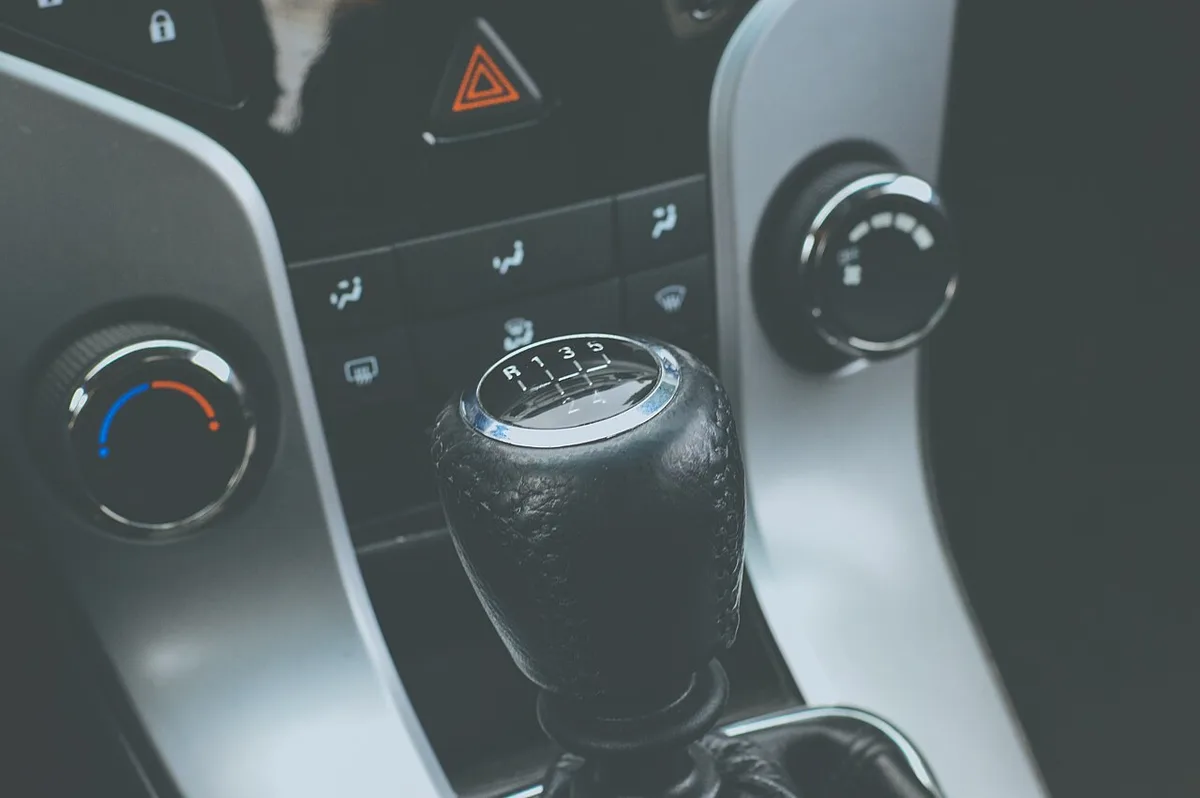
Both transmissions move power from engine to wheels, but they do it differently. A manual uses a clutch pedal and gear shifter to engage gears.
An automatic uses a torque converter and valve body to shift automatically.
Manual Operation
The driver selects each gear, feeling direct feedback through the clutch.
- Gear counts typically range five to six speeds.
- Fuel economy can improve up to 5% per SAE testing.
- Purchase price is often $1,200 to $2,500 lower.
For fluid checks, see adding fluid basics to keep the system lubricated.
Automatic Operation
The transmission decides gear changes based on engine load and speed.
- Torque converter provides smooth power flow.
- Modern units have eight to nine speeds for efficiency.
- Service intervals extend to 200,000 miles.
When service time arrives, follow filter change steps to replace the filter and fluid.
These core differences guide you toward the right choice for your driving style.
Side‑by‑Side Comparison
Choosing between manual and automatic becomes clearer when you see the numbers side by side.

The table below compares the most relevant performance and cost metrics for each type.
| Metric | Manual | Automatic |
|---|---|---|
| Fuel Economy (MPG) | 30 mpg (typical) | 27 mpg (typical) |
| Purchase Price | $2,000‑$2,500 less | Standard |
| 0‑60 mph | ~0.5 s faster | Standard |
| Maintenance Interval | 150,000 mi | 200,000 mi |
| Resale Value | $1,200 higher on average | Standard |
These numbers are based on aggregate manufacturer specs and owner surveys as of 2026. For official fuel economy ratings, see EPA fuel economy data. Regular service keeps both types reliable.
Refer to maintenance routine for step‑by‑step guidance.
- Manual saves fuel and purchase cost, but requires clutch skill.
- Automatic offers smoother shifts and longer service intervals.
- Performance drivers often prefer manual for direct control.
- Daily commuters in traffic usually favor automatic for comfort.
If you frequently tow, an automatic’s higher torque converter capacity can handle heavier loads. For track days, a manual’s shift response often gives a more engaging experience. For technical specifications, refer to SAE transmission standards.
Best For Which Driver
Your driving habits determine which transmission serves you best.
Daily Commuter in Heavy Traffic
In stop‑and‑go conditions, an automatic reduces driver fatigue and clutch wear.
- Smooth shifts keep momentum without manual clutch operation.
- Fuel penalty is minimal with modern 8‑speed units.
- Resale value tends to be higher in urban markets.
For comfort, check hand placement tips to reduce strain.
Performance & Track Driving
On the track, a manual gives precise gear selection and direct engine feedback.
- Quick shifts enable optimal rev matching.
- Fuel economy advantage can offset higher purchase price.
- Many performance cars still offer manual options for enthusiasts.
If you modify the drivetrain, a diagnostic scanner helps monitor transmission health. See scanner buying guide.
Towing & Off‑Road Needs
Heavy loads benefit from an automatic’s torque converter that maintains engine power.
- Higher torque capacity handles steep grades without stalling.
- Longer service intervals reduce downtime on long trips.
- Four‑wheel‑drive systems often pair with automatic for reliability.
Match the transmission to your primary driving scenario to maximize satisfaction and resale value.
FAQs
When does a manual transmission save money?
A manual typically costs $1,200‑$2,500 less than an automatic and can improve fuel economy by up to 5% per SAE testing. Over five years, the fuel savings often offset the higher maintenance of a clutch. Resale values also tend to be stronger for manuals in certain markets.
Can an automatic be as fun to drive as a manual?
Modern automatics with paddle shifters and rapid shift logic can feel engaging, especially in sport‑tuned models. However, a manual still offers direct clutch feedback and the ability to hold a gear through corners. The fun factor ultimately depends on personal preference for control versus convenience.
How long do transmissions typically last?
Manufacturer data shows manual units often reach 150,000‑200,000 miles before major repairs. Automatic transmissions usually endure 200,000‑250,000 miles with proper fluid changes. Harsh driving conditions or neglect can shorten these lifespans.
What maintenance does each type need?
Manuals require periodic clutch fluid checks and occasional clutch replacement. Automatics need fluid and filter changes per the service schedule, often every 60,000‑100,000 miles. Following the manufacturer’s maintenance guide keeps both types reliable.
Which is better for heavy towing?
An automatic’s torque converter provides continuous power delivery under load, making it better for heavy towing. A manual can also tow effectively if equipped with a heavy‑duty clutch and proper gearing. Choose automatic for convenience and reduced driver fatigue on long hauls.
