
Choosing between e10 vs e15 gas can feel confusing if you’re not sure what your engine can handle. Modern flex‑fuel vehicles accept the higher ethanol blend, while older models may suffer damage. In our research, the difference often comes down to manufacturer approval and regional availability.
This guide breaks down the facts so you can fuel confidently.
Per EPA testing, E15 offers a modest octane boost, but the real‑world impact varies by engine design. Knowing the rules helps you avoid costly mistakes and keep your car running smoothly.
E10 vs E15 Gas
E10 blends 10% ethanol; E15 blends 15% ethanol fuel.
E15 is only safe for flex‑fuel vehicle engines.
Older gasoline engines may see lower mileage with E15.
Verify your owner’s manual before selecting E15.
Regional stations often label pumps clearly for E15.
Ethanol acts as an octane booster, so both blends meet 87 AKI.
E15 can raise octane by one point on some engines.
Higher ethanol also absorbs moisture, affecting fuel system over time.
Keep the fuel cap tight to limit water ingress.
Core Explanation / How It Works
E10 and E15 are gasoline blends that include renewable ethanol derived from corn. The ethanol percentage defines the blend name and influences combustion characteristics. Per EPA flex‑fuel vehicle guidelines, only vehicles with appropriate software and hardware may use E15 safely.
Octane rating remains at 87 AKI for most retail blends, but ethanol’s higher octane can offset lower gasoline octane. In practice, drivers notice a modest power increase on high‑compression engines when using E15. Manufacturer specifications confirm that approved models maintain fuel economy within one percent of E10.
If you own a pre‑2001 model or a non‑flex‑fuel vehicle from 2007‑2014, using E15 can cause fuel system damage. Always verify the fuel door label and consult the owner’s manual before filling up. Checking fluid specifications in the manual ensures you match the correct blend for your engine.
Comparison / Alternatives / Options
Choosing the right blend depends on your vehicle’s approval and your driving habits. Below is a side‑by‑side snapshot of the most common gasoline options.
| Blend | Ethanol % | Octane (AKI) | Typical Use | Pros | Cons |
|---|---|---|---|---|---|
| E0 (pure gasoline) | 0 | 87 | Classic engines, some imports | No ethanol concerns | Higher carbon footprint |
| E10 | 10 | 87 | Most cars, standard fuel | Widely available, lower emissions | Minor moisture absorption |
| E15 | 15 | 87‑88 | Flex‑fuel vehicles | Slight octane boost, renewable | Limited stations, not all cars approved |
| E85 | 85 | 105‑108 | High‑performance flex‑fuel cars | High octane, low CO₂ | Poor cold starts, fuel economy drops |
- E10 works for virtually every gasoline engine built after 2001.
- E15 adds a modest performance edge for approved flex‑fuel models.
- E0 remains the safest choice for older or non‑approved engines.
- E85 is reserved for high‑compression engines designed for ethanol.
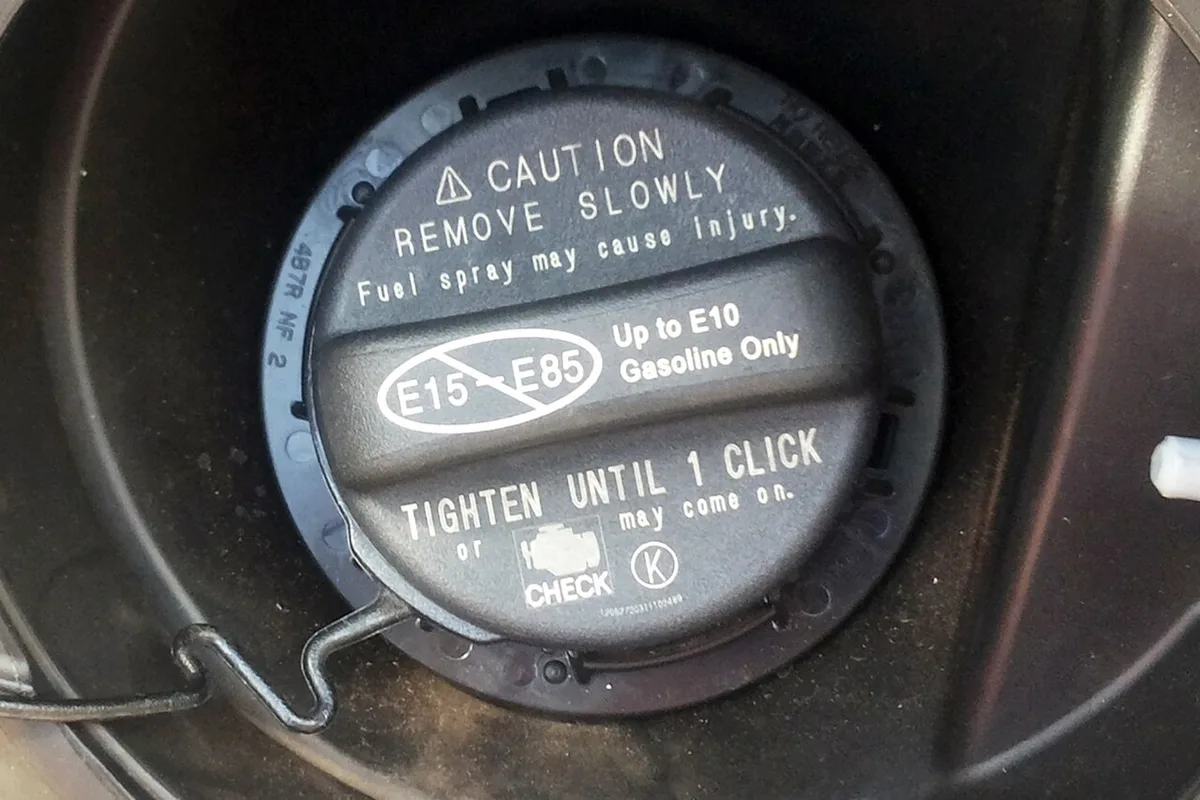
Image source: Wikimedia Commons / Mariordo (Mario Roberto Durán Ortiz) (CC BY-SA)
Following filter maintenance steps helps keep the fuel system clean when using higher ethanol blends. Regular service intervals match the manufacturer’s schedule for flex‑fuel models.
Use Cases / Best For / Who It's Right For
- E10 is the default for daily drivers, trucks, and most gasoline‑powered equipment.
- E15 is best for flex‑fuel vehicles built after 2001 that carry the E15 badge on the fuel door.
- Drivers in the Midwest often find E15 at most stations, while coastal markets may have limited availability.
- Small‑engine owners should stick to E10 to avoid carburetor issues.
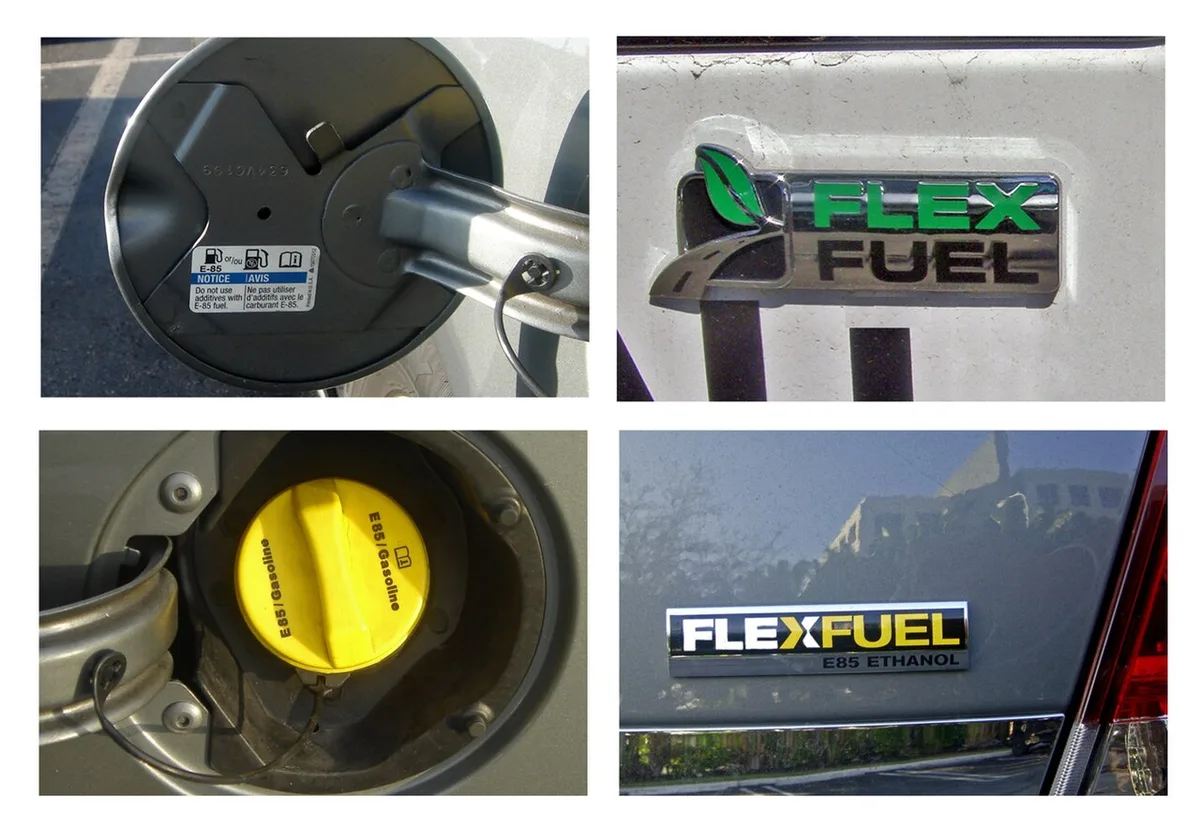
Image source: Wikimedia Commons / Mariordo Mario Roberto Duran Ortiz (CC BY-SA)
If you’re planning a long road trip, check station maps ahead of time. For DIY ramp safety, secure the ramp surface before loading heavy loads.
FAQs
Can I use E15 in my 2010 sedan?
Only if the sedan is a certified flex‑fuel vehicle and the fuel door shows the E15 label. Non‑approved models risk fuel system damage, so verify the owner’s manual before filling up.
Does E15 improve fuel economy?
In our research, most flex‑fuel vehicles see a slight drop in mpg when running E15, typically 0.5‑1 mpg. The higher octane can offset this on high‑compression engines, but the net effect varies.
Why is E15 harder to find on the West Coast?
California and neighboring states have stricter blend regulations and lower ethanol demand. As of 2026, only a handful of stations in the region offer E15, making E10 the practical choice for most drivers.
Will using E15 void my warranty?
Manufacturer warranties for non‑flex‑fuel vehicles explicitly exclude damage from unauthorized ethanol blends. Using E15 in an unapproved car can void warranty coverage for fuel system repairs.
How do I know if my car is flex‑fuel capable?
Look for an “E15” or “Flex‑Fuel” badge near the fuel filler door. The owner’s manual will also list the approved fuel types. If in doubt, contact your dealer with the VIN for confirmation.
