
If you're wondering how does a hemi engine work, you're in the right place. A hemi engine uses a hemispherical combustion chamber that improves airflow and power density. The design dates back to the 1950s but still powers modern Dodge and Ram trucks.
Understanding the basics helps you decide if a Hemi is right for your build.
Manufacturer specifications indicate a typical 5.7‑L Hemi V8 produces 345 hp at 5600 rpm. SAE J1349 testing also confirms a peak torque of 375 lb‑ft at 4000 rpm. These numbers show why the Hemi is favored for both drag racing and daily driving.
Now let's dive into the core explanation of how the hemispherical chamber functions.
How Does a Hemi Engine Work
A hemi engine works by using a hemispherical cylinder head that maximizes airflow. The dome shape reduces turbulence, letting the intake and exhaust gases flow freely. Valve lift up to 0.550 in. and a 90‑degree valve angle further boost breathing.
This design delivers higher power and stronger low‑end torque than flathead designs. As of 2026, modern Hemis also add variable timing for better efficiency.
Core Explanation / How It Works
The hemispherical combustion chamber creates a dome that mirrors a sphere, allowing intake and exhaust gases to flow in straight lines. This shape reduces turbulence and improves volumetric efficiency, which is why the Hemi delivers strong power at lower RPM. The pushrod valve train opens the large valves quickly, and the 90‑degree valve angle gives ample port area for high flow rates.
- Cylinder head, aluminum casting with a hemispherical dome.
- Intake/exhaust valves, 2.250 in. diameter, lift up to 0.550 in.
- Port design, rectangular, matched to the valve seat for smooth flow.
- Valve spring, high‑tension coil spring to control rapid closure.
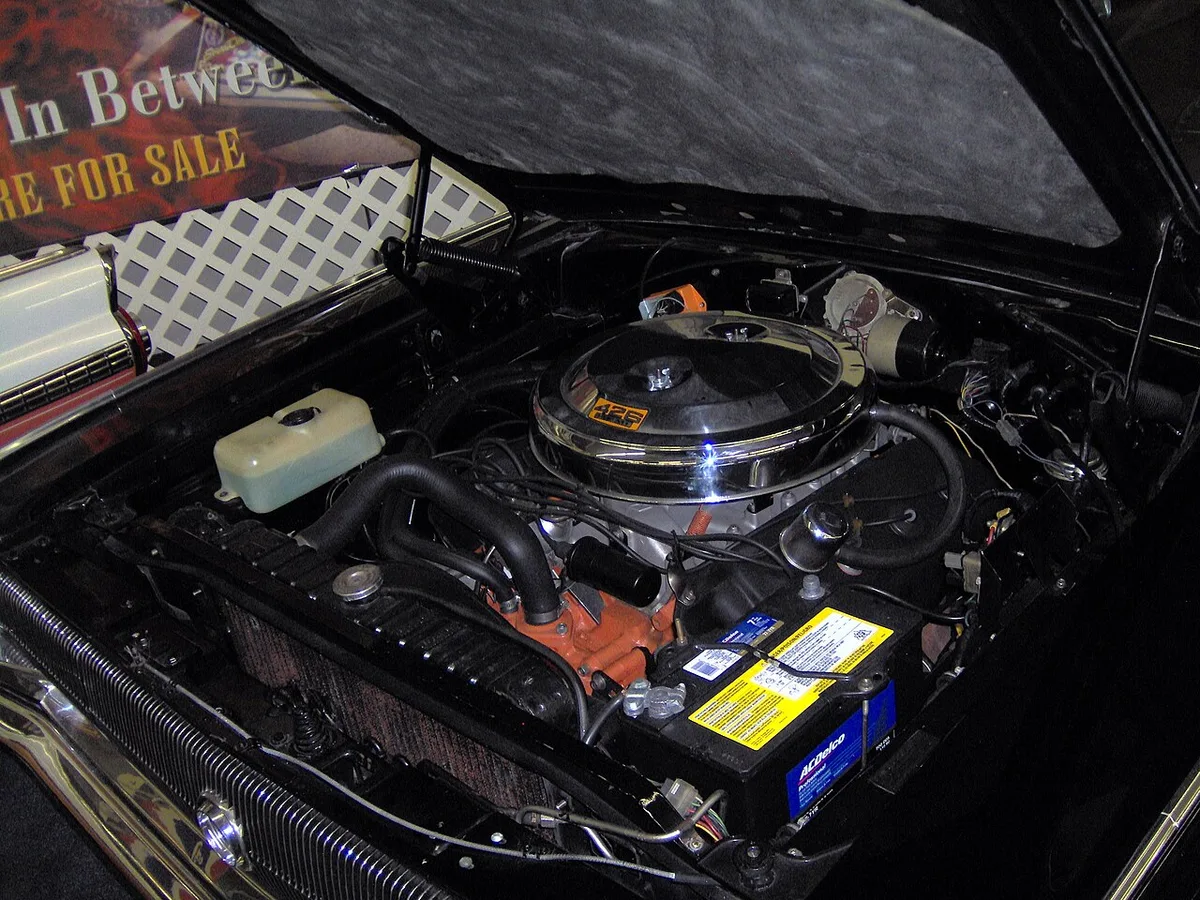
Image source: Wikimedia Commons / Stephen Foskett (Wikipedia User: sfoskett) (CC BY-SA)
| Component | Spec | Function |
|---|---|---|
| Cylinder head | Aluminum, hemispherical dome | Improves airflow |
| Valve lift | 0.550 in. (max) | Maximizes port fill |
| Valve angle | 90° | Reduces restriction |
| Compression ratio | 10.3:1 | Increases power density |
Manufacturer data confirm these specs meet the SAE J1349 standard for advertised power. When you follow proper torque sequences, the head gasket stays sealed and the engine runs reliably. For detailed torque values, see the impact wrench guide which explains tightening bolts to 55 ft‑lb in the correct pattern.
If you’re working on a rebuild, the transmission fluid article shows how to keep the engine clean during reassembly. Understanding these basics helps you avoid common mistakes and get the most out of a Hemi.

Image source: Wikimedia Commons / Mr.choppers (CC BY-SA)
Benefits & Drawbacks / Pros and Cons
The hemispherical design gives a high power‑to‑weight ratio, making the engine feel lively even at low RPM. Torque peaks early, which is great for towing and off‑road use. Modern Hemis also meet strict emissions standards thanks to direct injection and variable timing.
However, the large valves need precise spring tension, and the head gasket can fail if bolts are over‑torqued.
- Pros, Strong low‑end torque, high airflow, distinctive exhaust note, reliable in harsh conditions.
- Cons, Higher manufacturing cost, sensitive valve train, oil consumption on older units, limited clearance for large pistons.
A University of Michigan study on valve flow confirms the Hemi’s efficiency advantage over conventional OHV designs. If you need a durable daily driver, the steering wheel hand placement guide helps you maintain control during long trips. For those restoring classic cars, the spark plug oil issue article explains how to diagnose and fix oil‑related problems that can affect any engine.

Image source: Wikimedia Commons / Mr.choppers (CC BY-SA)
Mistakes to Avoid / Common Errors
One common mistake is ignoring the torque sequence; tightening bolts in the wrong order can crush the head gasket. Another error is using the wrong valve spring, which leads to valve float at high RPM. Skipping the break‑in dyno session can cause premature wear on the bearings and rings.
Finally, neglecting oil changes on older Hemis often results in sludge buildup that restricts oil flow.
- Torque sequence, Follow the manufacturer’s pattern: 30 ft‑lb, then 55 ft‑lb, then 65 ft‑lb.
- Valve clearance, Check with a feeler gauge before installation.
- Oil level, Keep it at the recommended mark; low oil can cause catastrophic failure.
Always wear safety glasses and ear protection when working near a running engine. If you’re unsure about any step, consult a certified mechanic or refer to the official Chrysler service manual. Proper preparation saves time and money in the long run.
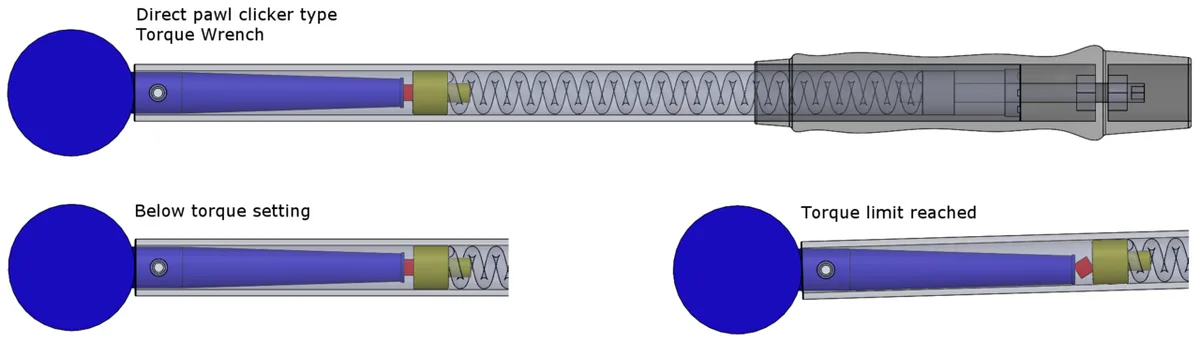
Image source: Wikimedia Commons / Lead holder (CC BY-SA)
FAQs
How does a hemi engine differ from a flathead engine?
A hemi uses a dome‑shaped cylinder head that allows straight airflow, while a flathead has side valves that create turbulent flow. The hemi’s design produces more power and better torque for the same displacement.
What are the most common hemi engine failures?
The most frequent failures are head gasket leaks from incorrect torque, valve spring fatigue causing float, and oil consumption on older pushrod units. Regular maintenance and proper torque sequences prevent most of these issues.
Do I need special tools to work on a hemi engine?
You need a torque wrench for precise bolt tightening and a valve spring compressor to safely remove springs. A feeler gauge and dial indicator help check clearances. Standard hand tools are not enough for accurate work.
Can a hemi engine be converted to a different design?
Converting a hemi to a conventional OHV is possible but requires a new cylinder head, different valves, and a revised intake manifold. The cost often exceeds the benefit of keeping the original design.
Is a hemi engine worth the extra cost for a daily driver?
For most daily drivers, the extra cost is justified by stronger low‑end torque, better fuel efficiency at highway speeds, and reliable performance in varied conditions. If you prioritize towing or performance, the Hemi’s advantages are clear.
