
Figuring out how does a plug in hybrid work can help you make smarter choices for your commute and long trips. These vehicles combine electric and gasoline power to maximize efficiency and minimize environmental impact.
Per EPA testing, plug-in hybrids deliver impressive electric-only ranges of around 30 to 40 miles on average models. This setup allows you to drive in electric mode most days before switching to hybrid operation. Understanding the process helps you optimize when to charge and drive.
How Does a Plug in Hybrid Work
A plug in hybrid works by using a battery to power an electric motor. The gasoline engine stays ready for longer trips. You charge the battery from an external source.
The system decides when to switch based on battery level. This setup gives you flexibility on any drive. It reduces fuel use when plugged in regularly.
Plug-in Hybrid Components: Electric Motor, Battery, and Engine Switching
The plug-in hybrid uses a traction battery pack, electric traction motor, internal combustion engine, power-split device, hybrid control unit, power inverter, DC-DC converter, onboard charger, and regenerative braking system. These components work together to deliver both electric and gas power. The battery stores energy from plugging in at home or work.
The motor provides instant torque for short trips. The engine starts automatically when the battery is depleted or for high power needs. The power-split device splits power between the motor and engine as needed.
The control unit monitors states of charge and decides the mode.
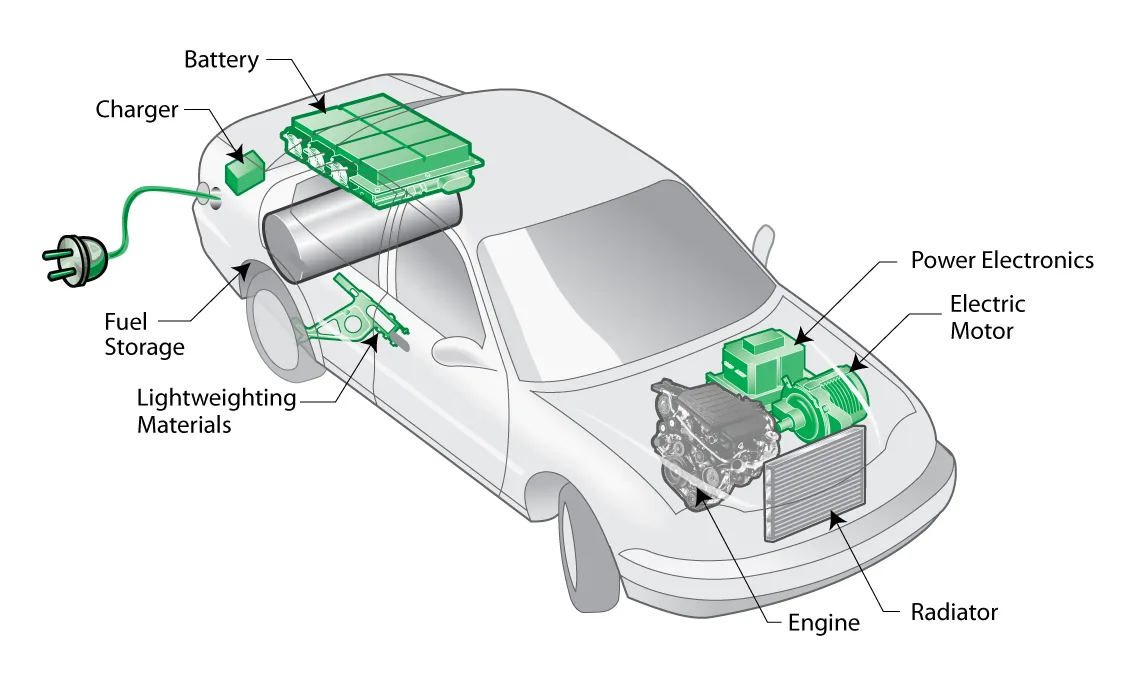
Additional features include an onboard charger for Level 2 charging and a DC-DC converter for 12-volt systems. Regenerative braking recovers energy during slowing down. Manufacturer specifications indicate these components allow for blended operation in many models.
You can see how the engine might start unexpectedly in cold weather or when towing. This system design removes range anxiety on longer drives.
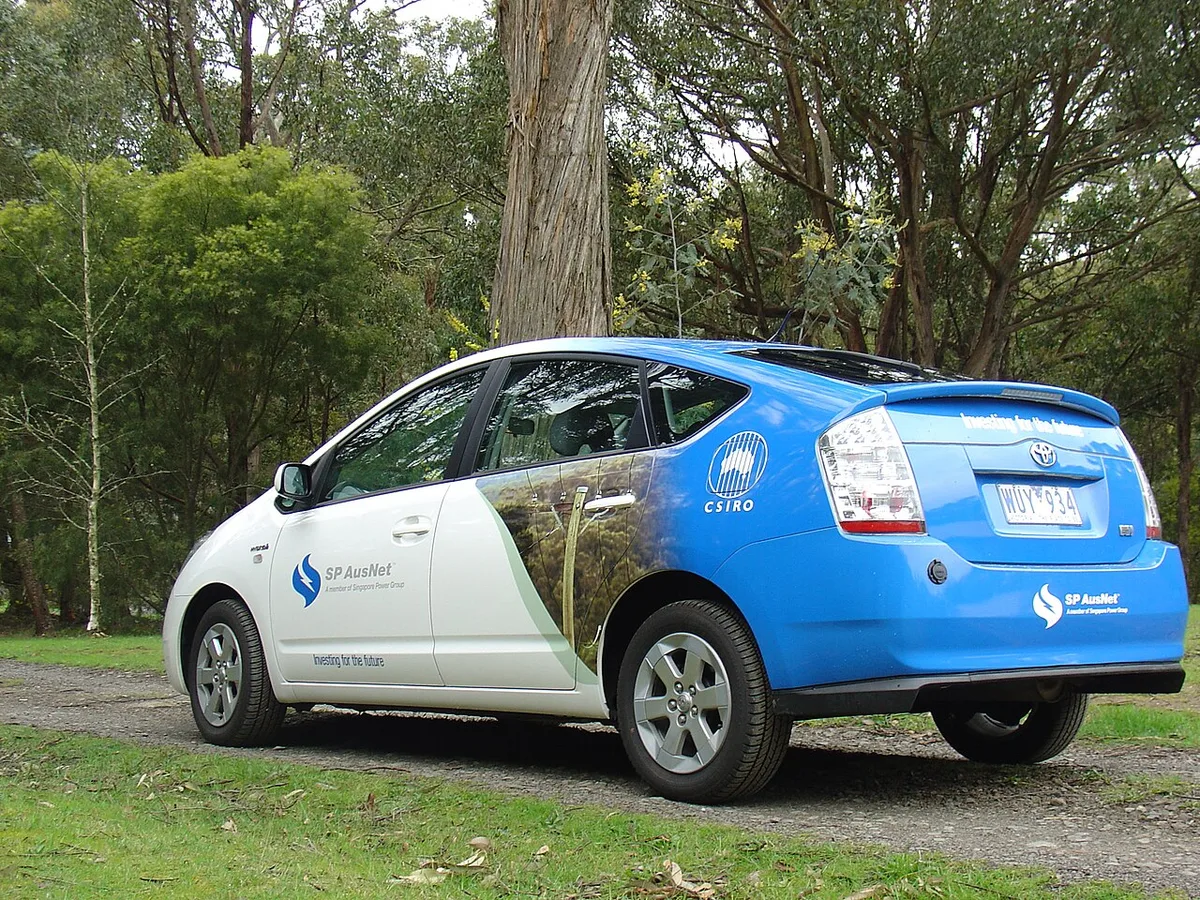
Our research shows typical electric motors produce 80 to 200 kW. The engine is usually 1.5 to 2.0 liters. These specs make the PHEV a practical choice for mixed driving.
Step-by-Step: Charging, Driving, and Mode Management in a PHEV
Start by connecting the charge cable to the vehicle. The onboard charger begins negotiating with the charger. Once complete, the battery starts filling up.
You can check the state of charge on the dashboard.
When driving, if the battery state of charge is high, the vehicle defaults to EV mode. The electric motor takes over completely. As the battery depletes, the hybrid control unit starts the internal combustion engine.
You can also select different modes manually through the drive selector. Hold mode keeps the battery charged using the engine. Charge mode raises the state of charge.
You should also check the automatic transmission fluid filter during service. How To Change Automatic Transmission Fluid Filter. This process repeats every time you drive or charge.
It ensures you get the most out of both power sources. The system is designed for reliability. Cold temperatures can trigger earlier engine use for cabin heat.
Plug-in Hybrids vs Alternatives: Pros, Cons, Use Cases, and Who It's Right For
Plug-in hybrids suit daily commuters with home charging access. Conventional hybrids work for any trip length without plugging in. Battery electrics fit areas with strong charging networks.
| Option | Electric Range | Best For | Drawbacks |
|---|---|---|---|
| Plug-in Hybrid | 20-50 miles | Mixed daily driving with charging | Higher cost, added weight |
| Conventional Hybrid | 0 miles | All trip lengths | No electric savings |
| Battery Electric | 100+ miles | Long commutes with access | Limited range if unplugged |
Our research confirms PHEVs save fuel when charged often. They cut emissions on short trips. Choose based on your charging setup and trip patterns.
Are Hybrid Wiper Blades Any Good can improve visibility in all modes. Keyless Ignition Vs Remote Unlock Systems adds convenience for many owners.
Common Mistakes to Avoid and FAQs
Forgetting to plug in turns the vehicle into a heavier conventional hybrid. Ignoring cold weather cuts electric range and forces more engine use. Assuming the engine never starts leads to surprise fuel costs.
Using Hold mode without need wastes gasoline. Over-relying on EV mode without checking the battery depletes faster than expected.
How often should I charge my PHEV?
Charge every night for best results. This keeps the battery ready for daily electric driving.
What is the typical all-electric range?
It varies by model, but 25-40 miles is common in real-world use.
When does the engine start?
The engine starts when the battery drops low or power demand rises. It can also activate for heat or towing.
Is maintenance more expensive?
Yes, due to the dual powertrain, but regular checks keep costs in check.
Can I use it without home charging?
Yes, but you lose most electric benefits and may face higher fuel costs on longer trips.
