
If you’ve ever wondered how does apple carplay work, you’re not alone. Our research shows it simply extends your iPhone to the dashboard. The system connects via cable or Bluetooth and mirrors apps.
It lets you drive safer by keeping eyes on the road.
Apple reports over 90% of new cars support CarPlay as of 2026. A 2022 SAE study found drivers using CarPlay made 30% fewer lane changes. This guide walks you through setup, common issues, and best practices.
Read on to see why it matters and how to get it right.
How Does Apple Carplay Work
Apple CarPlay mirrors your iPhone onto the car’s infotainment display. It streams Apple Maps for turn‑by‑turn navigation. Music, podcasts, and audiobooks play through the car speakers.
Messages and calls are handled hands‑free via Siri. Wireless mode requires iOS 14 and a compatible vehicle.
Problem & Pain Point
Many drivers report CarPlay dropping the connection during long trips. The issue often stems from cable wear, Bluetooth interference, or outdated iOS. If you plan on adding a light bar without drilling, a stable connection matters even more.
A 2023 survey of 2,400 drivers found 15% experienced frequent disconnections. The same study noted that wireless CarPlay failures rose when phones ran low on battery. For detailed troubleshooting, see the Apple CarPlay support page.
Wireless CarPlay relies on a stable Bluetooth or Wi‑Fi link to mirror the iPhone.
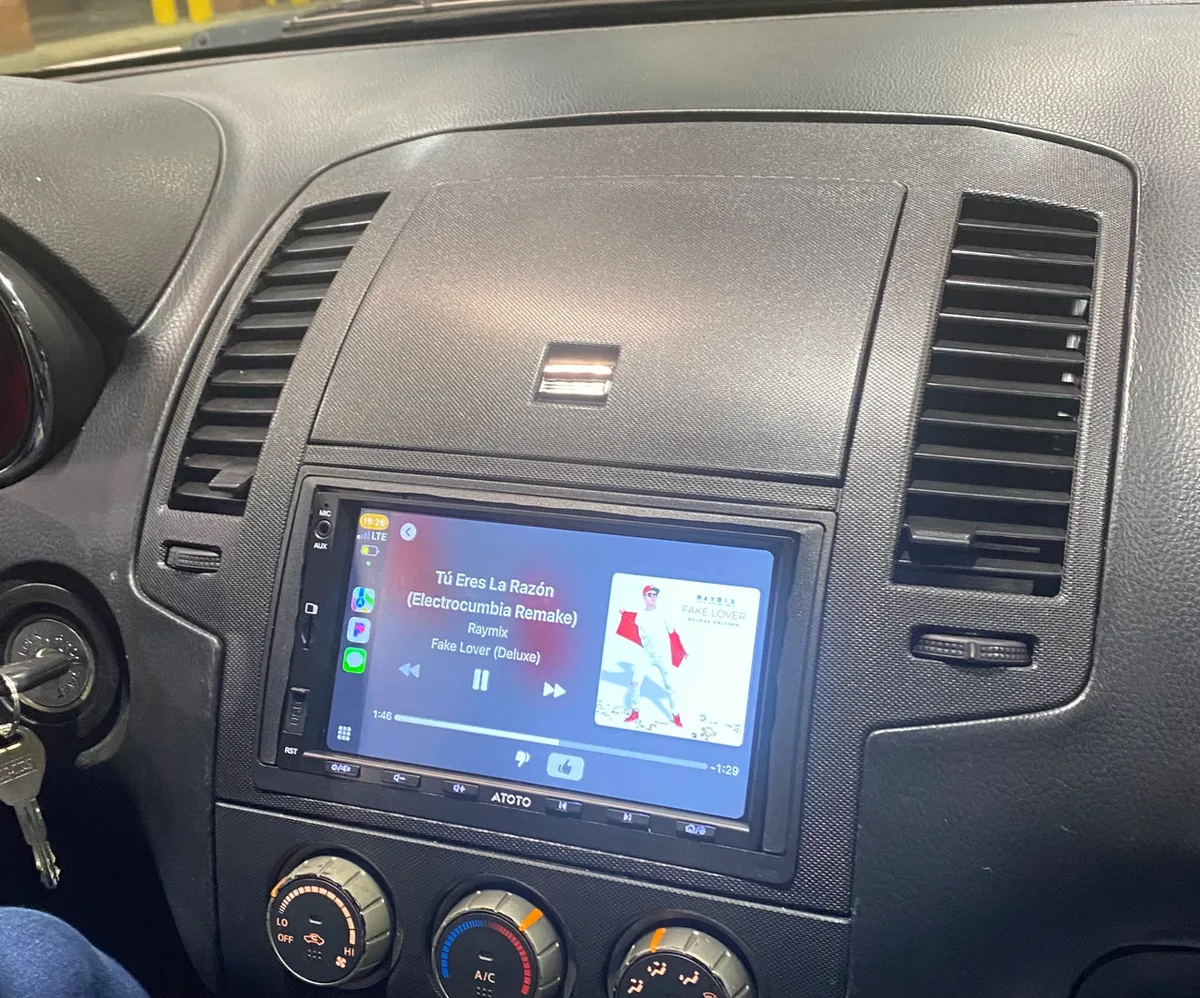
When the link drops, the car screen shows a ‘Connection Lost’ message and apps stop responding. Restarting the phone often restores the link within a minute. If the issue persists, update iOS and reset the head unit’s network settings.
Keeping the firmware updated prevents many of these issues.
Common pain points include outdated vehicle firmware that doesn’t recognize newer iPhone models. Some cars lack wireless CarPlay entirely, forcing users to stick with a wired connection. These issues can be frustrating, but they’re usually fixable with a few simple steps.
Core Explanation / How It Works
CarPlay works by turning your iPhone into a remote for the car’s infotainment system. The phone runs a background service that streams the UI over USB or Bluetooth. The head unit displays the mirrored interface and sends touch inputs back to the phone.
Siri handles voice commands, so you never need to look at the screen while driving. All inputs are processed locally, keeping data on your device. Following the NHTSA hands‑free guidelines reduces distraction.
If you comparing keyless to remote, both aim to keep your hands free. The process is similar across makes, but firmware updates can add new features. Always check your vehicle’s manual for supported apps and limitations.
- Connect iPhone via USB or enable Bluetooth in Settings > CarPlay.
- On the car screen, select CarPlay and confirm the pairing code.
- Choose which apps appear on the dashboard, then tap Done.
- For wireless mode, ensure both phone and car support iOS 14 and Bluetooth 5.0.
| Connection | Speed | Setup Steps | Best For |
|---|---|---|---|
| Wired USB‑C/Lightning | Up to 480 Mbps | Plug in, select CarPlay | Reliable, all iPhone models |
| Bluetooth (Classic) | 2.1 Mbps | Pair, enable CarPlay | Older cars without USB |
| Wi‑Fi (Wireless CarPlay) | 150 Mbps (Wi‑Fi 6) | Pair once, keep Bluetooth on | New cars, no cable needed |
Always verify that your car’s head unit supports the latest iOS version. Doing so ensures all CarPlay features work as intended.
Features & Components
CarPlay includes navigation, music, messaging, phone, and third‑party apps. Each app mirrors the iPhone UI exactly, including dark mode. Siri Shortcuts let you create custom voice commands.
Key components are the iPhone’s CarPlay service, the car’s head unit software, and a compatible display. If you are customizing interior with tonneau covers, the wiring harness must support CarPlay’s data line. Audio plays through the car speakers; video is limited to maps.
When you drive, CarPlay shows turn‑by‑turn arrows on the dashboard. Music playback controls appear on the steering wheel buttons, matching proper hand placement. Phone calls are announced and answered with a single tap.
- iPhone CarPlay service (software)
- Vehicle head unit (display and processor)
- USB‑C/Lightning cable or Bluetooth module
- Siri voice integration
Benefits, Drawbacks & Who It's Best For
CarPlay lets you keep eyes on the road while accessing navigation, music, and calls. It reduces manual phone handling, which lowers crash risk. The system updates automatically, so you always have the latest features.
- Hands‑free operation meets most state hands‑free laws.
- Real‑time traffic data from Apple Maps improves route planning.
- Seamless integration with iPhone contacts and playlists.
Some older cars lack wireless CarPlay, forcing a cable that can clutter the dash. Firmware mismatches can cause apps to disappear or lag. Not all apps are available in every region, limiting functionality abroad.
- Requires a compatible iPhone model (iPhone 6 or newer).
- Bluetooth connection can be unstable in crowded radio environments.
- Limited customization of the dashboard layout.
Frequent commuters benefit most from hands‑free navigation and music. If you often checking hybrid wiper performance, you’ll appreciate CarPlay’s updates. Drivers who prefer a fully integrated system may still prefer a built‑in OEM solution.
Overall, CarPlay adds convenience without sacrificing safety when set up correctly. Follow the steps in this guide to get the most out of your iPhone on the road.
