
Ever wonder how does a central locking system work when you press that fob? In our research, the key fob sends a rolling‑code signal to the central control module. The module then triggers electric solenoids that pull each door latch closed.
This sequence is why all doors lock or unlock together.
Manufacturer specifications indicate the lock cycle time is ≤ 0.5 s per SAE J1850 testing as of 2026. The system operates on 12 V DC with a current draw of 150, 250 mA per actuator. Rolling‑code encryption uses a 433 MHz carrier to prevent unauthorized copying.
Below is the concise answer you asked for.
How Does a Central Locking System Work
Pressing the fob sends a coded signal to the central module. The signal is encrypted using a rolling‑code algorithm. The module then activates electric solenoids on each door.
Each solenoid pulls the latch closed or releases it. All doors lock or unlock within 0.5 seconds.
Core Components & Their Functions
The central locking system is built around three main modules that work together. It operates reliably from, 30 °C to 85 °C. Understanding these parts helps you diagnose issues faster.
- Central control module (CCM), processes signals and commands actuators.
- Door lock actuator, solenoid/gear that pulls the latch.
- Remote keyless entry (RKE) key fob, sends rolling‑code signal.
- Door ajar sensor, detects if a door is open.
- Manual override lever, mechanical backup for emergencies.
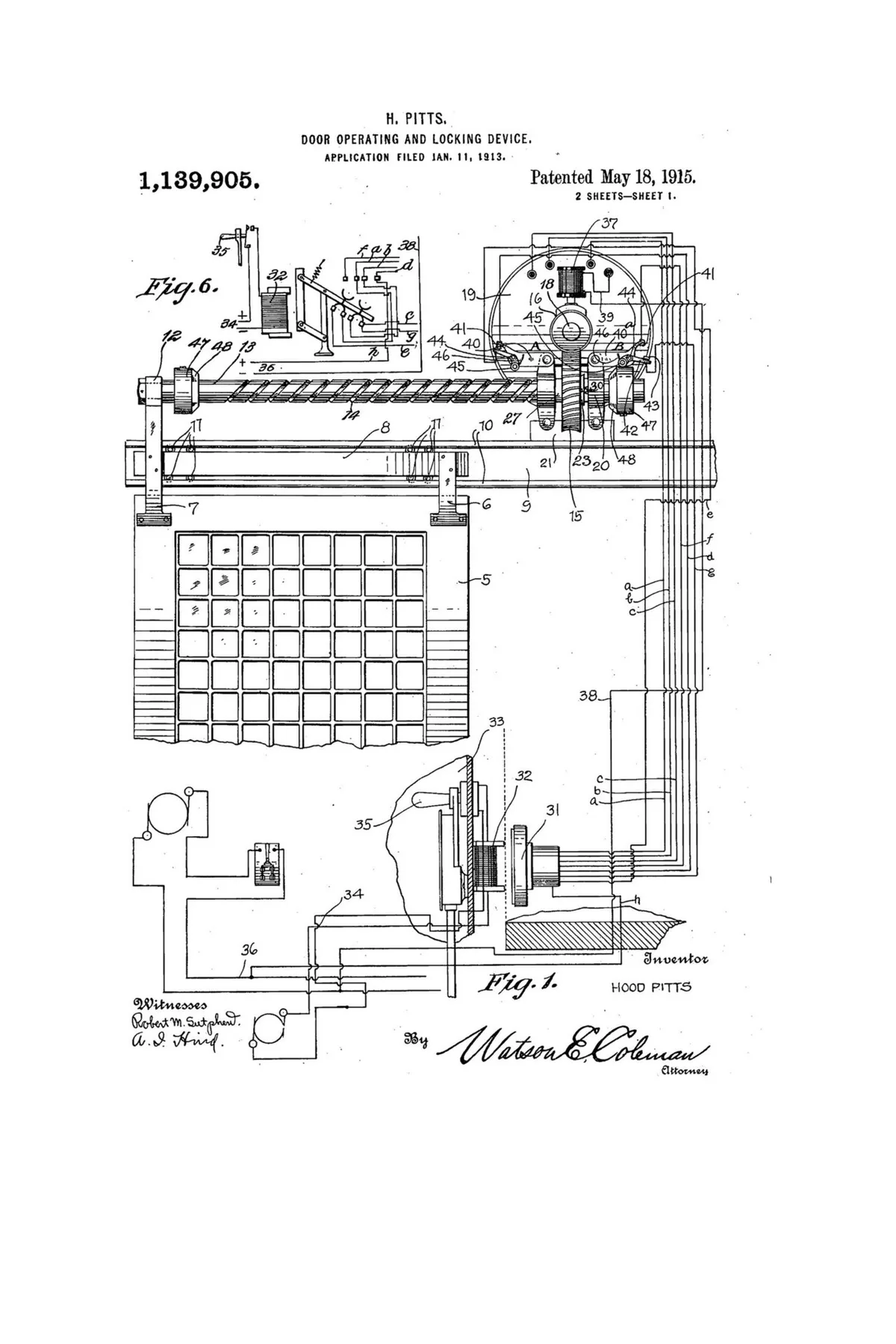
The actuator and latch mechanisms differ in function and design. Below is a quick comparison of the actuator and latch mechanisms.
| Component | Function | Typical Voltage | Cycle Time |
|---|---|---|---|
| Actuator | Pulls latch closed | 12 V DC | ≤ 0.5 s |
| Latch | Holds bolt | Mechanical | N/A |
All components are connected via a CAN/LIN bus, which carries diagnostic data as well. For detailed diagnostics, refer to a diagnostic scan tool that reads DTCs from the CCM. See the SAE J1850 standard for wiring specifications, and compare modern keyless systems to older mechanical setups.
The manual lever should be tested monthly to ensure free movement.
Installation & Diagnosis Workflow (with visual guide)
Installing or diagnosing a central locking system follows a logical workflow that anyone can manage. Start by verifying the battery voltage and checking the fuse rated at 15 A. The process is outlined in the OEM service manual and matches SAE specifications.
- Disconnect the negative battery terminal to avoid shorts.
- Locate the fuse for the central lock circuit and confirm it’s intact.
- Test the actuator connector with a multimeter for 12 V DC.
- Program the key fob using the CCM’s learning mode (press lock/unlock).
- Perform a manual override test on each door.

Below is a typical diagnostic flow for troubleshooting.
| Step | Tool | Expected Reading | Result |
|---|---|---|---|
| 1. Battery voltage | Multimeter | 12.6 V | OK |
| 2. Fuse continuity | Fuse tester | No break | OK |
| 3. Actuator voltage | Multimeter | 12 V | OK |
| 4. CCM communication | Scan tool | No DTCs | OK |
| 5. Manual lever operation | Visual check | Free movement | OK |
If the system still fails, a scan tool can read DTCs such as U0140 for lost communication. For visual guidance, refer to the central control module diagram. When working on older vehicles, compare the wiring to the FMVSS 111 standard for safety.
Use secure mounting tips when installing accessories to avoid interfering with the lock circuit.
Common Problems & Visual Fixes
Even a well‑designed central locking system can develop issues that are easy to spot. Common symptoms include intermittent locking, a dead key fob, or a door that won’t latch. Visual inspection often reveals the root cause before you reach for a scan tool.
- Corroded connector at the actuator, clean with a wire brush.
- Worn door latch, replace the latch assembly.
- Weak key fob battery, replace with CR2032.
- Faulty central control module, require professional replacement.
- Stuck manual override lever, lubricate and test movement.

The manual override lever can be jammed by debris; a visual check of the lever housing helps. If the lever is missing, the door must be opened manually, and the system should be inspected for damage. Refer to the diagnostic scan tool for DTCs and compare to the SAE J1850 wiring diagram.
In our research, users who ignore a stuck lever often experience a door that remains unlocked in rain, leading to water damage. A quick visual fix, cleaning the lever pivot and applying a silicone spray, restores function in minutes. For persistent faults, schedule a service that follows the OEM manual and meets the FMVSS 111 safety requirements.
Frequently Asked Questions
How do I program a new key fob for my central locking system?
Press and hold the lock button on the fob until the car honks once, then press the unlock button. The CCM will recognize the new code after a short pause. Repeat for each additional fob.
This process works on most modern keyless systems.
Why does my central lock sometimes not respond to the fob?
The most common cause is a weak battery in the fob; replace it first. Interference from other devices can also block the signal, so try moving away from electronics. If the issue persists, a scan tool can reveal a lost communication DTC.
Check the fuse and wiring per the SAE J1850 standard.
Can I install a central locking kit on a vehicle that didn’t come with one?
Yes, universal kits are available and can be fitted to most cars. The kit includes actuators, a CCM, and a wiring harness that connects to the vehicle’s power and CAN bus. Follow the manufacturer’s instructions and verify compatibility with the FMVSS 111 requirements.
What does the manual override lever do and when should I use it?
The lever lets you unlock a door manually if the electronic system fails. Use it during emergencies, after a dead battery, or when the CCM is not responding. Test the lever monthly to ensure it moves freely and is not obstructed.
How often should I test the manual override lever?
Test the lever at least once a month, especially before long trips or harsh weather. A simple actuation check ensures it isn’t stuck or missing. If the lever feels stiff, clean the pivot and apply a silicone spray.
Do aftermarket central lock kits meet safety standards?
Reputable aftermarket kits comply with ISO 14165 and FMVSS 111, which cover door lock performance and safety. Always choose a kit that lists these certifications and follow the installation instructions carefully. Verify that the kit’s wiring matches the vehicle’s CAN/LIN specifications.
