
DC fast charging lets electric cars top up in minutes instead of hours. In our research, most drivers see 80 % charge in 10‑30 minutes on a 350 kW charger. This guide explains the process, the components, and what to watch for.
Understanding the basics helps you avoid common pitfalls and get the most out of each stop.
How Does Dc Fast Charging Work
DC fast charging transfers electricity directly to the battery. It raises voltage to 400, 800 V and power up to 350 kW. The charger negotiates current with the vehicle’s BMS.
Charging reaches 80 % in 10, 30 minutes.
Problem / Pain Point
Drivers often face connector mismatches, temperature limits, or authentication hiccups.
- Connector won’t latch: misaligned pins or worn latch.
- Charging stalls early: battery temperature above 45 °C or voltage mismatch.
- Payment fails: expired token or network glitch.
| Issue | Typical Cause | Quick Fix |
|---|---|---|
| Connector won’t latch | Misaligned pins | Realign and reinsert |
| Charging stalls at 50 kW | Battery temperature >45 °C | Cool battery or reduce power |
| Authentication fails | Expired token | Refresh payment app |
Visual Overview of DC Fast Charging Flow
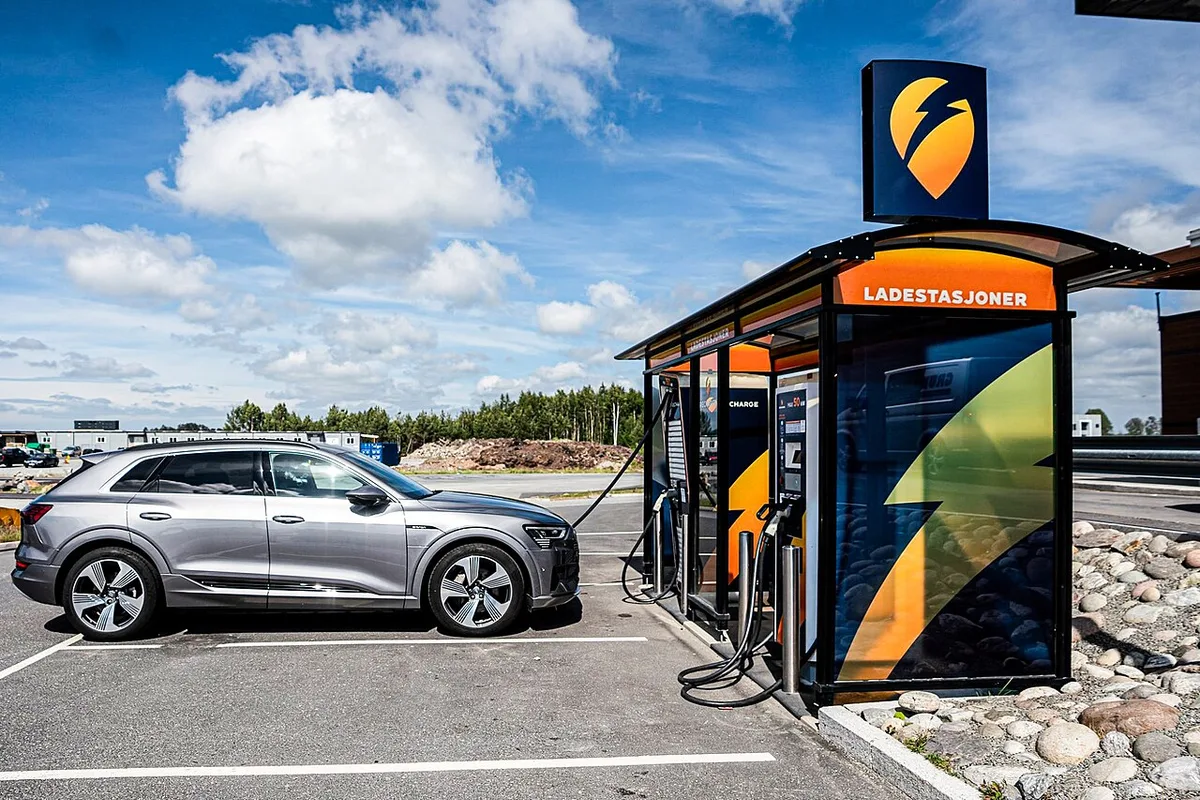
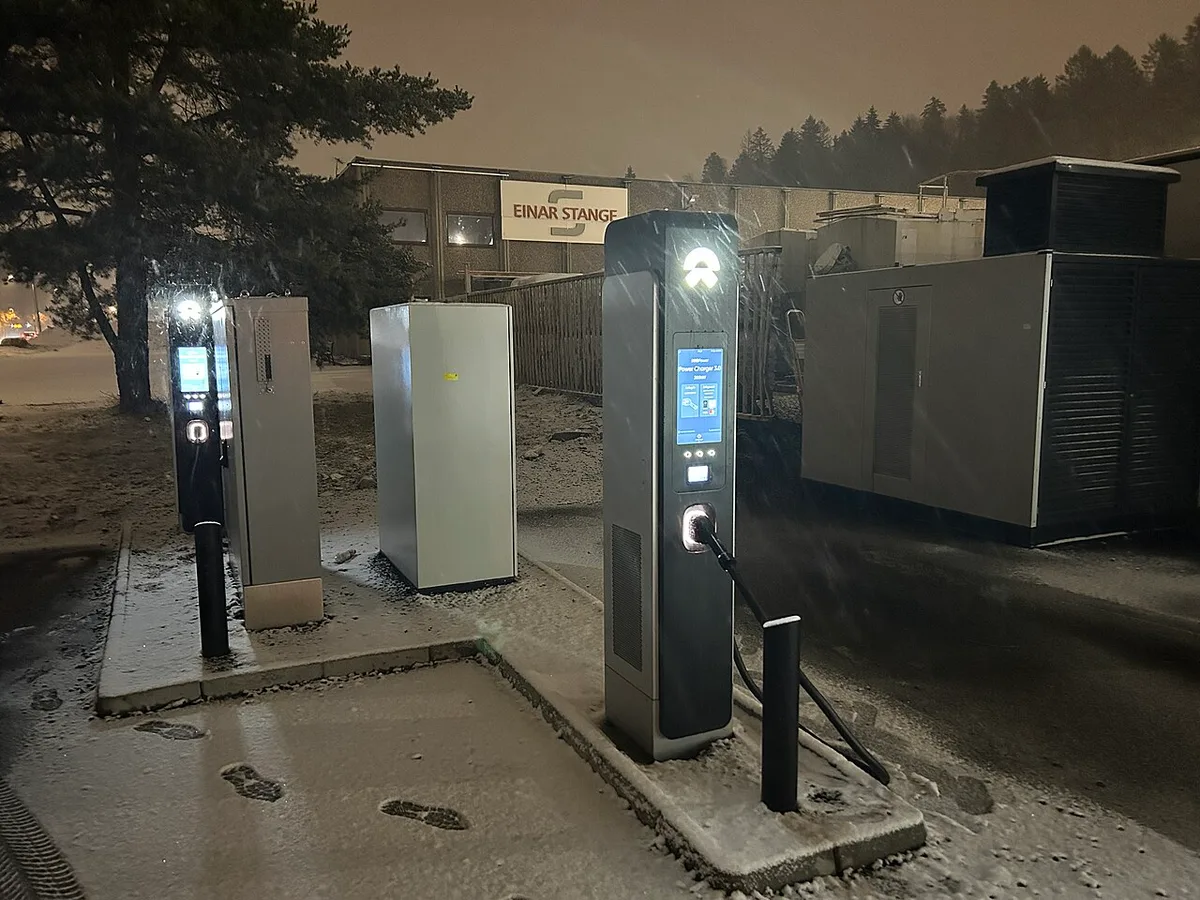
When the plug connects, the charger confirms standards via ISO 15118. If the vehicle’s BMS reports a temperature limit, the charger reduces current. For persistent connector issues, check torque; a proper torque procedure ensures a secure seal.
Benefits & Drawbacks / Pros and Cons
Fast charging adds range quickly and supports long trips. Fleet operators see lower downtime, similar to cost savings on parts found in many commercial studies.
- Pros: 10‑30 min top‑up, 200‑300 km added range, grid‑friendly load management.
- Cons: Battery stress at high power, higher cost per kWh, limited charger density in rural areas.
External research shows average efficiency of 90‑95 % for modern units. For detailed savings data, see the DOE fast‑charging fact sheet.
Safety / Legal / Compliance / Warnings
All DC chargers must meet IEC 61851‑23 and ISO 15118 standards. Always verify the recovery point is engaged before charging, as outlined in a recovery point checklist.
- Keep the area clear of flammable material.
- Do not charge in extreme heat (>35 °C ambient) without active cooling.
- Use only certified connectors; counterfeit units can overheat.
Check local regulations; some jurisdictions require a permit for installation.
Frequently Asked Questions
How long does a typical DC fast charge take?
A 150 kW charger adds roughly 200 km of range in about 15 minutes; exact time varies with battery size and temperature.
Can I use any charger with my electric vehicle?
Only chargers that support your vehicle’s connector type (CCS, CHAdeMO, or Tesla proprietary) and communication protocol will work.
Does fast charging damage the battery?
Repeated high‑power cycles can increase degradation, especially on older chemistries; modern BMS limits stress and most manufacturers warranty battery health for up to 8 years.
What should I do if the charger stops mid‑session?
Check the display for error codes, ensure the connector is fully seated, and restart the session through the app; if the issue persists, contact the charger operator.
