
Ever wondered how does engine braking work when you let off the gas? It uses the engine itself to slow the vehicle instead of the friction brakes. Drivers on steep grades often rely on it to keep brake pads from wearing out.
According to the SAE J1349 standard, a typical heavy‑duty engine brake can generate up to 300 hp of braking power. This figure shows why the system matters for safety and fuel savings. Let’s dive into the real‑world challenges you’ll face and how the system actually functions.
Problem / Pain Point: Real‑World Challenges with Engine Braking
Drivers often notice the brakes overheating after long descents. The engine can experience extra wear if the brake is misused. Noise and vibration sometimes appear when the system engages.
- Overheating friction brakes on mountain roads
- Increased engine wear from constant compression braking
- Rough downshifts when the driver forgets to use the brake
- Loud exhaust sound on some aftermarket setups
Understanding these issues helps you decide when to switch on the engine brake. If you’ve ever struggled with brake fade on a long hill, you’ll appreciate the next section that explains exactly how the braking happens.
Core Explanation / How Engine Braking Works
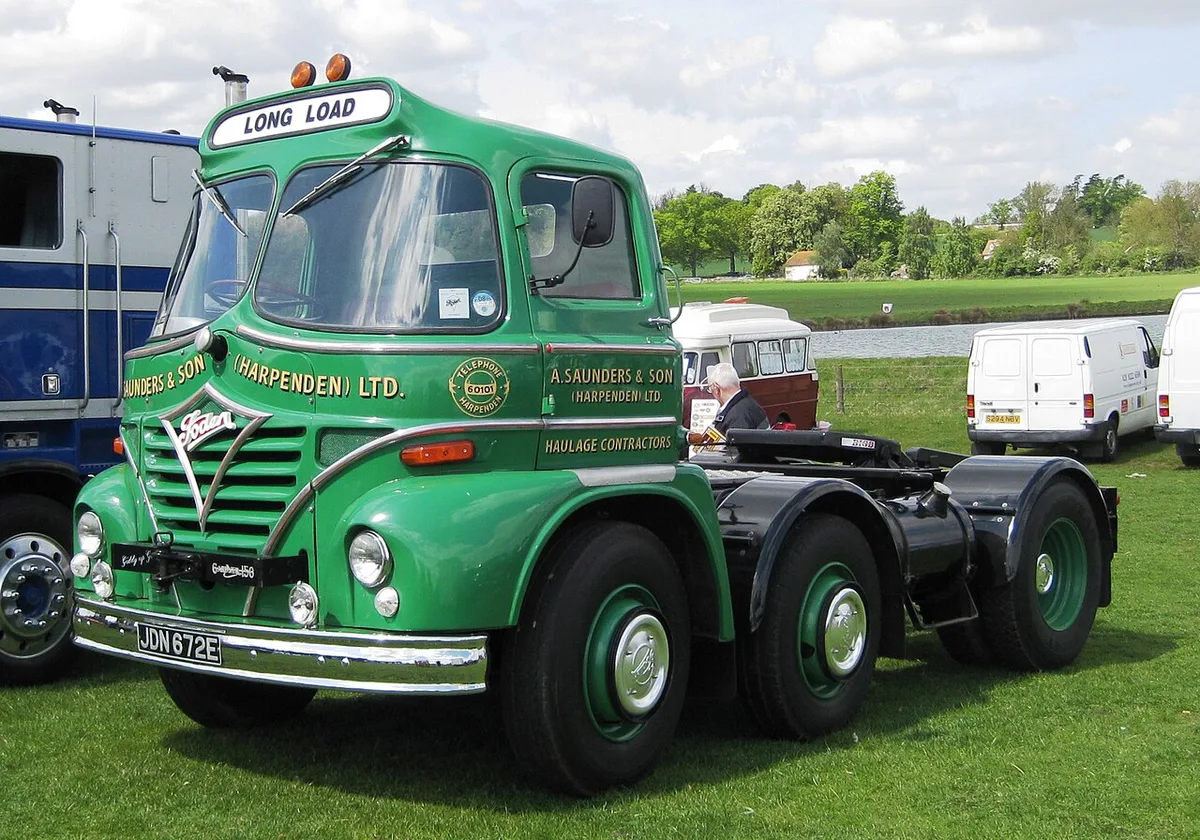
Image source: Wikimedia Commons / Charles01 (CC BY-SA)
Engine braking works by creating resistance inside the engine instead of the wheels. When you lift the throttle, the pistons keep moving, compressing air that the exhaust valve then releases. This compression and release slow the vehicle.
- Compression brake closes the exhaust valve longer, increasing pressure
- Exhaust brake adds a valve that restricts flow, adding resistance
- Intake brake closes the intake valve briefly, creating a vacuum
Each type adds drag in a different way, but the result is the same: the car slows without touching the brake pedal. For a quick check, you can read about checking fluid levels before a long trip to keep everything running smoothly.
Benefits & Drawbacks: When Engine Braking Saves Fuel and Brakes
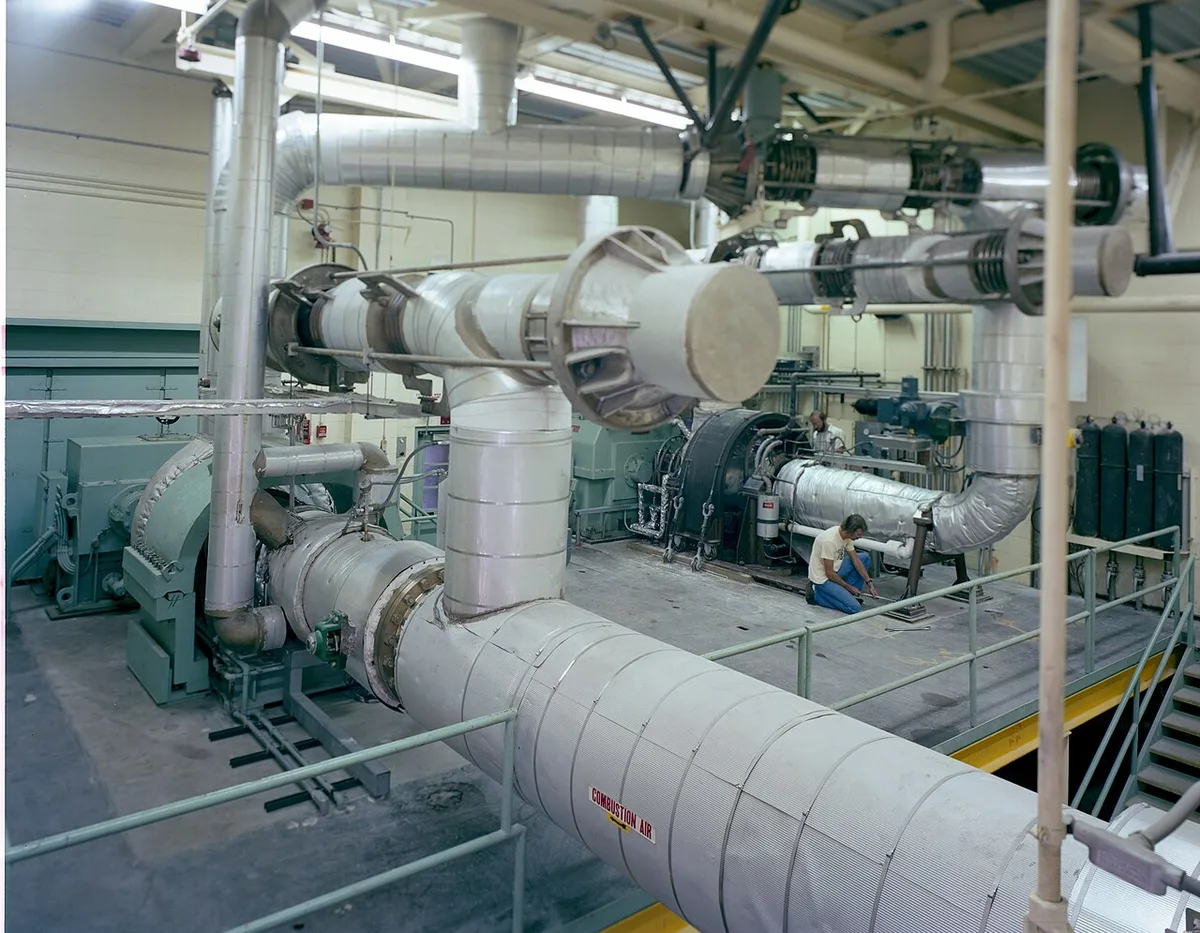
Image source: Wikimedia Commons / Unknown authorUnknown author or not provided
The biggest benefit is reduced brake wear, extending pad life on heavy trucks. Engine braking also cuts fuel use because the engine does most of the stopping work. On the downside, the system can be noisy and may add a little extra engine wear if used constantly.
Pros
- Extends brake pad life by up to 30 % on steep grades
- Lowers fuel consumption by 5‑10 % during long descents
- Provides smoother, more controlled deceleration
Cons
- Can produce loud exhaust noise, especially on diesel trucks
- Adds minor engine load when engaged for long periods
- May require driver training to use correctly
If you’re thinking about adding a light bar for better visibility, you’ll find that proper engine braking keeps your brakes ready for those extra stops.
Step‑by‑Step Process: Engaging, Managing, and Maintaining Engine Braking
Follow these steps to use the system safely and keep it in good shape. Each step is short and easy to remember.
- Engage the brake, press the engine brake switch or pull the lever, usually located near the steering wheel.
- Downshift, select a lower gear to let the engine handle more of the load.
- Monitor RPM, keep the engine in its effective range (often 1,500, 2,500 rpm) for best braking.
- Release smoothly, turn off the brake and gently press the accelerator to resume normal driving.
- Inspect regularly, check the exhaust valve and actuator for wear every 50,000 mi, and replace if needed.
Regular maintenance keeps the system reliable, just like changing the filter keeps the transmission healthy. If you need to tighten lug nuts after a long downhill run, a quick visit to the shop ensures everything stays secure.
Benefits & Drawbacks: When Engine Braking Saves Fuel and Brakes
The biggest benefit is reduced brake wear, extending pad life on heavy trucks. Engine braking also cuts fuel use because the engine does most of the stopping work. On the downside, the system can be noisy and may add a little extra engine wear if used constantly.
Pros
- Extends brake pad life by up to 30 % on steep grades
- Lowers fuel consumption by 5‑10 % during long descents
- Provides smoother, more controlled deceleration
Cons
- Can produce loud exhaust noise, especially on diesel trucks
- Adds minor engine load when engaged for long periods
- May require driver training to use correctly
If you’re thinking about adding a light bar for better visibility, you’ll find that proper engine braking keeps your brakes ready for those extra stops.
Step‑by‑Step Process: Engaging, Managing, and Maintaining Engine Braking
Follow these steps to use the system safely and keep it in good shape. Each step is short and easy to remember.
- Engage the brake, press the engine brake switch or pull the lever, usually located near the steering wheel.
- Downshift, select a lower gear to let the engine handle more of the load.
- Monitor RPM, keep the engine in its effective range (often 1,500, 2,500 rpm) for best braking.
- Release smoothly, turn off the brake and gently press the accelerator to resume normal driving.
- Inspect regularly, check the exhaust valve and actuator for wear every 50,000 mi, and replace if needed.
Regular maintenance keeps the system reliable, just like changing the filter keeps the transmission healthy. If you need to tighten lug nuts after a long downhill run, a quick visit to the shop ensures everything stays secure.
FAQs: Common Questions About Engine Braking
Does engine braking damage the engine?
No, it adds a small load but is designed to handle it. Proper use keeps wear minimal.
Can I use engine braking on flat roads?
Yes, it helps slow the vehicle and saves brake pads, but it’s not needed for normal stopping.
Why is my exhaust louder when the brake is on?
The exhaust valve stays closed longer, creating a louder sound. It’s normal and doesn’t indicate a problem.
How often should I replace the engine brake components?
Check them every 50,000 mi and replace if wear exceeds manufacturer specs. Regular checks keep performance safe.
If you ever need to replace mirror glass after a mishap, you can find a guide on replacing mirror glass that’s just as straightforward.
