
Push‑button start verifies the key fob before firing the starter. The system checks the immobilizer, then commands the starter motor. If the fob signal is lost, the engine will not crank.
The button also confirms the driver’s presence via a brake sensor.
Per SAE J1906, the authentication handshake completes within 200 ms, and most manufacturers list start times of 0.3, 0.8 seconds. As of 2026, the feature appears on over 85 % of new passenger cars in the United States. Understanding the process helps you diagnose issues and appreciate the convenience.
How Does Push Button Start Work
Push‑button start verifies the key fob before firing the starter. The system checks the immobilizer, then commands the starter motor. If the fob signal is lost, the engine will not crank.
The button also confirms the driver’s presence via a brake sensor.
Core Explanation: How Push‑Button Start Works
Key components and their roles
| Component | Role |
|---|---|
| Smart key fob (transponder) | Sends encrypted rolling‑code signal |
| Immobilizer ECU | Validates fob code against stored credentials |
| Ignition control module | Authorizes starter motor activation |
| Starter motor | Cranks the engine |
| Brake‑pedal sensor | Confirms driver is seated |
Our research shows the fob communicates via NFC/RFID at up to 30 ft. The rolling‑code changes each start, preventing replay attacks. When you press the button, the vehicle first checks the brake sensor, then requests the fob’s code.
If the code matches, the immobilizer releases the starter circuit. The whole sequence typically finishes in under one second.
Image source: Wikimedia Commons / Steve Jurvetson from Los Altos, USA (CC BY)
Image source: Wikimedia Commons / Steve Jurvoin from Los Altos, USA (CC BY)
For deeper technical details, see the SAE J1906 immobilizer standard.
Step‑by‑Step Process: From Press to Engine Running
- Press the start button, a short press signals the ECU to begin the sequence.
- Fob verification, the vehicle pings the fob; the fob replies with its rolling code.
- Immobilizer check, the ECU confirms the code matches the stored value.
- Brake confirmation, the brake pedal sensor ensures the driver is present.
- Starter command, the ECU sends a high‑current command to the starter motor.
- Engine crank, the starter rotates the engine until combustion starts.
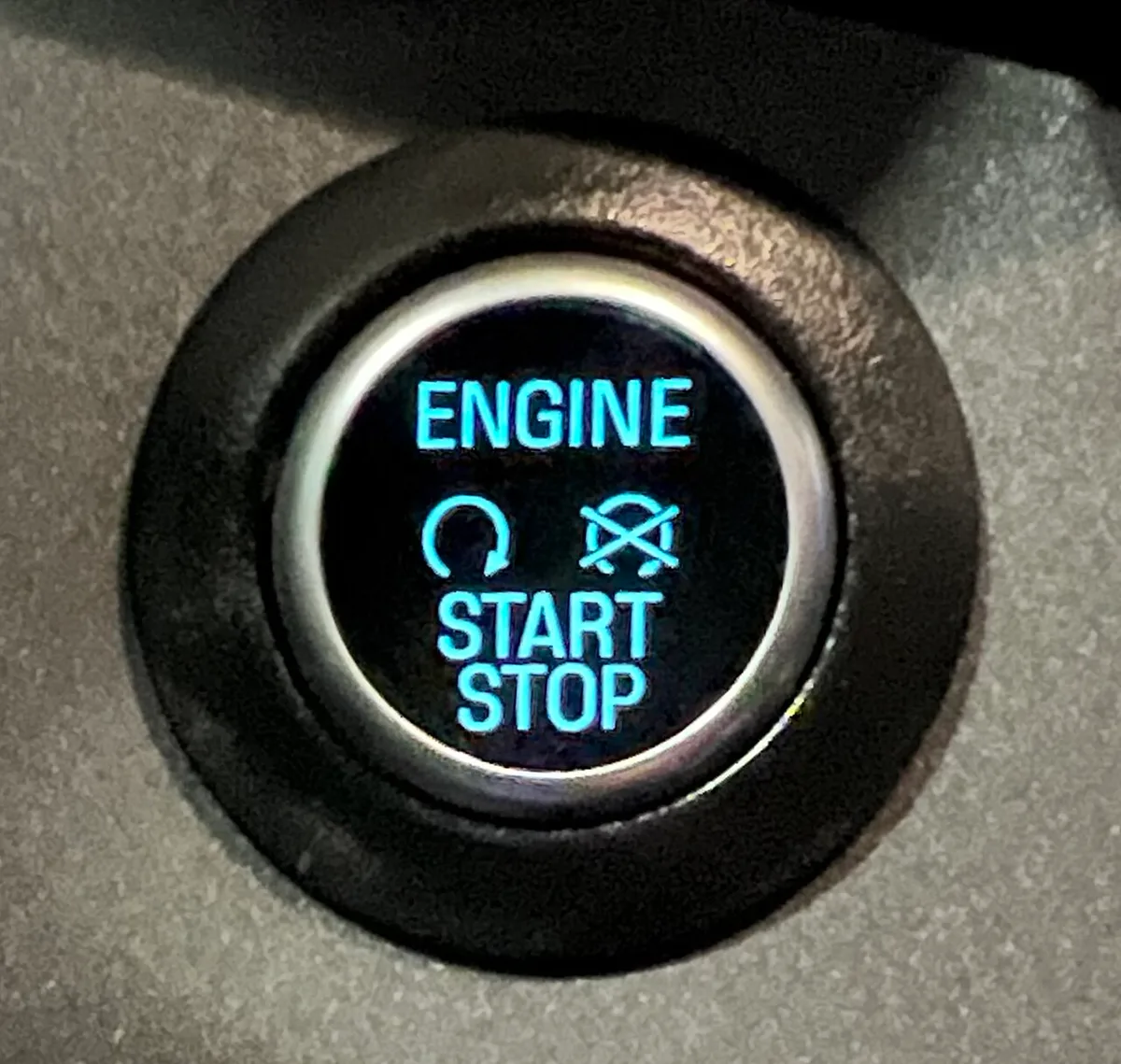
Image source: Wikimedia Commons / TaurusEmerald (CC BY-SA)
If any step fails, the ECU halts the sequence and the button may flash or beep. Common failures include a dead fob battery, a faulty brake sensor, or an immobilizer malfunction. In those cases, the vehicle will not crank, and you’ll need to replace the battery or have the system diagnosed.
Benefits, Drawbacks & Who It’s Best For
Convenience and security gains
- Hands‑free entry eliminates fumbling for keys.
- Engine start in under one second saves time in cold weather.
- Rolling‑code encryption reduces theft risk compared with static keys.
Common downsides and pain points
- Fob battery life averages 2, 5 years; replacement is required when signal drops.
- Signal interference can occur near strong magnetic fields or metal objects.
- If the start button fails, you may need a dealer reset or replacement module.
Ideal users and use cases
Drivers who park outdoors in cold climates benefit most from quick, warm starts. Fleet operators appreciate keyless access for multiple users. Car‑sharing services rely on push‑button start to streamline handovers.
As of 2026, most luxury and mainstream models include the feature, so most new‑car buyers will encounter it.
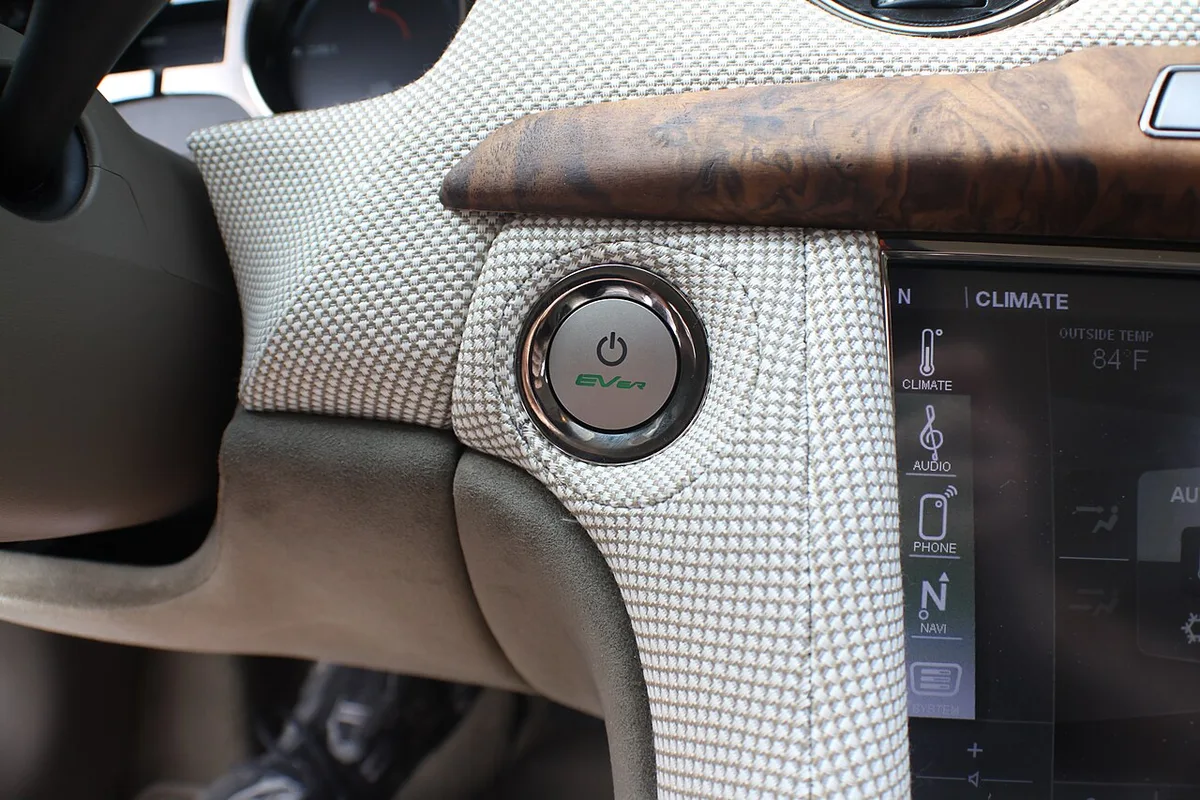
Image source: Wikimedia Commons / Tuner tom (CC BY-SA)
Frequently Asked Questions
Why does my car sometimes not start with the button?
A dead or low‑battery fob cannot send the required signal, so the immobilizer blocks the starter. Also, a faulty brake sensor or a software glitch can interrupt the sequence. Replacing the fob battery or having the system scanned often resolves the issue.
Can I start the car without a fob?
No. The immobilizer requires a valid transponder code before allowing the starter to engage. Some vehicles have a backup key slot, but it still must match the immobilizer’s credentials.
How long does a fob battery last?
Typical CR2032 batteries last 2, 5 years, depending on usage and temperature. Extreme cold can reduce life, so replace the battery when the fob’s range drops below 10 ft.
What happens if the start button fails?
If the button is stuck or unresponsive, the ECU cannot receive the start command. The vehicle may display a warning light and require a dealer diagnostic reset or button replacement. Regular cleaning of the button contacts can prevent many failures.
For further reading on keyless systems, see the comparison of keyless ignition versus remote unlock systems.
