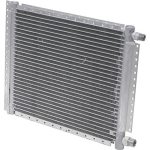

Your car’s air conditioning system plays an important role in keeping the cabin comfortable, especially during hot weather. One of the key components of that system is the AC condenser. When the condenser becomes damaged, clogged, corroded, or inefficient, the air conditioning system may struggle to produce cold air.
If you need to replace your vehicle’s condenser, choosing the right one is important. A condenser that does not properly fit your vehicle or meet the required specifications can lead to installation problems, poor cooling performance, or premature failure.
Fortunately, you do not always have to choose an original equipment manufacturer (OEM) part. A quality aftermarket AC condenser can also provide reliable performance when you select the correct product.
Factors to Consider Before Buying an AC Condenser
1. Confirm Your Vehicle’s Exact Fitment
The first and most important step is confirming that the condenser is compatible with your vehicle.
Do not choose a condenser simply because it looks similar to the one already installed in your car. Condensers can differ in dimensions, mounting points, connections, tube configuration, and other specifications.
Check important details such as:
- Vehicle make and model
- Model year
- Engine type
- Engine size
- Trim level
- Refrigerant type
- Existing condenser specifications
- OEM or manufacturer part number
Using your vehicle’s VIN can also help identify the correct replacement part.
A proper fit makes installation easier and helps ensure that the condenser works correctly with the rest of the AC system.
2. Compare the Dimensions
AC condensers come in different sizes. Before purchasing one, compare its dimensions with the original unit.
Pay attention to:
- Overall height
- Overall width
- Thickness
- Mounting locations
- Inlet and outlet positions
- Connection sizes
Even a small difference in dimensions can make installation difficult.
If you are purchasing online, carefully review the manufacturer’s fitment information and product specifications rather than relying only on product photos.
3. Consider the Condenser Material
The material used to manufacture an AC condenser can affect its durability and heat-transfer performance.
Many modern condensers are made from aluminum because it is lightweight and provides good heat-transfer characteristics. However, manufacturing quality can vary between brands and products.
Look for a condenser with good-quality construction, properly formed tubes, secure connections, and clean finishing.
A well-constructed unit should be able to handle normal operating conditions while efficiently transferring heat from the refrigerant.
4. Check Cooling Performance
The main job of the condenser is to release heat from the refrigerant before it continues through the AC system.
For this reason, cooling performance is an important consideration.
A good replacement condenser should be designed to provide appropriate airflow and heat dissipation for your specific vehicle.
Factors that can influence performance include:
- Condenser size
- Tube and fin design
- Fin density
- Airflow
- Overall construction
- Compatibility with the vehicle’s AC system
However, remember that poor cabin cooling is not always caused by the condenser. Low refrigerant, a failing compressor, a restricted expansion valve, electrical problems, or a faulty cooling fan can also cause AC problems.
5. Look at Build Quality
Price should not be the only factor when comparing aftermarket condensers.
Two products may look similar but have different levels of manufacturing quality.
Before buying, look for information about:
- Materials
- Manufacturing standards
- Weld quality
- Fin and tube construction
- Corrosion resistance
- Pressure testing
- Warranty coverage
A slightly more expensive condenser from a reputable manufacturer may provide better long-term value than the cheapest available option.
6. Check the Refrigerant Compatibility
Different vehicles can use different refrigerants, depending on their design and model year.
Make sure the replacement condenser is compatible with the refrigerant and AC system used by your vehicle.
Using the wrong component can create compatibility problems and may affect the operation of the entire system.
If you are unsure which refrigerant your vehicle requires, check the vehicle’s owner’s manual or the information provided on the AC system.
7. Consider Installation Requirements
Before purchasing a condenser, check whether the replacement unit is designed as a direct-fit component.
A direct-fit condenser is generally designed to match the original mounting locations and connections.
Also check whether additional components are required during installation, such as:
- O-rings
- Mounting hardware
- Seals
- Brackets
- Refrigerant-related components
Professional installation may be necessary because automotive AC systems are pressurized and require proper evacuation, leak testing, and refrigerant charging.
8. Check Warranty Coverage
A warranty can provide additional protection when purchasing an aftermarket AC condenser.
Warranty periods vary between manufacturers and sellers. Before buying, understand what the warranty covers and whether installation requirements apply.
Also keep your purchase receipt and installation documentation if required by the seller or manufacturer.
9. Read Reviews Carefully
Customer reviews can provide useful information, particularly when buying online.
Look for reviews that discuss:
- Actual fitment
- Installation experience
- Cooling performance
- Product quality
- Long-term durability
However, do not rely on star ratings alone. Read individual reviews and look for feedback from people with the same vehicle or a similar application.
10. Compare Several Aftermarket Options
There are many aftermarket AC condensers available, and quality can vary considerably.
Instead of choosing the first inexpensive option you find, compare several products based on:
- Compatibility
- Construction quality
- Manufacturer reputation
- Warranty
- Price
- Customer feedback
- Product specifications
If you are currently comparing replacement options, you can also check our guide to the Best Aftermarket AC Condenser for a closer look at important features and buying considerations.
Final Thoughts
Choosing the right AC condenser involves more than finding a product that fits your budget. You need to make sure the condenser is compatible with your vehicle, properly sized, well constructed, and designed to provide appropriate cooling performance.
Start by confirming your vehicle’s exact fitment and OEM part number. Then compare dimensions, materials, construction quality, refrigerant compatibility, warranty, and customer feedback.
A quality aftermarket AC condenser can be a practical replacement when it is correctly matched to your vehicle and installed properly. Taking the time to research your options before purchasing can help you avoid compatibility problems and get reliable performance from your car’s air conditioning system.