
Cleaning a car battery restores reliable starts and prevents costly replacements. In our research, drivers who clean terminals every six months report fewer no‑start incidents. The process removes lead sulfate buildup that interferes with voltage flow.
This guide walks you through safe, effective steps.
Per SAE J537, terminal torque should be 5, 8 ft‑lb for proper connection. Ignoring corrosion can drop voltage below 12.2 V, especially in cold weather. Regular maintenance also extends battery life by up to 12 months.
Follow the steps below to keep your vehicle running smoothly.
How to Clean a Car Battery
Clean corroded terminals using a baking soda paste. Rinse the paste with distilled water. Dry the posts completely before reattaching cables.
Reconnect negative first, then positive, and torque to spec. Check voltage after cleaning to confirm proper connection. Perform this maintenance every six months for optimal performance.
Problem / Pain Point
Corrosion appears as white, green, or blue deposits on battery posts. It forms when sulfuric acid reacts with lead, creating lead sulfate that resists current flow. Symptoms include dim lights, slow engine crank, or a dead battery after a short idle.
If you notice voltage below 12.2 V, cleaning is required.
Common signs:
- White powdery coating on positive post
- Green or blue crystals on negative post
- Difficulty starting after a cold night
Following correct torque values helps avoid loose connections. correct torque values ensures each nut is snug but not over‑tightened. Safe handling practices reduce the risk of acid burns.
safe handling practices keep you away from hazardous fumes. Electrical safety tips remind you to disconnect the negative cable first. electrical safety tips protect both you and the vehicle’s electronics.
Core Explanation / How Battery Cleaning Works
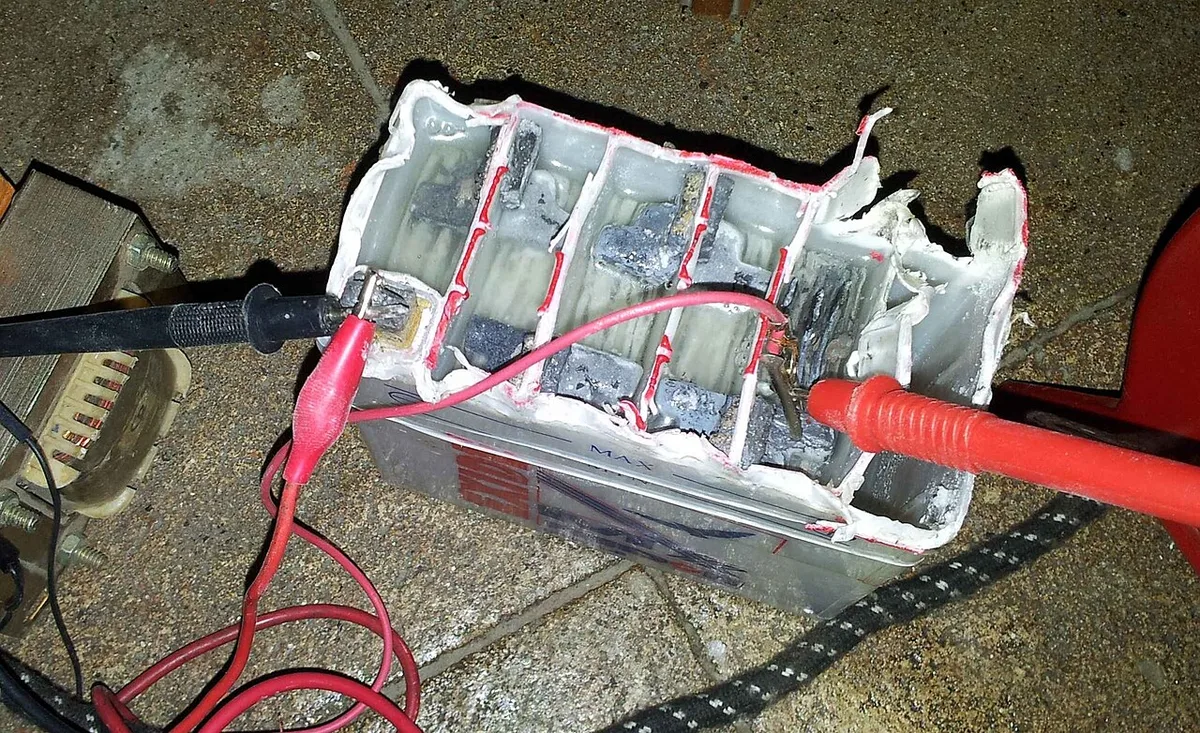
Battery terminals are made of lead alloy that contacts sulfuric acid inside the cell. Over time, acid oxidizes the lead, forming insoluble lead sulfate that blocks electrical contact. Cleaning with a baking soda solution neutralizes the acid and dissolves the sulfate, restoring a clean metal surface.
Proper drying removes moisture that could cause new corrosion.
Proper fluid handling mirrors other vehicle maintenance tasks. proper fluid handling ensures you work cleanly and safely. Using the right brush and pulling tool prevents damage to the terminal plating.
proper tool use keeps the posts intact and maintains torque integrity. After cleaning, re‑torque to manufacturer spec to ensure a secure connection.
Step-by-Step Process / How to Clean a Car Battery
Gather tools and materials before you begin.
| Item | Purpose | Typical Cost |
|---|---|---|
| Baking soda | Neutralizes acid, dissolves corrosion | $0.50 |
| Distilled water | Rinses residue without minerals | $0.20 |
| Wire brush or pad | Removes stubborn deposits | $5‑$10 |
| Terminal puller | Safely removes clamps | $8‑$12 |
| Nitrile gloves | Protects skin from acid | $2‑$4 |
| Safety goggles | Shields eyes from splashes | $3‑$5 |
Steps:
- Park vehicle on a flat surface, engage the parking brake, and turn off the engine.
- Wear gloves and goggles; work in a well‑ventilated area.
- Loosen and remove the negative cable first, then the positive cable.
- Use the puller to detach terminal clamps without bending posts.
- Mix 2 tablespoons baking soda with 1 cup distilled water; apply with a brush.
- Let the solution sit 2, 3 minutes, then scrub until deposits disappear.
- Rinse with distilled water and dry posts with a clean cloth.
- Re‑attach terminals, torque to 5, 8 ft‑lb, and reconnect cables in reverse order.
- Start the engine and verify voltage reads around 12.6 V.
Safety / Legal / Compliance / Warnings
Always wear PPE: gloves, goggles, and a face shield to block acid splashes. Work outdoors or in a garage with open doors to avoid inhaling fumes. Neutralize any spilled acid with baking soda before cleanup.
Dispose of rinse water according to local hazardous waste regulations.
OSHA PPE guidelines provide detailed requirements for personal protective equipment. OSHA PPE guidelines should be followed for any battery work. EPA guidelines state that used battery acid must be taken to a recycling center, not poured down drains.
Keep children and pets away from the work area at all times. As of 2026, most auto parts stores accept used batteries for proper disposal.
