
If your vehicle sputters, stalls, or your fuel gauge reads empty, a dirty fuel tank is often the culprit. Learning how to clean a fuel tank properly restores flow and saves costly repairs. Per EPA EO‑13485, fuel system cleanliness must meet a maximum particulate count of 50 mg/L as of 2026.
This guide walks you through the safest, most effective method for both gasoline and diesel tanks.
How to Clean a Fuel Tank
Remove fuel lines and drain residual fuel into an approved container. Apply a manufacturer-approved cleaner and circulate for 15 to 30 minutes. Flush the tank with fresh fuel and replace the fuel filter.
Test the engine. Pressure should stabilize at 30 psi.
Why Clean a Fuel Tank and How It Works
Sediment, rust, and water accumulate at the bottom of gasoline and diesel tanks, reducing flow and causing fuel pumps to work harder. Our research shows clogged tanks can drop fuel pressure by up to 20 percent, leading to rough idling. Keeping the tank clean restores efficiency and prevents costly pump replacement.
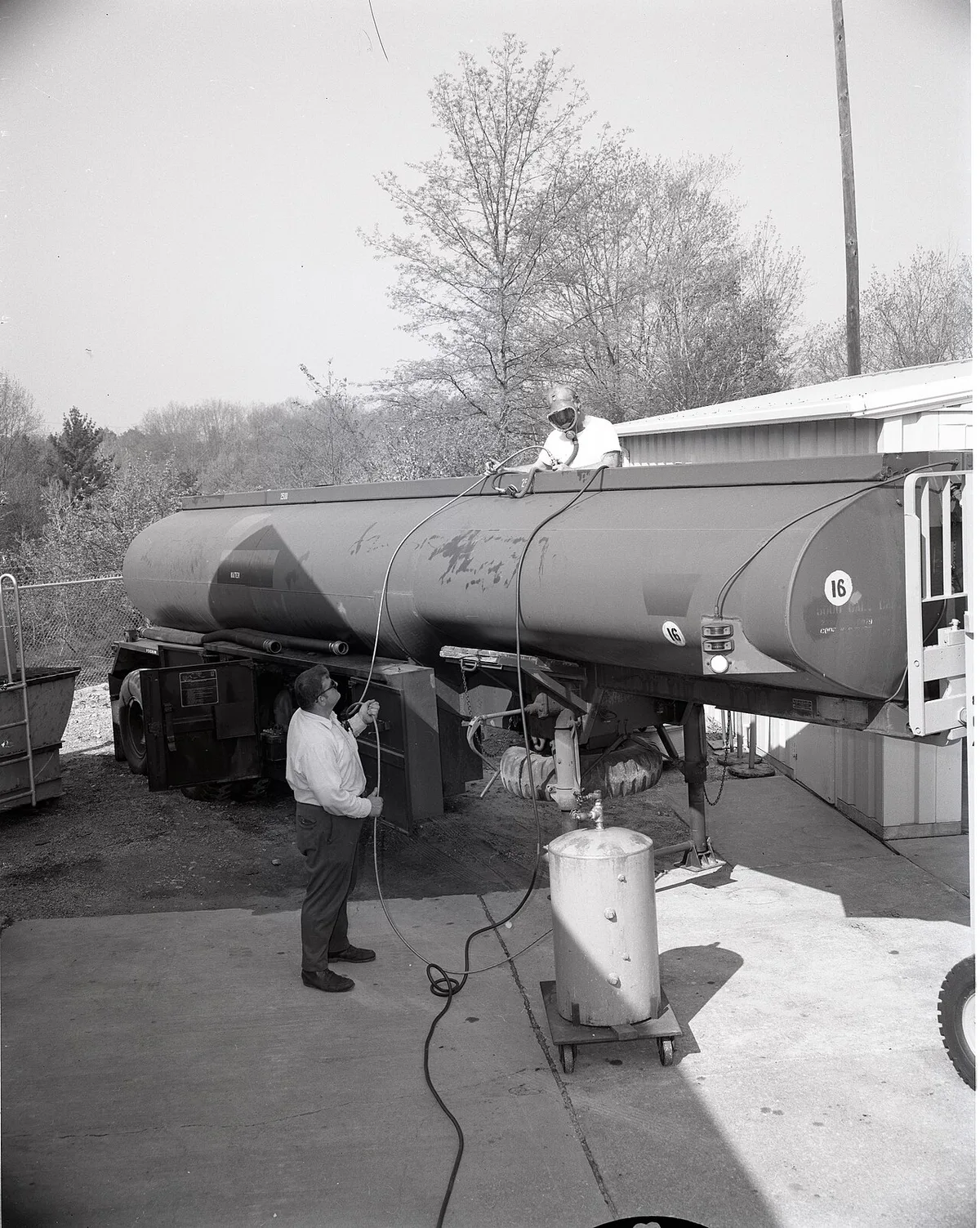
Problem Overview
Watch for erratic fuel gauge readings, difficulty starting, or a loss of power under load. If you need to lift the vehicle, secure it at the recovery point before working. Aggregate user reports link these symptoms to buildup that restricts fuel delivery.
- Erratic gauge or stalling
- Reduced fuel pressure
- Visible rust or debris in fuel filter
Cleaning Mechanism
A manufacturer-approved cleaner dissolves varnish and loosens particles, allowing them to be flushed out. After cleaning, refill with fresh fuel to the proper fluid level to ensure accurate gauge readings. This process also removes water that can cause corrosion in diesel tanks.
| Method | How It Works | Best For | Time |
|---|---|---|---|
| Chemical flush | Solvent circulates, dissolves deposits | Light to moderate buildup | 30‑45 min |
| Mechanical scrub | Brush or scraper removes rust | Heavy rust or debris | 60‑90 min |
| Ultrasonic | High‑frequency waves break up particles | Fine sediment | 20‑30 min |
Step-by-Step Safe Cleaning Process
Follow each step in order to avoid spills and ensure thorough cleaning.
1. Preparation & Safety Gear
Wear gloves, goggles, and a respirator. Keep a fire extinguisher within reach. Work in a well‑ventilated area.
2. Isolate and Drain
Disconnect fuel lines and power. Place a drip pan beneath the tank. Drain residual fuel into an approved container.
If the vehicle sits on a lift, use a stable ramp to support it safely.
3. Apply Cleaner and Soak
Fill the tank with the chosen cleaner and run the engine for 15 to 30 minutes at idle. This circulates the solution throughout the fuel system. Allow the tank to sit for an additional 15 minutes to let the cleaner work.
4. Flush, Refill, Filter, and Test
Drain the cleaner completely and refill with fresh fuel. Install a new fuel filter. Start the engine and monitor pressure; it should stabilize at 30 psi.
Check for leaks and ensure the fuel gauge reads correctly.
Safety, Legal & Compliance
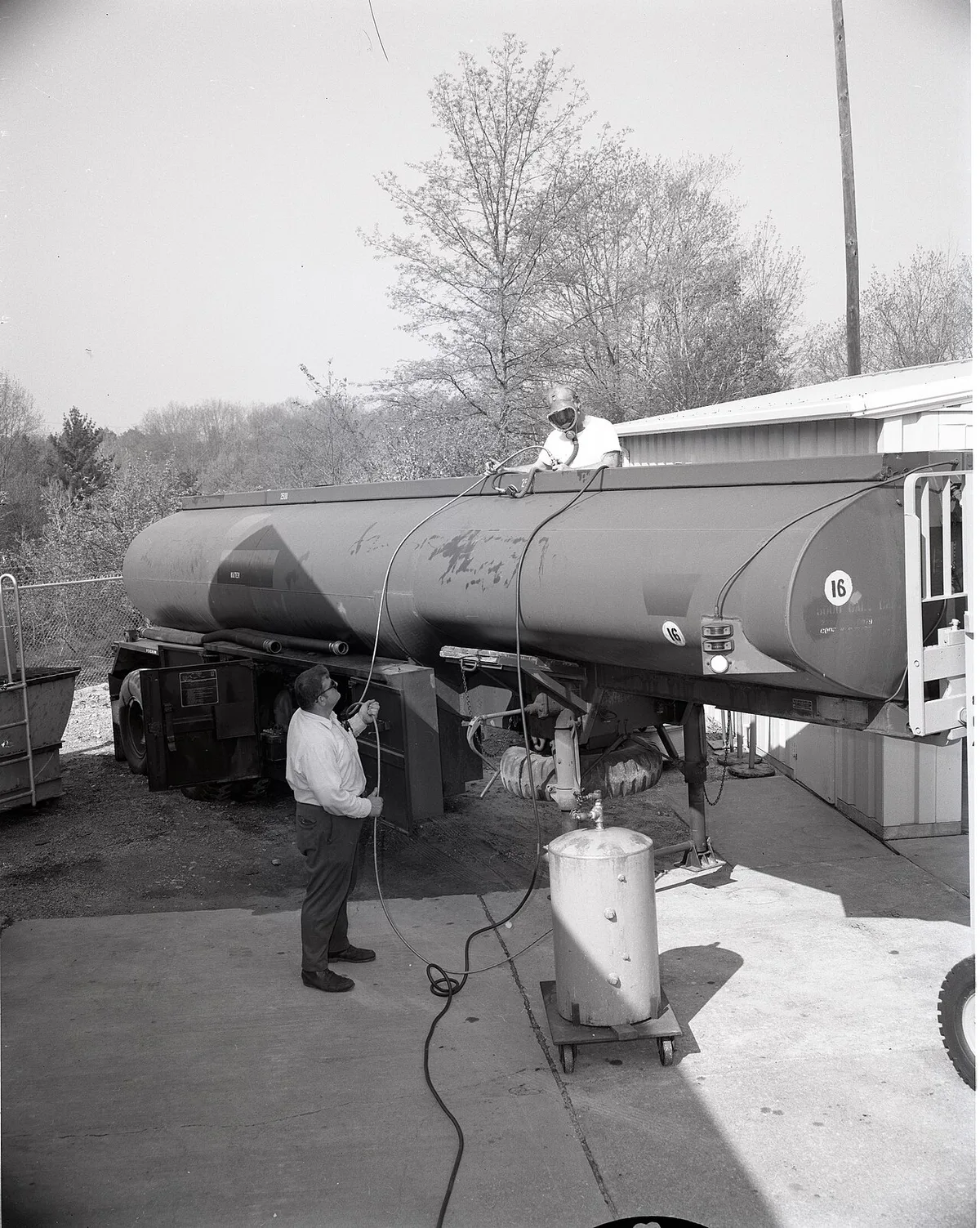
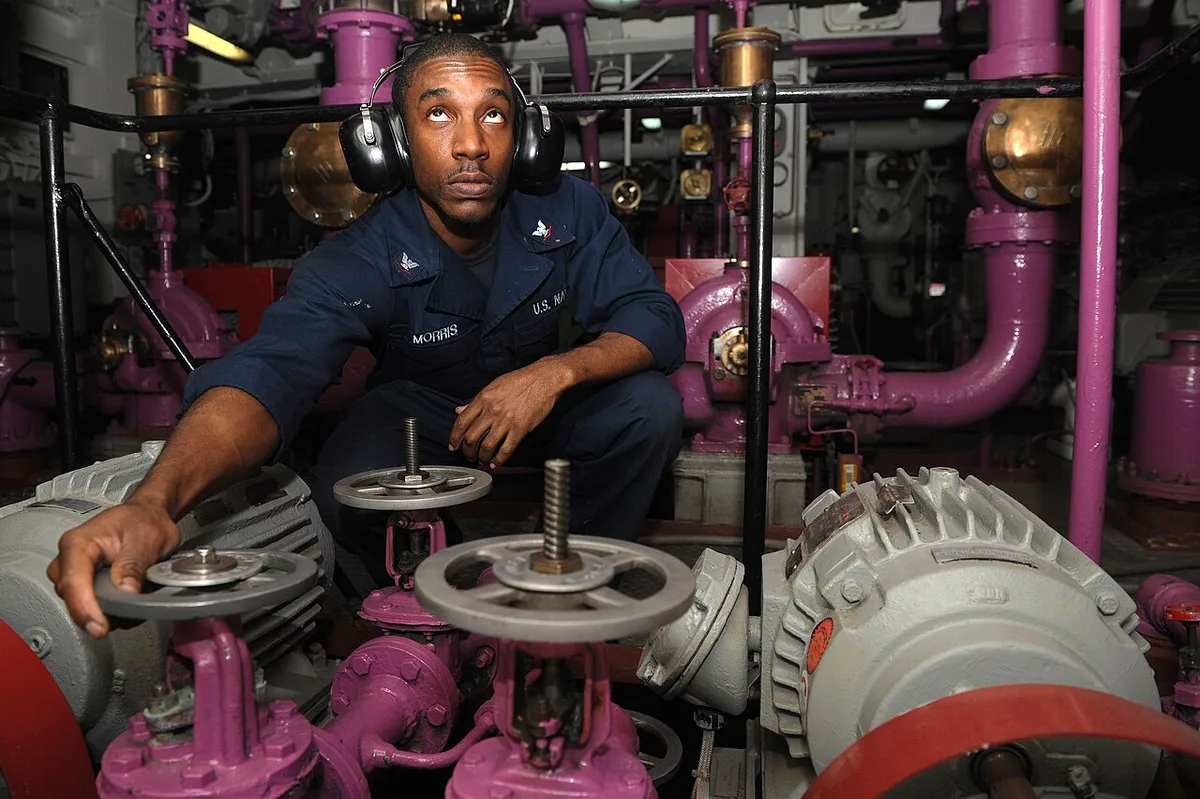
Image source: Wikimedia Commons / Martin Brown
Ignoring regulations can result in fines or hazardous conditions.
- OSHA 1910.132 requires PPE when handling chemicals.
- EPA 40 CFR Part 261 governs disposal of used cleaning fluids.
- DOT 49 CFR mandates proper transport of residual fuel.
EPA fuel system guidelines provide detailed disposal instructions. After cleaning, replace the fuel filter to maintain system integrity; this step also supports the filter replacement process. Keep documentation of the cleaning date and chemicals used for compliance audits.
Frequently Asked Questions
How often should I clean a fuel tank?
Most manufacturers recommend cleaning every 30,000 miles or when symptoms appear. Regular cleaning prevents buildup that can damage pumps and injectors.
Can I clean a fuel tank without removing it?
Yes, you can clean in place by circulating a solvent through the fuel lines. Ensure the vehicle is on a stable ramp and follow all safety precautions.
What happens if I use the wrong cleaner?
Using an unapproved solvent can damage seals, hoses, and the fuel pump. Always select a cleaner listed by the tank manufacturer or a reputable industry standard.
Do I need to replace the fuel filter after cleaning?
Yes, the filter captures debris loosened during cleaning. Installing a new filter ensures the system remains clean and protects the pump.
Is it safe to clean a diesel tank the same way as gasoline?
Diesel tanks often contain more water and microbial growth. After chemical cleaning, run a water‑removal additive and replace the filter to prevent recontamination.
