
If you’re searching for how to fix a car power outlet that wont work, start by checking the fuse in the interior box. Most 12‑V outlets rely on a 15‑A fuse, and a blown fuse is the most common cause. Per SAE J1284, the outlet should read about 12.6 V when the engine runs.
Knowing this helps you decide whether to replace the fuse or dig deeper.
The quick fix is simple: replace a blown fuse, then test voltage at the socket with a multimeter. If the fuse is fine, inspect the contacts for corrosion. Cleaning them often restores power.
If still dead, a bad ground or broken socket may be the culprit.
How to Fix a Car Power Outlet That Wont Work
Check the 15‑A fuse in the interior box. If blown, replace with same‑rating fuse. Then test voltage at the socket with a multimeter.
If still no power, clean corroded contacts.
Problem / Pain Point & How It Works
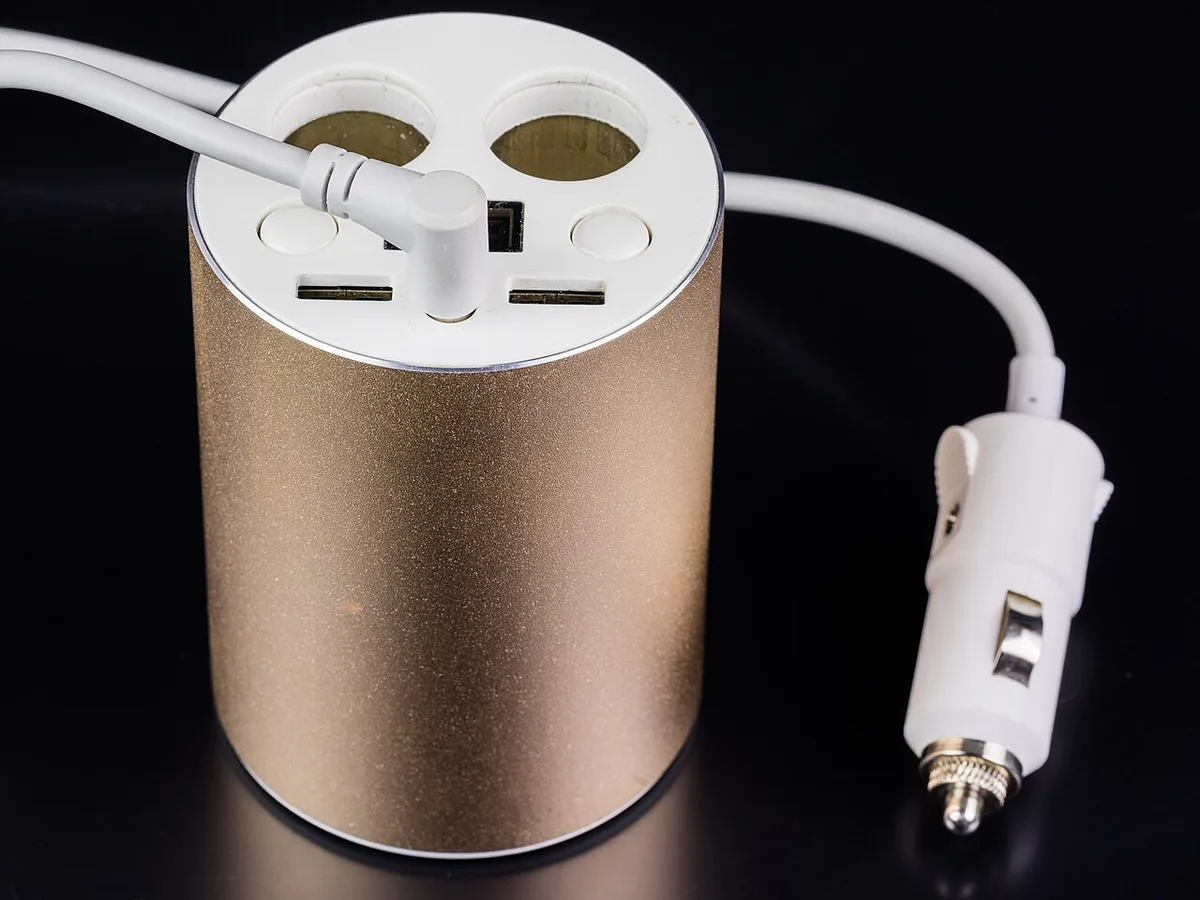
Image source: Wikimedia Commons / Raimond Spekking (CC BY-SA)
Common symptoms include a dead phone charger, flickering LED, or no voltage reading. The outlet can fail because the fuse blows from overload, contacts corrode from moisture, or the ground connection loosens. Overloaded circuits exceed the 15‑A rating, while a poor ground creates voltage drop under load.
Knowing the cause guides the repair.
| Tool / Material | Why You Need It |
|---|---|
| Multimeter (0‑20 V DC) | Verify voltage and fuse continuity |
| 15‑A fuse puller | Safely remove and replace fuses |
| Electrical contact cleaner | Remove corrosion on pins |
| Trim removal tool | Access socket without damage |
| New 15‑A fuse (OEM part) | Direct replacement for blown fuse |
If the fuse is intact but voltage is low, check the ground strap for tightness. A loose ground often looks fine but fails under load. For stubborn corrosion, spray contact cleaner and let it dry before reinserting the socket.
When the socket itself is cracked or the retainer clip is broken, replace the entire assembly.
Step-by-Step Process / How to Guide
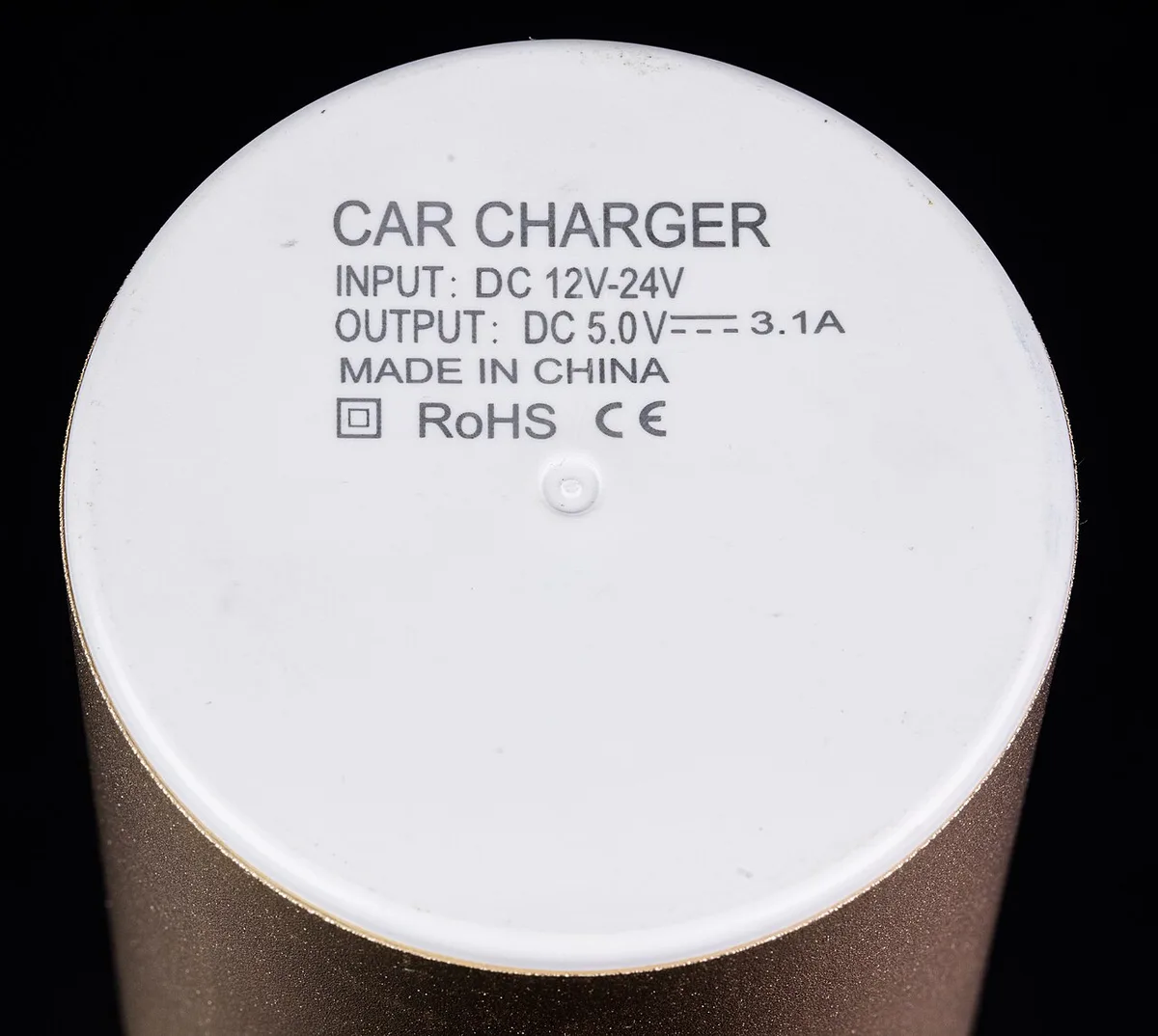
Image source: Wikimedia Commons / Raimond Spekking (CC BY-SA)
Start by disconnecting the negative battery terminal to avoid shorts. Locate the interior fuse box under the dash and pull the 15‑A fuse for the outlet. Use a multimeter to confirm the fuse is blown (no continuity).
Replace it with a new 15‑A fuse of the same rating.
Next, remove the outlet housing with a trim tool, being careful not to damage the wiring harness. Inspect the contacts; spray electrical contact cleaner and wipe away any corrosion. Check the ground wire for corrosion or looseness and clean or tighten as needed.
Reinstall the socket, secure the retainer clip, and reconnect the battery.
Finally, test the outlet with a phone charger or a 12‑V test light. If power returns, you’re done. If not, repeat the inspection or consider replacing the socket assembly entirely.
Safety / Legal / Compliance / Warnings
Always disconnect the battery before touching any wiring to prevent electric shock. Use insulated tools and wear gloves when working near the fuse box. Do not exceed the 15‑A load rating; adding multiple high‑draw devices can blow the fuse repeatedly.
Follow SAE J1284 guidelines for proper fuse selection and grounding. If you’re unsure about any step, consult a certified technician.
Frequently Asked Questions
Why does my car outlet work only when the engine is running?
When the engine is off, the alternator isn’t supplying voltage, so the outlet may rely on a weak battery connection. A loose ground or a partially blown fuse can cause this intermittent behavior. Tighten the ground strap and replace the fuse if needed.
Can I use a higher‑amp fuse to fix a dead outlet?
No. Using a higher‑amp fuse bypasses the protection and can cause wiring damage or fire. The 15‑A rating is set by the manufacturer to match the outlet’s design.
Stick to the specified fuse rating.
What if the outlet still doesn’t work after replacing the fuse?
Check for corrosion on the contacts and the ground wire. If corrosion persists, clean with contact spray and re‑test. If the socket housing is cracked or the retainer clip is broken, replace the entire assembly.
Do I need special tools to replace a car power outlet?
Basic tools are enough: a trim removal tool, a fuse puller, and a multimeter. No specialized equipment is required for most models. Keep the tools clean and insulated for safety.
Is it safe to install a new outlet myself?
Yes, if you follow safety steps: disconnect the battery, use insulated tools, and observe the fuse rating. If you’re uncomfortable with wiring, a professional can finish the job quickly.
