
Ever wondered why the battery light on your dash suddenly glows? In our research, it signals a charging system issue that needs immediate attention. Ignoring it can leave you stranded and damage the battery.
As of 2026, manufacturers still use this simple visual cue.
A loose terminal or a failing alternator can drop voltage below the SAE J1287 minimum of 13.5 V at idle, triggering the warning. Check the battery terminals for corrosion and ensure the belt is tight before you drive further. If the light stays on, a multimeter test will confirm whether the issue is the battery or the charging system, so proceed to the diagnostic workflow.
Problem / Pain Point
The battery warning light appears when the charging system cannot maintain the minimum voltage required by SAE J1287. This typically happens at idle or when the engine is off. Common triggers include a loose or corroded battery terminal, a worn alternator belt, or a failing voltage regulator.
A faulty alternator diode can also drop output below the 13.5 V threshold.
- Loose or corroded battery terminals
- Alternator belt slippage or breakage
- Faulty voltage regulator or diode
- Battery cell failure or low state‑of‑charge
If you ignore the light, the battery can drain completely, leaving the vehicle unable to start. According to NHTSA safety standards, a dead battery can also cause sudden loss of power steering and brakes. When inspecting, first check the battery terminals for corrosion and tighten them to the manufacturer’s torque spec.
For proper values, see tightening lug nuts safely.
Why Is the Battery Light On
The battery light signals a charging system fault. It means the alternator isn’t delivering enough voltage. A loose terminal or faulty regulator can trigger it.
Low voltage drops the battery’s state of charge. Check voltage with a multimeter before driving further.
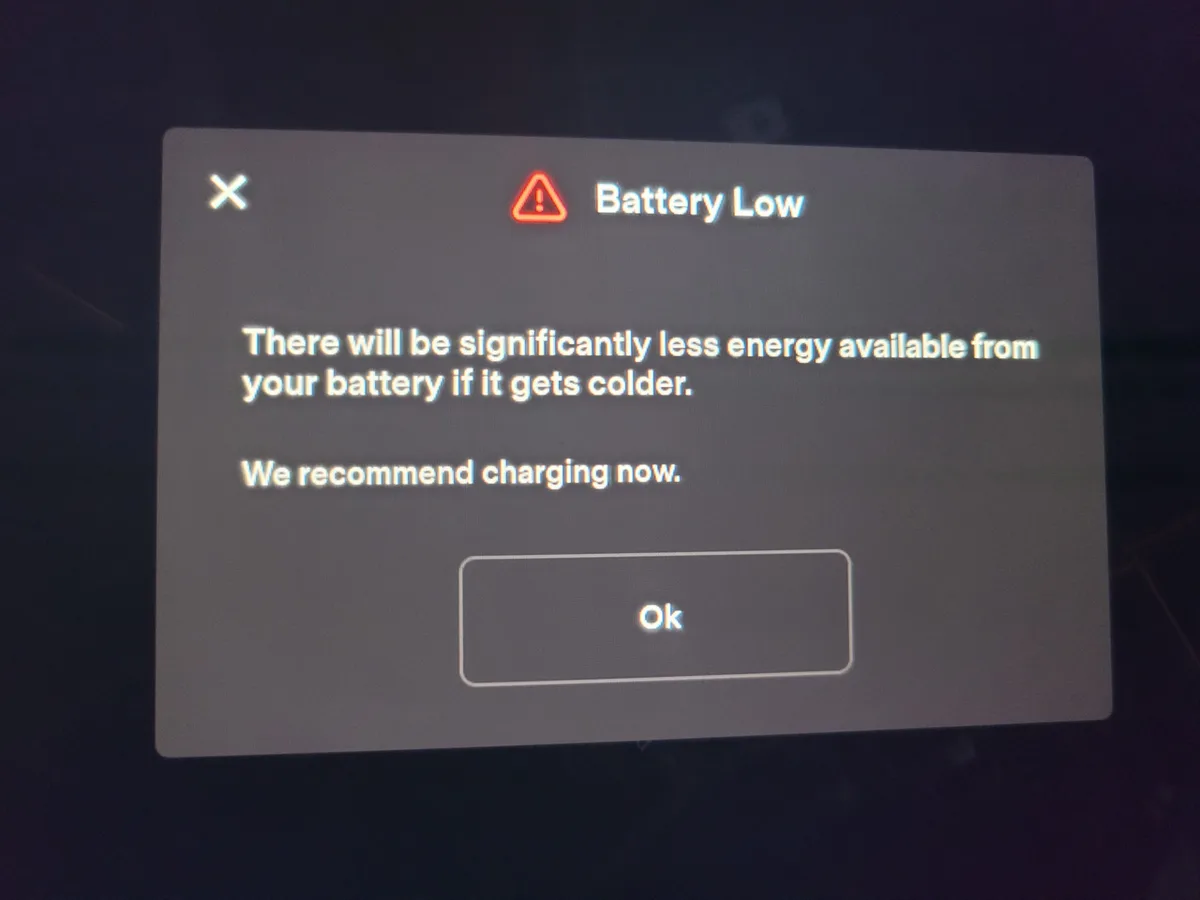
Image source: Wikimedia Commons / Curlyrnd (CC BY-SA)
Image source: Wikimedia Commons / Veredai from Powermat Technologies (CC BY-SA)
When the light stays on, start by inspecting the battery terminals and the alternator belt. If the terminals are clean and the belt is tight, perform a voltage test at idle. For exact voltage thresholds, refer to the SAE J1287 standard.
Step-by-Step Process / How to Guide
Start the diagnostic by confirming the light is illuminated with the engine off. Then turn the key to the ON position and observe whether the light stays on or turns off. If it remains lit, proceed to the voltage test described next.
You’ll need the following items to complete the test.
| Item | Purpose | Typical Spec |
|---|---|---|
| Digital multimeter | Measure battery voltage | 0–20 V DC |
| Socket set | Remove alternator bolts | 10 mm/12 mm |
| Torque wrench | Tighten belt to spec | 50 Nm |
| OBD‑II scanner | Read fault codes | Any model |
- Turn off the engine and disconnect the negative battery cable.
- Set the multimeter to DC volts and touch the red probe to the positive terminal and the black probe to ground.
- Start the engine and read the voltage at idle; it should be between 13.5 V and 14.5 V per SAE J1287.
- If voltage is low, inspect the alternator belt for wear and tighten to the manufacturer’s spec.
- If the belt is fine, test the alternator output with a load test. Alternatively, scan for OBD‑II codes using a scanner. For guidance, see choosing an OBD‑II scanner.
- Replace the alternator or regulator if the output remains below spec.
If the battery still won’t hold charge after the alternator is replaced, the battery may need replacement. For safety, keep a recovery point location reference in your glove compartment in case you need roadside assistance. Learn where to place a recovery point in the guide on recovery point location.
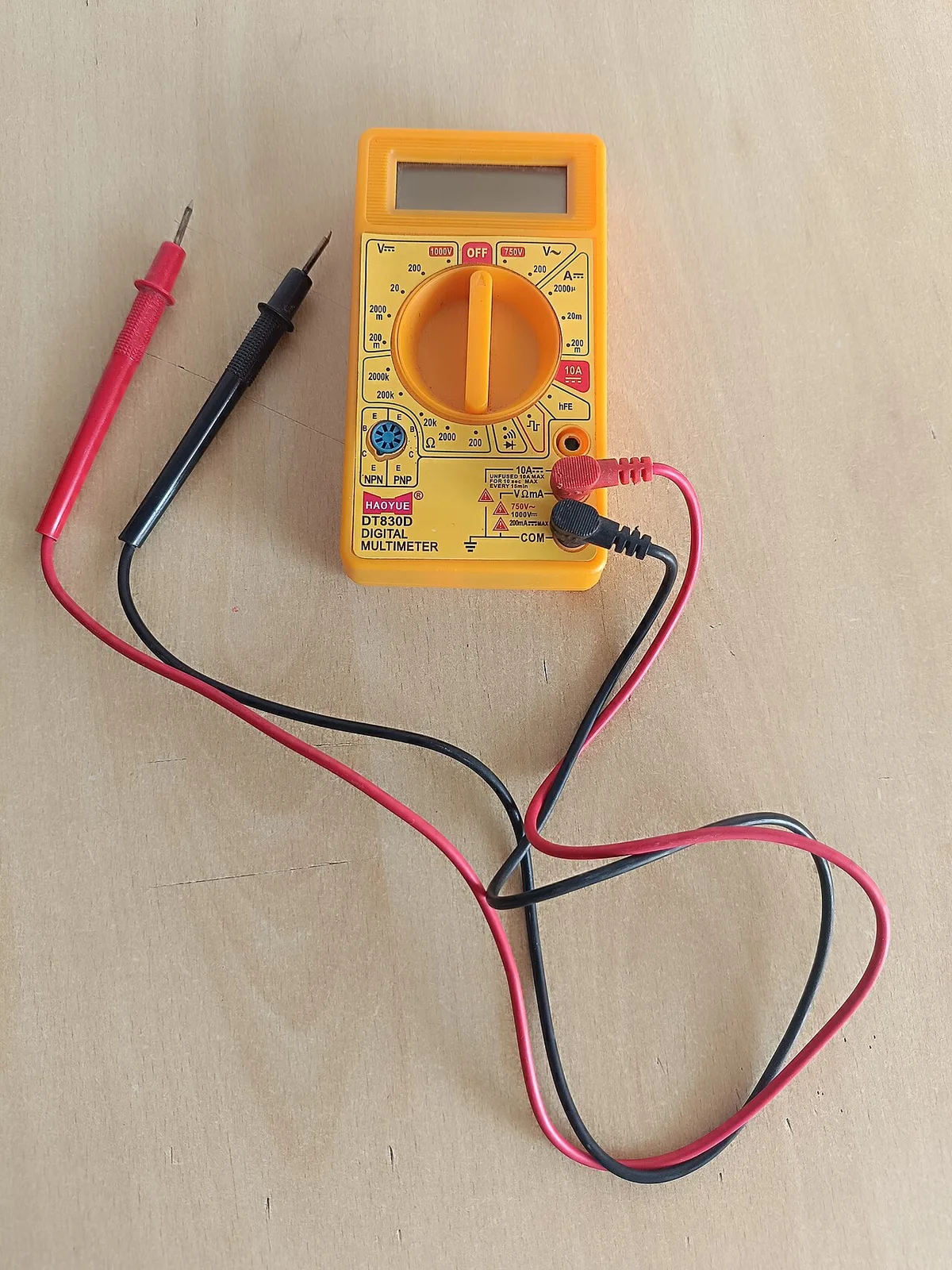
Image source: Wikimedia Commons / K.Venkataramana
Mistakes to Avoid / Common Errors
Many drivers make the mistake of assuming the battery light will turn off on its own. In reality, the issue usually requires a visual inspection before any repair. Skipping the terminal check can lead to unnecessary alternator replacement.
Always verify connections first to avoid costly errors.
- Ignoring terminal corrosion and assuming the battery is dead
- Replacing the alternator without testing voltage first
- Using a multimeter on the wrong setting (AC instead of DC)
- Driving with the light on for more than a few minutes
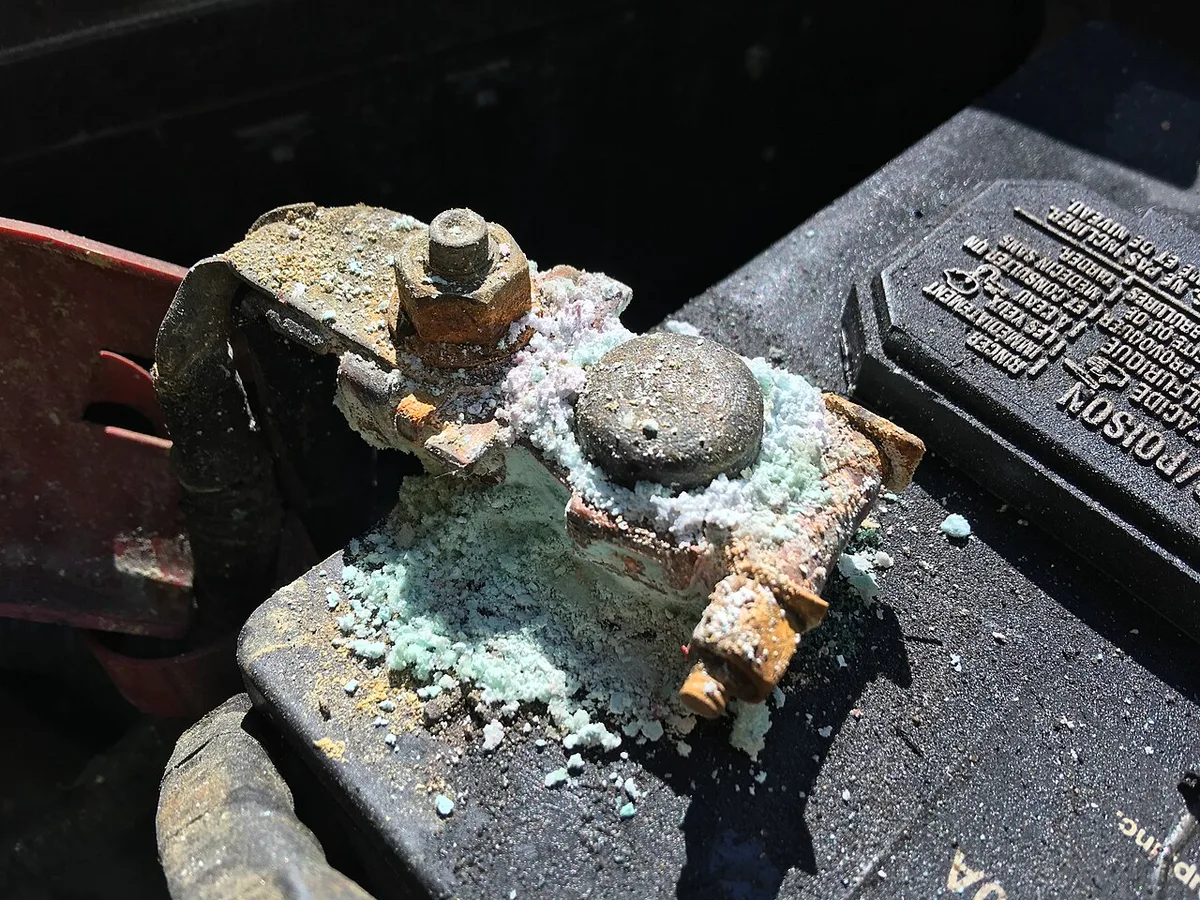
Image source: Wikimedia Commons / MarkBuckawicki
If you replace the battery without confirming the charging system is healthy, the new battery may fail within weeks. Dispose of the old battery according to EPA battery recycling guidelines to protect the environment. For further help, see the guide on starter fluid use when diagnosing hard‑starting engines.
Frequently Asked Questions
Why does the battery light stay on after I replace the alternator?
The light can stay on if the new alternator still doesn’t meet voltage specs or if the voltage regulator is faulty. Verify the belt tension and scan for OBD‑II codes. For diagnostic procedures, refer to the SAE J1287 standard.
If the issue persists, the battery may also need replacement.
Can I drive with the battery light illuminated?
Driving with the battery light on is unsafe and can drain the battery completely. NHTSA safety standards warn that loss of power steering and brakes may occur. If you must move the vehicle, keep the engine running and limit distance to a few miles.
Arrange towing as soon as possible.
How much does a new alternator cost?
A new alternator typically costs between $300 and $600 for parts and labor. Prices vary by vehicle make and whether you use OEM or aftermarket units. Labor rates differ by region, so check local shops for accurate quotes.
For comparison, see lug nut price range when budgeting multiple repairs.
What are the signs of a failing alternator?
A failing alternator often shows dimming headlights, a whining noise, and voltage drops under load. The SAE J1287 standard defines acceptable voltage drop under load. If the belt is worn or the regulator is bad, the output will stay low.
Watch for these signs before replacing the unit.
How often should I check the battery terminals?
Check the battery terminals at least once a month, or more often in harsh climates. Corrosion can mimic a charging problem and cause the light to stay on. Use a wire brush and terminal cleaner, then tighten to the manufacturer’s torque spec.
Keeping them clean extends battery life and prevents unexpected failures.
