
Learning how to fix a leaking intake manifold saves you costly shop visits.
The repair involves removing the manifold, cleaning the mating surfaces, and re‑installing with proper torque.
Ignoring the leak can lead to coolant loss, overheating, and head gasket failure.
This guide walks you through each step using OEM specifications and safety checks.
We’ll show you the tools, the torque sequence, and how to pressure test.
Per SAE J1349, manifold bolts must be torqued to 12 Nm in a star pattern as of 2026.
A typical aluminum manifold gasket costs $30 to $60, while a full replacement runs $200 to $400.
If you’re unsure, a professional can finish the job in about 90 minutes.
Let’s start with a quick answer to the exact query.
How to Fix a Leaking Intake Manifold
Remove the intake manifold from the engine.
Clean all mating surfaces with a scraper and solvent.
Install a new gasket and torque bolts to 12 Nm.
Pressure test at 15 psi to confirm no leaks.
Refill coolant, start engine, and monitor for leaks.
Spotting the Leak: Symptoms, Tests, and Tools
A coolant smell or white steam from the intake indicates a leak.
Rough idle or misfire often follows vacuum loss from the leak.
Perform a pressure test using a coolant pressure tester set to 15 psi.
Listen for hissing with a stethoscope or use a smoke machine to reveal leaks.
EPA coolant disposal guidelines apply after draining old fluid.
- Coolant pressure tester (15 psi)
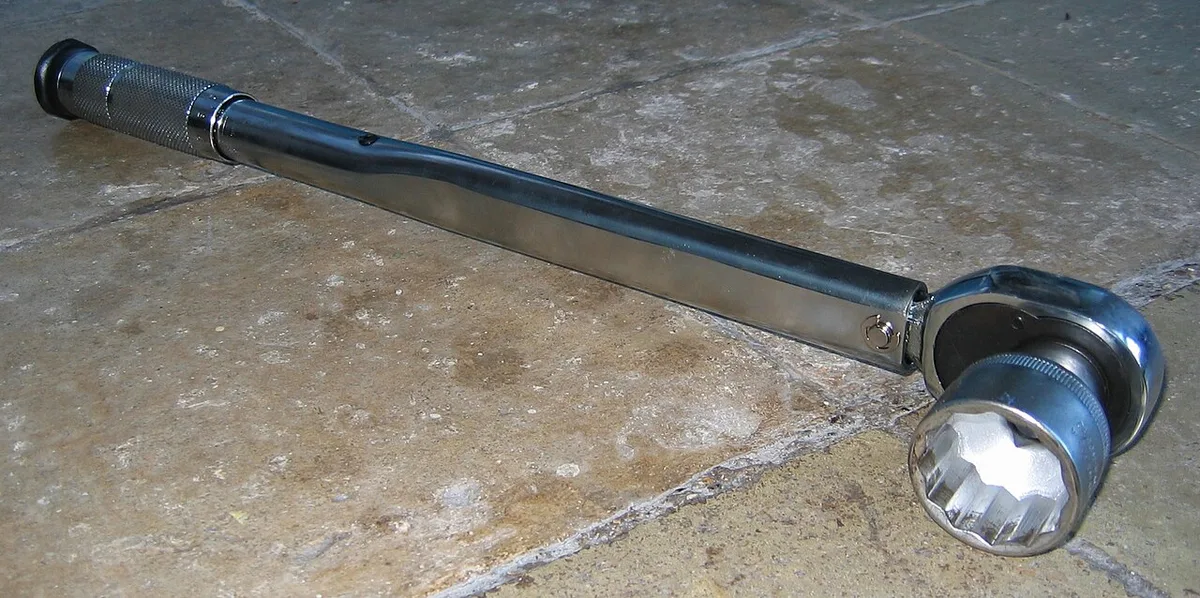
- Torque wrench calibrated to 12 Nm
- 10 mm socket and ratchet
- Gasket scraper and solvent
- Clean lint‑free cloth
| Item | Spec | Typical Cost |
|---|---|---|
| Torque wrench | 12 Nm range | $25‑$45 |
| Pressure tester | 15 psi | $20‑$35 |
| Gasket | Rubber/composite | $30‑$60 |
Core Parts: Manifold, Gasket, Bolts, and Sealants
The intake manifold directs air to cylinders and must seal against coolant.
The gasket sits between manifold and cylinder head, often rubber or composite.
Bolts are M8 × 1.25, torqued in a star pattern to avoid warping.
Some OEMs use a silicone RTV sealant in addition to the gasket.
OEM gaskets typically outlast aftermarket in high‑heat applications.
Proper bolt sequence matters for even clamping force.
Step-by-Step Repair: Disassembly, Cleaning, Torque, and Pressure Test
Begin by disconnecting the battery and allowing the engine to cool completely.
Remove the intake manifold bolts in a star pattern, noting their order.
Scrape old gasket material and clean mating surfaces with solvent.
Place a new gasket, apply a thin layer of RTV if required, and reinstall the manifold.
Torque bolts gradually to 12 Nm, following the star sequence.
Pressure test the system for 15 psi for 5 minutes to confirm sealing.
If no leaks appear, refill coolant to the recommended level and bleed air.
Start the engine and watch for any signs of leakage during the first 10 minutes.
Allow the engine to reach operating temperature before declaring the job complete.
Mistakes That Cost You: Over‑Torque, Wrong Sealant, and Skipping Safety
Over‑torquing bolts can crack the manifold or strip threads.
Using the wrong sealant can prevent proper sealing and cause leaks.
Skipping the pressure test may leave hidden leaks that reappear later.
Ignoring safety gear increases the risk of burns from hot coolant.
Using starter fluid in the intake can mask leaks and lead to misdiagnosis.
Checking headlight bulb cost before buying is unrelated but reminds you to plan parts ahead.
FAQs: Torque Specs, Gasket Choices, and When to Call a Pro
What torque should I use for intake manifold bolts?
Use 12 Nm initial and 12 Nm final per SAE J1349 torque spec.
Torque in a star pattern to keep the manifold flat.
Over‑torquing can crack the housing, so verify with a calibrated wrench before the final pass.
Should I use rubber or composite gasket?
Rubber gaskets seal well on uneven surfaces.
Composite gaskets handle higher temperatures.
Choose the material your OEM manual specifies for your year, and compare the part number to the service listing if unsure.
When is it better to replace the whole manifold instead of reseating?
Replace the manifold if it is cracked, warped, or heavily corroded.
Reseat only when the housing is undamaged and the gasket is the only failure.
While the manifold is off, consider a performance header upgrade to improve flow.
How do I know if a vacuum leak is causing symptoms instead of coolant?
A vacuum leak makes the idle rough and the engine stumble.
Coolant loss shows white steam and drops in coolant level.
Use a smoke machine to differentiate between vacuum and coolant leaks.
Should I call a professional if I’m unsure about any step?
If you lack a calibrated torque wrench or a pressure tester, call a professional shop.
ASE‑certified technicians verify torque and spot hidden cracks.
Labor costs $150‑$250, but a botched job can cost more in repairs.
