
If you're wondering how to install a gps tracker in a car, you're in the right place. Most owners can do it themselves in under an hour. The process is straightforward once you know which tracker type fits your vehicle.
You’ll save time, money, and worry by following a clear workflow.
Per SAE J1962, the OBD‑II port is standardized across all 1996‑and‑later vehicles, so you can plug in a tracker without special tools. This means most drivers can start tracking within 15 minutes of opening the box. Let’s walk through picking the right tracker for your setup.
How to Install a Gps Tracker in a Car
A GPS tracker pinpoints your car if it’s stolen. It can lower insurance by up to 15%. It lets you monitor teen driving habits.
Install it to protect your investment and gain peace of mind. Most owners finish setup in under an hour.
Pick the Right Tracker: OBD‑II, Hardwired, or Magnetic Mount
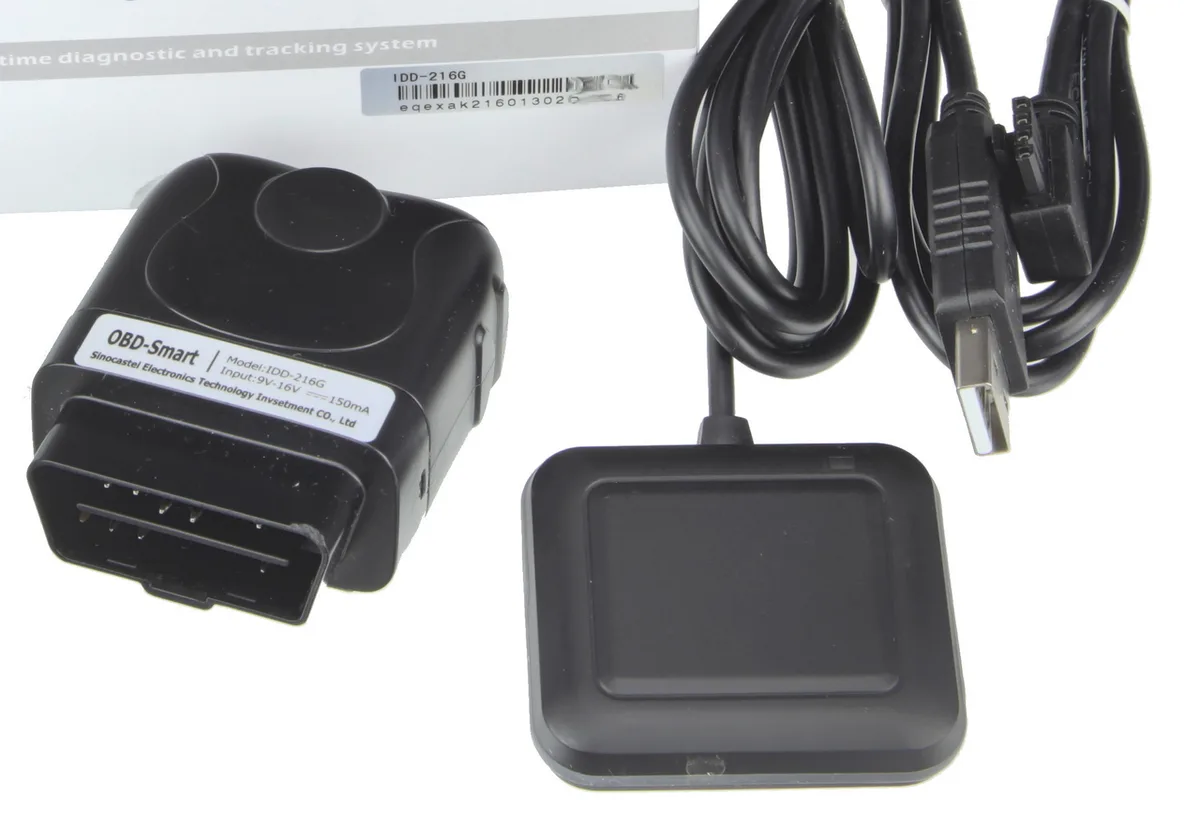
Choosing the correct tracker depends on your vehicle and budget. Use the table below to compare the three main options.
| Type | Installation | Power | Typical Cost |
|---|---|---|---|
| OBD‑II | Plug into port under dash | Vehicle battery | $50‑$120 |
| Hardwired | Connect to fuse box | Direct to battery | $80‑$200 |
| Magnetic | Attach to metal surface | Built‑in battery | $60‑$150 |
- OBD‑II is easiest. No wiring needed. Ideal for renters.
- Hardwired offers permanent power. Best for fleet use.
- Magnetic is portable. Great for temporary tracking.
For most DIY users, the OBD‑II option is the fastest route. If you need a tamper‑detect sensor, consider a hardwired model. For occasional use, a magnetic mount saves time and avoids any wiring.
Check checking the port to confirm compatibility before buying. For safety guidance, see NHTSA guidance.
Installation Workflow: From Compatibility Check to Live Tracking
Follow these steps in order. Each step takes roughly five minutes.
- Verify vehicle year is 1996 or newer.
- Locate OBD‑II port near steering column.
- Insert tracker until it clicks.
- Route any antenna away from metal.
- Power on and wait for GPS lock.
- Pair with app and set geofences.
If you prefer a permanent install, connect to the fuse box instead of the OBD‑II port. Use zip ties to keep wires tidy. For a clean look, run cables behind the dashboard.
After pairing, test tracking by moving the car a short distance. The app should show real‑time location within 30 seconds. For tips on mounting without drilling, see mounting without drilling.
For antenna placement near windows, refer to deflector installation.
Avoid Common Mistakes, Stay Legal, and Keep It Safe
- Do not block the OBD‑II port with other devices.
- Use correct polarity when wiring to avoid fuse blow.
- Keep the antenna clear of metal cages to maintain signal.
- Do not install in a way that interferes with airbags.
Legal considerations vary by state. In California, you must notify passengers before tracking. In most states, tracking a vehicle you own is allowed.
For detailed rules, review legal considerations. FCC Part 15 rules apply to wireless transmission; ensure your tracker is certified. If you’re unsure, consult a professional installer.
Proper installation protects both your vehicle and your privacy.
FAQs: Cost, Specs, Use Cases, and More
How much does a GPS tracker cost?
Typical prices range from $50 to $200 depending on type and features. OBD‑II models are the most affordable, while hardwired units cost more due to installation. Budget an extra $20 for a quality mounting kit if needed.
What are the key specs to look for?
Look for GPS accuracy under 5 m, real‑time updates every 30 seconds, and a battery backup lasting at least 6 months. Waterproof rating IP67 ensures it works in rain and snow. FCC and CE certifications guarantee compliance.
Can I install a tracker on a leased car?
Yes, if the lease agreement permits. Choose a non‑permanent OBD‑II or magnetic mount to avoid alterations. Always check the lease terms before proceeding.
Is a GPS tracker worth it for insurance discounts?
Many insurers offer a 10‑15 % discount for vehicles with active tracking. The discount often offsets the device cost within a year. Verify eligibility with your provider before buying.
What if the tracker loses signal?
Signal loss can happen in underground parking or dense urban canyons. If the tracker shows no location, move the vehicle to an open area for a few minutes. The GPS lock typically re‑establishes within 2 minutes.
