
A rodent chewing through a car's wiring can turn a simple inconvenience into a major headache. How to protect a car from rodents starts with understanding the threats they pose and the steps you can take to prevent damage.
Late-model vehicles often use soy-based wire insulation that rodents find especially appealing. This guide explains the common nesting spots, effective protection methods, and when to call for professional help to avoid costly repairs.
How to Protect a Car From Rodents
How to protect a car from rodents begins with exclusion. Seal gaps larger than 1/4 inch. Wrap harnesses with deterrent tape.
Replace the cabin filter if full of debris. Inspect your engine bay every season.
A Small Chew Can Turn Into a Short, a No-Start, or a Fire
A small chew can escalate quickly. Rodents love the warmth of a running engine. They chew through insulation and create shorts.
This can cause warning lights to flash. In severe cases it leads to a fire under the hood.
Repair costs often run thousands of dollars when a full harness must be replaced. Many insurance policies cover this under comprehensive but only after a deductible. Ignoring the issue leads to more damage as corrosion spreads to connectors.
You should always check for chewed wires after finding droppings. Don't drive the car if you smell fuel or see smoke. Exposed wiring creates a real fire hazard.
Where Mice, Rats, and Squirrels Nest and What They Chew
Mice, rats, and squirrels target specific areas in your car. The engine bay, wheel wells, and underbody shields are popular spots. They also like the cabin fresh-air intake and HVAC box.
Wiring harnesses are their favorite target because of the soy-based polymers in newer vehicles. Fuel lines, brake lines, and coolant hoses come next. Nesting material can clog the cabin air filter and damage the blower motor.
A quick visual inspection reveals chewed plastic or droppings. If you see nests remove them carefully to avoid spreading disease.
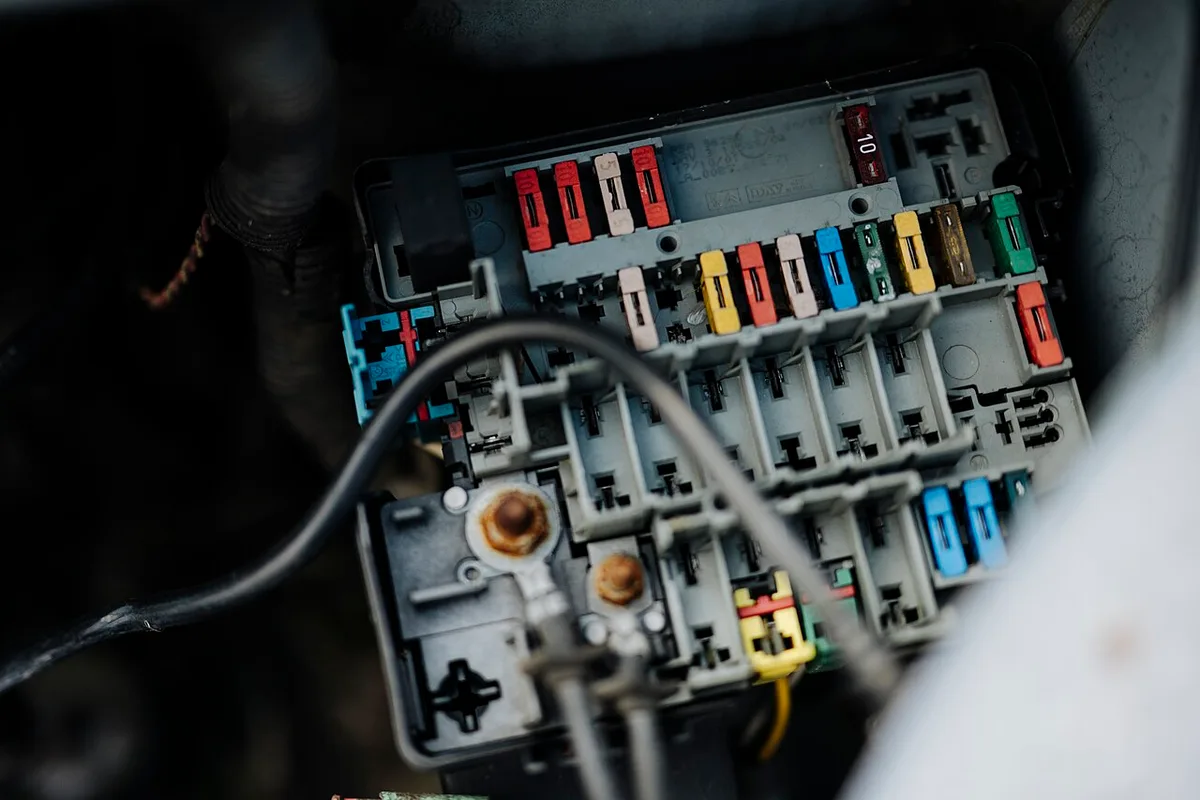
Image source: Wikimedia Commons / Shixart1985 (CC BY)
Clear food sources like bird seed around your parking spot. This reduces attraction before you start protection. For electrical checks after damage use a tool like the OBD2 scanner.
Mesh, Deterrent Tape, and Scents: What Holds Up and What Backfires
Mesh offers the most permanent solution but requires skill to install. Deterrent tape sticks well to harnesses and lasts longer than sprays. Botanical pouches provide scent but need frequent replacement in hot weather.
Ultrasonic devices often fail as rodents habituate quickly. Mothballs pose risks to pets and aren't recommended for engine bays. Steel wool rusts and can short out terminals.
Here's a comparison of approaches:
| Method | Effectiveness | Durability | Safety |
|---|---|---|---|
| Mesh | High | Permanent | Low risk |
| Tape | Medium | Medium | Low risk |
| Sprays | Low | Low | Medium risk |
Mesh works best for long-term storage. Deterrent tape suits daily drivers. Scent products work only in mild climates.
You should test one method first before committing fully.
How to Protect the Car Without Creating a New Hazard
Start by clearing food sources around your car. Close gaps with hardware cloth while leaving proper airflow. Wrap intact harnesses with rodent-deterrent tape.
Place pouches in the cabin and trunk.
Inspect weekly during peak season. Stop and call a pro if you see exposed wires or repeated fuse failures. Blocking cowl drains can lead to water damage instead of rodent issues.
For hybrids and EVs high-voltage cables need the same treatment as 12-volt ones. Check your wiring regularly. For underbody protection consider building ramps from wood to reach the area safely how to build car ramps from wood.
FAQs
What species are most likely to damage my car?
Mice and rats are the primary culprits in most cases. Squirrels target the same spots but less often.
How do I know if my car has rodent damage?
Look for chewed insulation droppings or warning lights. A fuel smell is a serious sign.
Is deterrent tape safe to use?
Yes but keep it away from hot exhaust components. Always follow manufacturer instructions.
Should I use ultrasonic repellents?
They often stop working after a few weeks. Test them on your vehicle first.
When should I contact a professional mechanic?
If you detect chewed wires or electrical issues. This prevents hidden safety faults.
How long does it take to rodent proof a car?
Usually a few hours for DIY. Professional service takes longer but ensures complete coverage.
