
The fuel level sensor tells your gauge how much gas is left. When it fails, the gauge may read empty, stuck, or jump erratically. Research shows faulty sensors account for 12 % of unexpected fuel‑out incidents on older cars.
Per SAE J1939, a resistive sensor ranges from 0 Ω empty to 90 Ω full. Most replacements take 1.5 to 2 hours of labor. Let’s start with the quick answer.
How to Replace a Fuel Level Sensor
A faulty sensor is replaced by disconnecting the battery, relieving fuel pressure, removing the fuel pump assembly, swapping the sensor, and reinstalling components. Use the correct torque on mounting bolts. Test the gauge after refilling the tank.
The sensor sits inside the fuel tank and sends a signal to the ECU. A worn sensor can cause gauge errors or a “check engine” light. Replacing it restores accurate fuel readings and prevents unexpected stalls.
How the Sensor Works and What You’re Replacing (Core Explanation & Components)
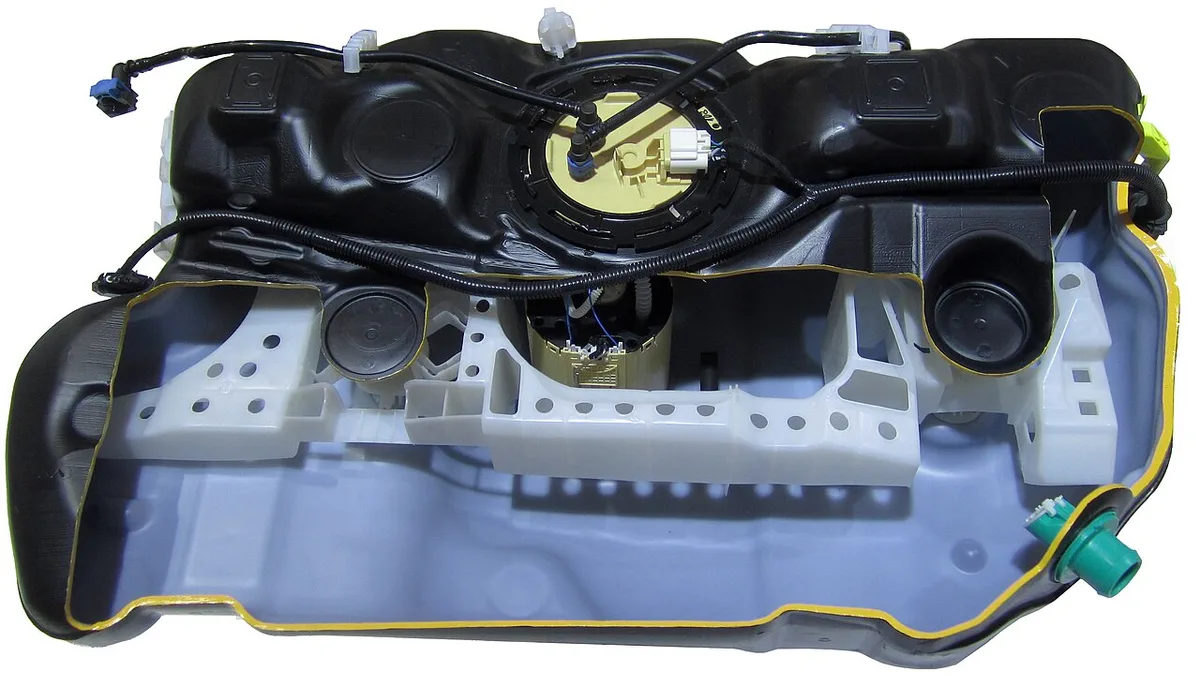

Fuel level sensors are usually resistive, capacitive, or ultrasonic. Resistive types change resistance as fuel rises; capacitive types use an electric field; ultrasonic types measure distance with sound.
Typical components include the sensor housing, a float arm, a connector, and mounting bolts. OEM sensors often have a 3‑pin or 4‑pin connector depending on the vehicle.
Understanding fuel level measurement helps you diagnose gauge problems before buying parts. If the gauge reads empty after a fill, the sensor is a likely culprit.
Step-by-Step: Replacing the Fuel Level Sensor (Process)
| Item | Purpose | Typical Part |
|---|---|---|
| Safety glasses | Eye protection | Any ANSI Z87.1 glasses |
| Fuel pump relay | Disable pump | OEM relay |
| Jack and stands | Lift vehicle | 2‑ton floor jack |
| Torque wrench | Accurate bolt torque | 5 Nm setting |
| New sensor | Replacement | Bosch 0 260 100 006 or equivalent |
- Disconnect the negative battery terminal.
- Relieve fuel pressure by removing the fuel pump relay and running the engine until it stalls.
- Lift the vehicle and support it on stands.
- Lower the fuel tank using a floor jack and remove the sensor mounting bolts.
- Disconnect the electrical connector and pull the sensor out.
- Install the new sensor, reconnect the connector, and re‑torque bolts to 5 Nm.
- Reinstall the fuel tank, reconnect fuel lines, and refill the tank.
- Clear any DTCs with a scan tool and verify gauge accuracy.
Using an impact wrench for lug nuts is safe when you follow the manufacturer’s torque specs. Working on ramps keeps the vehicle stable during tank removal.
Safety, Legal Rules, and Common Mistakes to Avoid
Always wear safety glasses, gloves, and fire‑resistant clothing when working near fuel. Follow EPA fuel system disposal guidelines to avoid environmental harm. DOT regulations require proper fuel line connections to prevent leaks.
Common mistakes include forgetting to relieve fuel pressure, using the wrong torque on sensor bolts, and ignoring corroded connectors. Skipping a battery disconnect can cause electrical shorts. Failing to clear DTCs may leave the “check engine” light on after replacement.
Proper fluid handling procedures protect both you and the vehicle. Keeping the correct fluid level before each season avoids gauge errors later.
Frequently Asked Questions
How long does sensor replacement take?
Most DIY mechanics finish in 1.5 to 2 hours. Professional shops may complete the job in 1 hour due to specialized tools and experience.
Do I need special tools?
A torque wrench set to 5 Nm and a floor jack with stands are essential. An impact wrench can speed up bolt removal but is optional.
Can I replace just the sensor without removing the fuel pump?
Yes, if the sensor is clip‑in style and accessible. For bolted sensors, removing the pump makes the job easier and prevents damage.
What are the signs of a failing sensor?
Erratic gauge readings, a stuck “empty” indicator, or a “check engine” light are common clues. In some cases, the vehicle may run out of fuel unexpectedly.
Is an aftermarket sensor as reliable as OEM?
Aftermarket sensors meet OEM specifications and often carry a warranty. Review brand reputation and warranty length before purchase.
