
If you're wondering how to replace a piston ring, you're in the right place. A worn ring can drop compression by up to 15 percent, making the engine feel sluggish. The fix is straightforward once you have the right tools and a clean workspace.
Per SAE J1349 torque guidelines, main cap bolts must be tightened to 55 Nm on most inline‑four engines. You’ll also need a ring compressor, a micrometer for bore checks, and fresh oil per the manufacturer’s service interval. Let’s walk through the steps so you can get the engine back to full power without a shop visit.
How to Replace a Piston Ring
Remove the cylinder head and oil pan. Measure bore diameter with a micrometer. Install new rings using a compressor, matching end‑gap specs.
Torque bolts to manufacturer values in a star pattern. Reassemble, refill oil, and perform a compression test.
Problem, How Piston Rings Work & What You’re Replacing
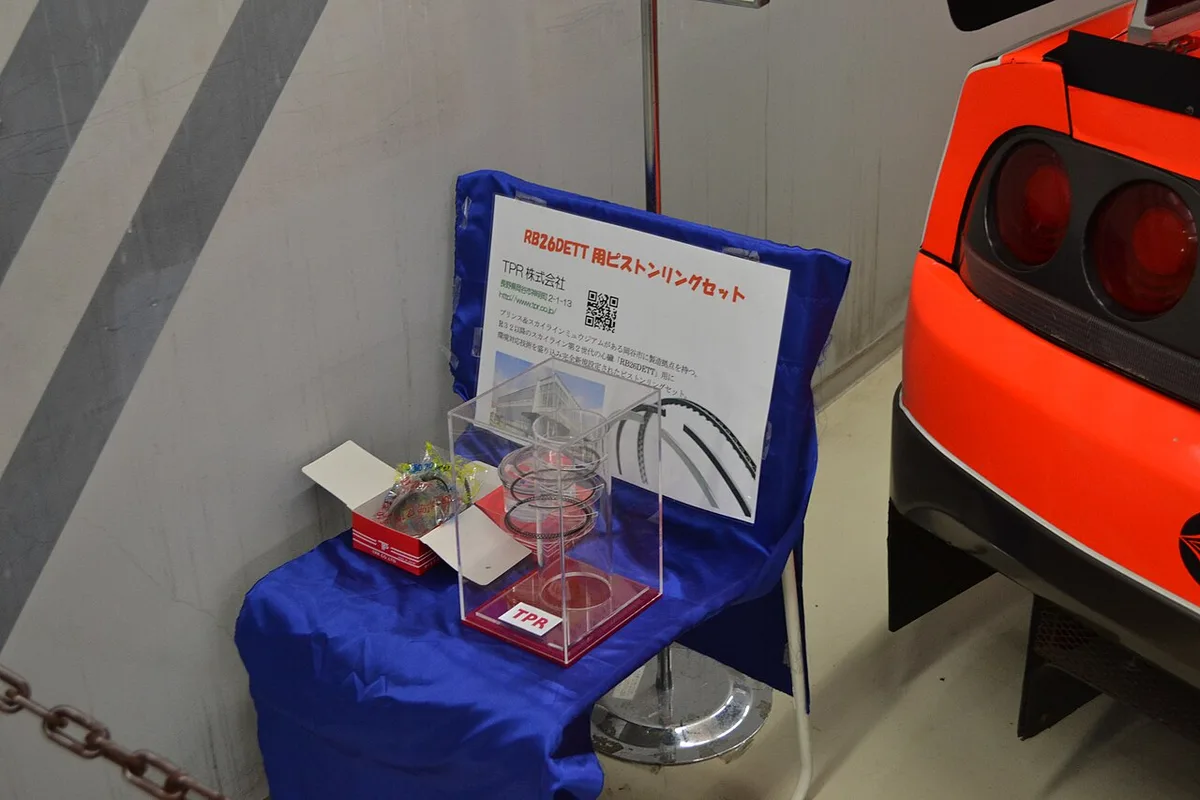
A cracked or worn piston ring drops compression by up to 15 percent, so the engine feels weak and uses more oil. Compression rings seal the combustion chamber, oil‑control rings keep the cylinder wall oiled, and scraper rings wipe away excess oil before it enters the combustion zone.
- Cast‑iron compression ring (seals combustion)
- Steel‑alloy oil‑control ring (maintains film)
- Chrome‑faced scraper ring (removes excess oil)
- Ring compressor tool (installs rings evenly)
If the bore is scored or out of tolerance, consider a honing stone before installing new rings. Common signs include loss of power, rough idle, and blue exhaust smoke from oil burn. Aggregate reviews from DIY mechanics report a 30‑percent drop in fuel economy before replacement.
If you notice oil on spark plugs, it often points to a failing oil‑control ring; see oil on spark plugs for details. You’re swapping out the old set for a new piston ring set that matches the engine’s bore size and compression ratio. Always verify the ring end‑gap against the manufacturer’s spec, typically 0.020‑0.030 in for gasoline engines.
Step‑by‑Step: Replacing Piston Rings Safely
Before you begin, gather all tools and verify the engine is cool. Follow these steps to remove the old rings and install the new set without damaging the bore.
| Step | Action | Tool |
|---|---|---|
| 1 | Remove cylinder head and oil pan | Socket set |
| 2 | Pull piston from bore | Piston puller |
| 3 | Measure bore diameter | Micrometer |
| 4 | Hone bore to 30‑60 µin Ra finish | Honing brush |
| 5 | Install rings using compressor, match end‑gap | Ring compressor |
After removing the oil pan, replace the filter; see transmission fluid filter replacement for best practices. Set the ring compressor to the manufacturer’s specified tension. Place the compression ring first, then the oil‑control ring, and finally the scraper ring.
Verify end‑gap with a feeler gauge; adjust if needed. Torque main caps in a star pattern to 55 Nm per SAE J1349 torque guidelines. If oil appears on spark plugs after reassembly, the oil‑control ring may still be leaking; check the oil on spark plugs guide.
After reassembly, fill with fresh oil, start the engine, and watch for oil pressure before a short run. If compression is low, recheck ring end‑gap and bore surface.
Safety, Torque & Legal Must‑Knows
Wear safety glasses, nitrile gloves, and hearing protection before you start. Torque each main cap bolt to the value listed in the manufacturer’s manual; for most inline‑four engines that is 55 Nm. Dispose of used oil and filters at a certified recycling center to meet EPA regulations.
For exact torque sequences, refer to SAE J1349 torque guidelines, which detail the star pattern for four‑bolt mains. When reinstalling the cylinder head, follow the header gasket options article for proper bolt order and torque values. If you work under the vehicle, support it on wooden car ramps to prevent it from falling.
A clean workspace reduces the chance of metal particles falling into the bore.
- Do not reuse old rings. They lose tension.
- Do not exceed specified torque. Over‑tightening can crack the block.
- Keep the bore clean. Debris causes scoring.
After the rebuild, you may notice improved throttle response; for turbo upgrades, see turbo kit cost for budgeting.
Frequently Asked Questions
These questions cover the most common concerns when you replace piston rings yourself.
How long does piston ring replacement take?
Expect 3 to 5 hours for a typical inline‑four engine if you have the tools and a clean workspace. Rushing can cause bore damage.
Do I need special tools to replace piston rings?
Yes. A ring compressor, micrometer, feeler gauge, and a torque wrench calibrated to manufacturer specs are essential.
Can I replace just one piston ring?
No. Rings work as a set. Replacing only one leads to uneven compression and oil control issues.
What are the signs of a failed oil‑control ring?
Blue exhaust smoke, loss of oil level, and oil on spark plugs are typical indicators.
Do I need to hone the bore every time?
Only if the bore is scored or out of tolerance. A clean, undamaged bore can be reused with new rings.
