
If you ever find yourself stuck with a flat, knowing how to replace a tire can get you back on the road safely. A proper change prevents wheel wobble and keeps the vehicle stable. It also protects the rim from damage that a loose lug nut can cause.
Let’s walk through the essential steps and tools you’ll need.
Manufacturer specifications indicate a torque of 95, 115 ft‑lb for most passenger cars, per SAE J2703 standards as of 2026. This range ensures the wheel stays secure without stripping bolts. Keep a spare and the right tools in your trunk for emergencies.
Knowing the process saves time and avoids costly tow bills.
How to Replace a Tire
Replace a tire by loosening lug nuts, lifting the car, and swapping the wheel. Use a jack rated for your vehicle’s weight. Tighten lug nuts in a star pattern to manufacturer torque.
Check pressure before driving away.
Understanding the Risk: Why Tire Replacement Must Be Done Right
A loose wheel can cause loss of control and serious injury. According to NHTSA tire safety guidelines, improper torque is a leading cause of repeat flats. Always verify torque after each change.
Ignoring the risk can lead to costly repairs and unsafe driving.
- Overtightening lug nuts can stretch bolts and cause breakage.
- Undertightening allows the wheel to wobble, creating vibrations.
- Using the wrong jack can damage the vehicle’s frame.
- Driving on a donut beyond 50 mph increases blowout risk.
Checking the torque with a calibrated wrench keeps the wheel secure. For precise values, refer to your owner manual or SAE J2703. If you’re unsure, a professional service can finish the job quickly.
Knowing the risk helps you decide when to call for help.
What You Need: Tools, Tires, and Specs
Gather a few essential items before you start. A scissor jack, lug wrench, and spare tire are the basics. Verify the spare’s size matches the original tire.
Keep a torque wrench calibrated to the correct range.
| Item | Example | Note |
|---|---|---|
| Scissor jack | 3,000 lb capacity | Must match vehicle lift points |
| Lug wrench | Cross‑type, 17 mm | Fit your lug nut size |
| Torque wrench | 0–200 ft‑lb | Calibrate before use |
| Spare tire | Same size as original | Check tread depth and pressure |
| TPMS sensor | OEM part number | Reinstall after replacement |

Image source: Wikimedia Commons / Gerald England (CC BY-SA)
Use the correct bolt pattern and rim diameter for your car. Refer to the owner manual for exact specifications. If you need a replacement lug nut, check correct lug nut cost before buying.
Keep a small flashlight and gloves handy for visibility and grip.
The Safe Process: Step-by-Step Replacement
Follow these steps in order for a secure change. Park on level ground, engage the parking brake, and turn off the engine. Loosen lug nuts before lifting the car to break the seal.
Place the jack under the recommended lift point and raise the vehicle until the tire clears the ground.
- Remove the old wheel and set it aside.
- Mount the spare onto the hub, aligning bolt holes.
- Hand‑tighten lug nuts in a star pattern.
- Lower the vehicle slightly and torque each nut to specification.
- Finish torquing after the car is fully on the ground.
- Reinstall the TPMS sensor if your vehicle uses one.
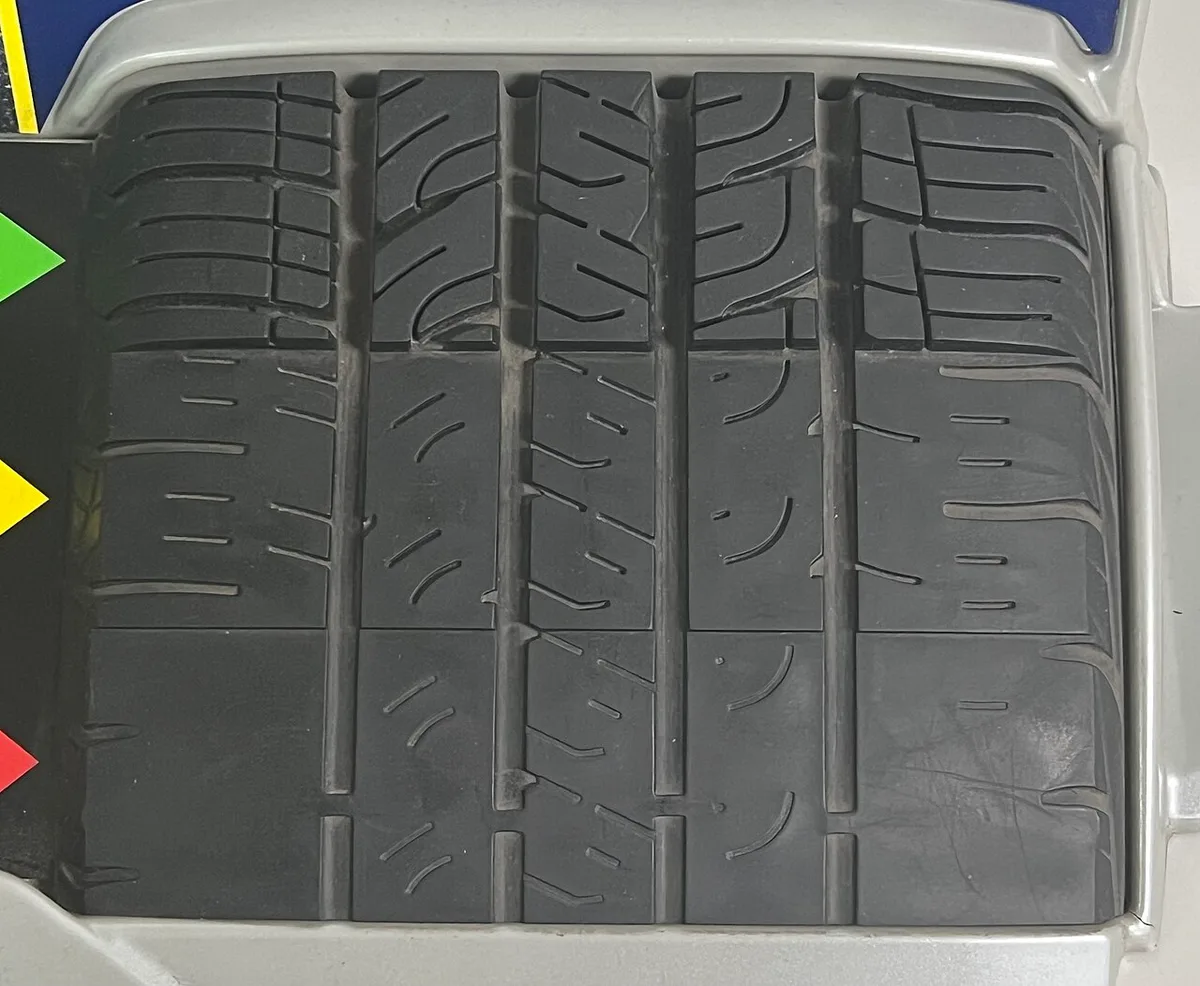
Image source: Wikimedia Commons / TaurusEmerald (CC BY-SA)
Common mistakes include not tightening in the correct order and using an undersized jack. If a lug nut feels stuck, apply penetrating oil and wait a few minutes. For stubborn bolts, a proper wrench technique can help without damaging the nut.
If you lack a torque wrench, visit a shop for final tightening. Remember to check the spare’s pressure before driving.
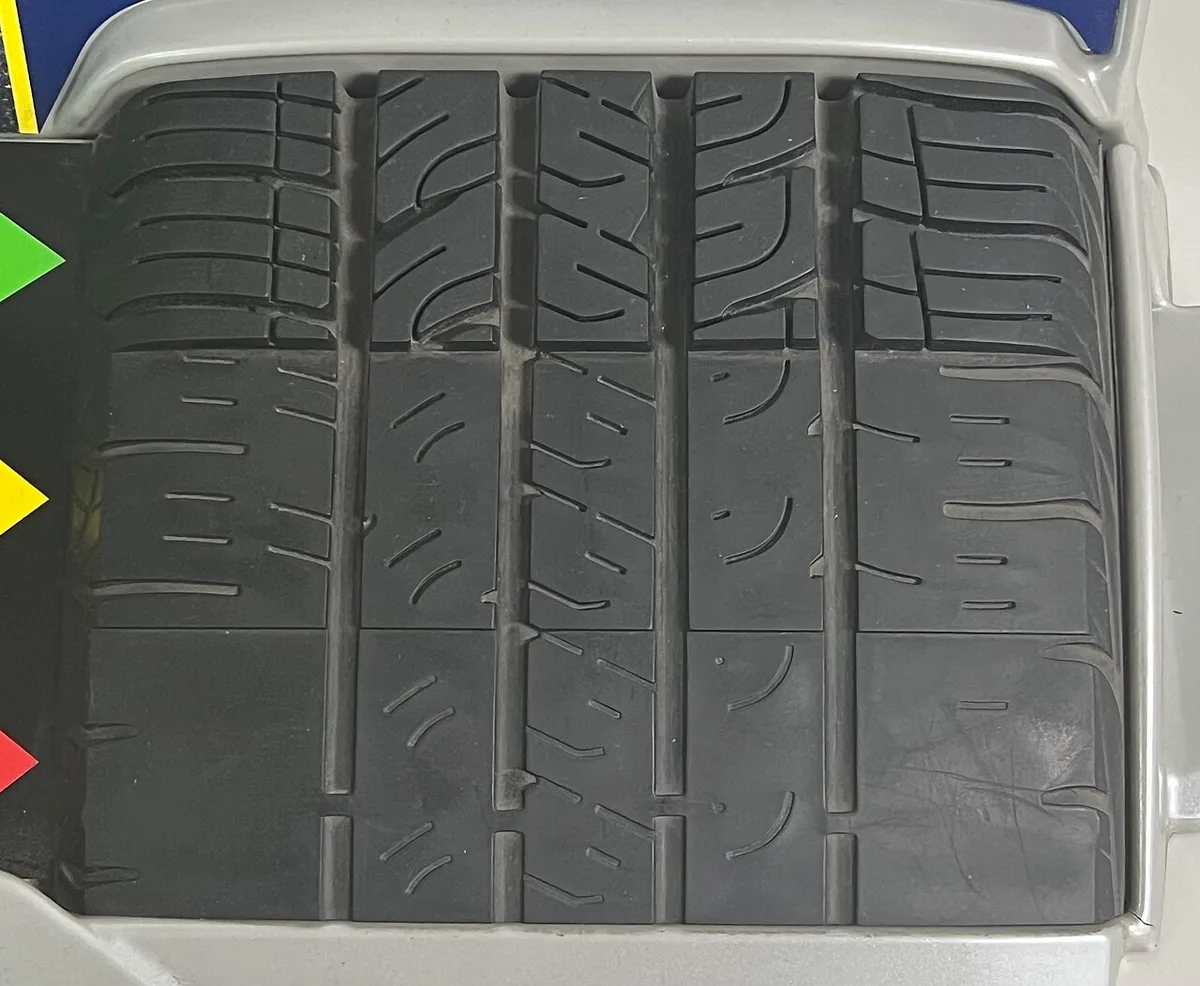
Image source: Wikimedia Commons / TaurusEmerald (CC BY-SA)
After the change, verify the wheel is secure by gently shaking it. If you notice any play, re‑torque the nuts. Keep the removed tire in the trunk for later repair or disposal.
If the vehicle feels unstable, pull over and recheck the work. Knowing when to seek help prevents accidents.
Frequently Asked Questions
How tight should lug nuts be after a tire change?
Torque each lug nut to the range specified in your owner manual, typically 95, 115 ft‑lb for most cars. Use a calibrated torque wrench and tighten in a star pattern. Re‑check after the vehicle has been driven 50 mi to ensure proper seating.
Can I drive on a donut longer than 50 mph?
No. Most temporary spares are rated for a maximum speed of 50 mph and limited mileage. Driving faster increases heat and the risk of blowout.
If you need longer travel, replace the donut with a full‑size spare or visit a shop.
What happens if I overtighten lug nuts?
Overtightening can stretch or break bolts, leading to wheel wobble or detachment. It can also damage the wheel’s stud holes. If you suspect overtightening, replace the affected bolts and retighten to spec.
Using a torque wrench prevents this error.
Do I need a TPMS sensor for a spare tire?
If your vehicle’s tire pressure monitoring system is active, install the original sensor onto the spare. The system will then display accurate pressure for the spare. If your car doesn’t have TPMS, you can skip this step.
For guidance on sensor installation, see a service manual or consult a technician.
