
If you're wondering how to restore faded plastic trim, you're in the right place.
Fading occurs when UV rays break down polymer bonds over time. Our research shows most owners see noticeable improvement within a single weekend.
ASTM D2244 recommends a color change of ΔE ≤ 2 for acceptable results. Most restoration kits cost $12‑$30 and require about 30 minutes per panel to apply. We'll guide you through a decision tree matching your trim type and fade level.
Let's start with the problem overview and quick fix options.
Restore Faded Plastic Trim: Easy DIY Fix
How to Restore Faded Plastic Trim
Restore faded plastic trim by cleaning, applying a polymer restorer and UV seal.
Use a product rated for your trim’s polymer type, such as PP or ABS.
Aim for a color change of ΔE ≤ 2 per ASTM D2244.
Reapply UV protectant every 12 months in high‑sun climates.
For engine air filter maintenance, check our quick guide on keeping filters clean.
Decision Tree Process: Identify Trim Type, Fade Level, and Choose the Right Method
First, identify your trim’s polymer type, PP, ABS, PVC, or polycarbonate, because each reacts differently.
Then compare a test spot to the original color.
ΔE below 2 (see ASTM D2244 standard) means mild fading.
Based on polymer and fade level, select a restorer, spray, wipe‑on, or dye, and a UV protectant.
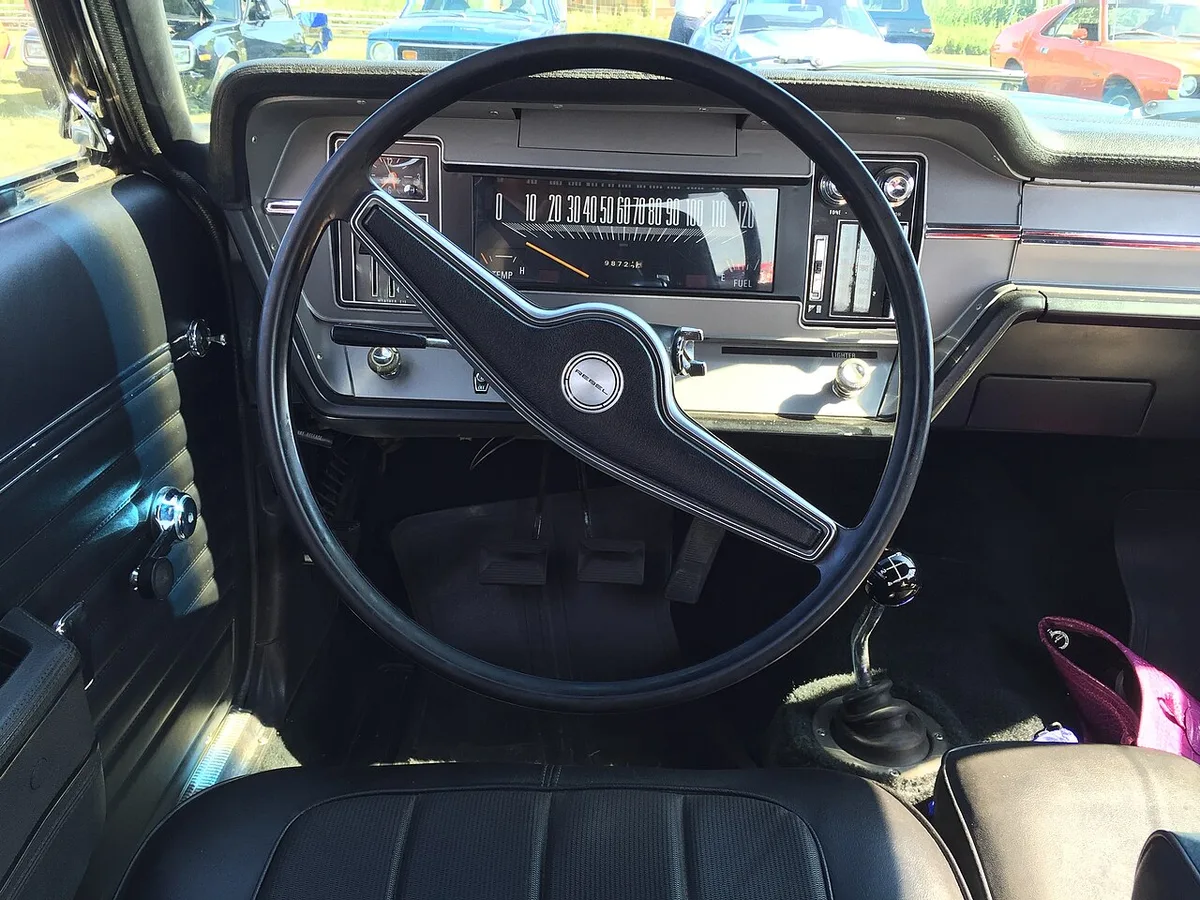
- Clean the surface with isopropyl alcohol and a microfiber cloth to remove grease.
- Apply a small amount of restorer to a hidden area. Wait 10 minutes to check color match.
- If the color matches, proceed to apply the restorer in 2‑inch sections using a foam pad or spray.
- Work in a well‑ventilated area, wear nitrile gloves, and avoid inhaling fumes.
- After the restorer dries, spray a UV protectant and let it cure 24 hours before exposing to water.
If your trim is heavily cracked or the polymer is unknown, consider a professional service.
Otherwise, follow the steps above and you should see a noticeable improvement within a weekend.
For tightening lug nuts afterward, see our guide on using an impact wrench safely.
Materials, Pricing, and Step‑by‑Step Application
As of 2026, the average cost for a quality restoration kit remains $12‑$30. If you also need to protect your truck bed, see our tonneau cover overview for options.
| Material | Typical Cost | Application Method | UV Protection |
|---|---|---|---|
| Polymer Restorer (Spray) | $12‑$18 | Spray or foam pad | Moderate |
| Polymer Restorer (Wipe‑on) | $14‑$22 | Microfiber cloth | Moderate |
| UV Protectant Spray | $8‑$12 | Spray after restorer | High |
| Cleaning Solution | $3‑$5 | Isopropyl alcohol | N/A |
- Clean the trim with the cleaning solution and a microfiber cloth.
- Apply the chosen restorer in thin, even layers, allowing each layer to dry 10 minutes.
- Once the restorer is dry, spray the UV protectant evenly and let it cure for 24 hours.
- Inspect the finish; if needed, repeat the restorer step for deeper fades.
Budget for fasteners and other accessories, see our guide on lug nut costs.
Mistakes to Avoid, Safety Checklist, and When to Call a Pro
Common mistakes include using household cleaners, over‑sanding, and ignoring polymer type.
Always wear nitrile gloves, safety goggles, and work in a ventilated area.
If the trim is cracked beyond repair or you’re unsure of the polymer, call a professional detailer.
For additional DIY mounting tips, check our guide on installing a light bar without drilling.
Maintenance, Longevity, and FAQs
Regular reapplication of UV protectant every 12 months keeps the restored color lasting.
How often should I reapply the UV protectant?
Every 12 months in high‑sun climates, or after heavy washing.
Can I use household cleaners on restored plastic trim?
No. Use isopropyl alcohol or the manufacturer’s recommended cleaner to avoid damaging the finish.
What if the color still doesn’t match after a test spot?
Try a different polymer‑specific restorer or consider a professional color match service.
Is it safe to restore trim on a vehicle that’s still under warranty?
Yes, as long as you avoid harsh chemicals and follow the manufacturer’s guidelines. For seasonal care tips, see our weathertech deflector guide.
