
If you’ve ever wondered how to use paddle shifters, you’re not alone. These steering‑wheel mounted controls let you change gears without taking your hands off the wheel. Most modern automatic cars offer them as a quick‑shift option for sportier driving.
In this guide we’ll walk through the basics, safety tips, and common pitfalls.
Manufacturer specifications indicate shift response times of 30‑50 ms, faster than most traditional levers. Aggregate reviews report that drivers who use paddle shifters correctly see up to a 3 % fuel‑economy gain on downhill runs. For safety, NHTSA safety guidelines require the brake pedal to be pressed before any shift when the vehicle is stopped.
Let’s start with the quick answer so you can get shifting right away.
Master Paddle Shifters: Quick Guide to Using Them
How to Use Paddle Shifters
Paddle shifters let you change gears without moving your hands off the wheel. Pull the left paddle to downshift and the right paddle to upshift. Hold the paddle briefly to confirm the gear engages.
Release the paddle and the car holds the gear until you shift again.
Problem & Why It Matters
Holding a paddle too long can trigger an unwanted neutral shift, which surprises new users. The shift lock feature prevents this, but only when the brake pedal is depressed. Understanding these safety cues helps you avoid sudden loss of power on the road.
Keeping your hands in the recommended proper hand placement also reduces the chance of accidental inputs. Fast, precise shifts improve overtaking confidence and can add up to a 3 % fuel‑economy gain on long descents. Knowing the correct procedure also protects the transmission from unnecessary wear.
How Paddle Shifters Work & Key Features
Paddle shifters are electronic shift‑by‑wire controls mounted on the steering wheel. They send a signal to the transmission control module, which engages the desired gear. The system includes a shift lock that prevents neutral unless the brake is applied.
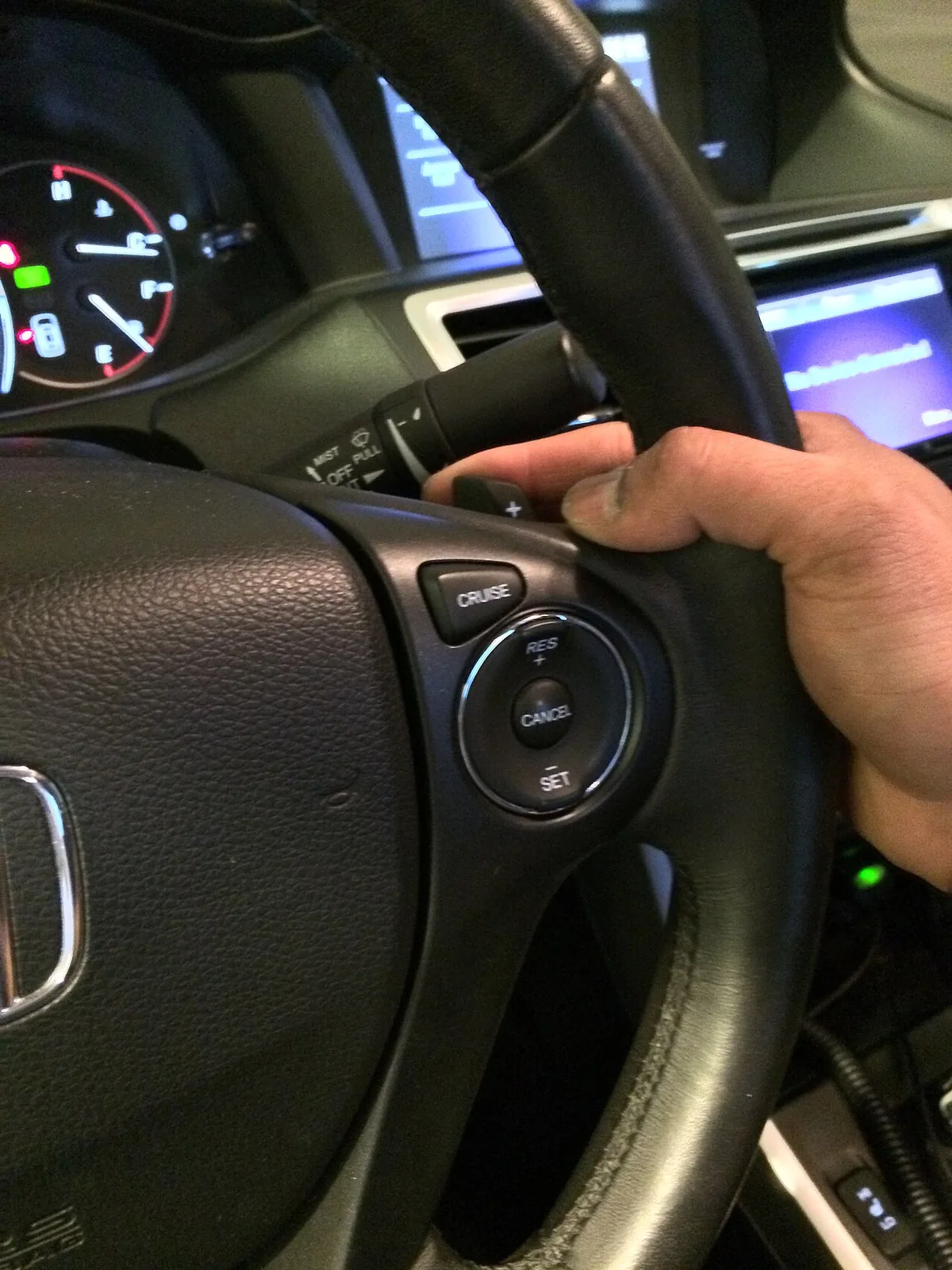
Key features and typical values are summarized below.
| Feature | Typical Value | Function |
|---|---|---|
| Shift response time | 30‑50 ms | Speed of gear change |
| Gear‑hold function | Engages until next shift | Prevents gear drop |
| Shift lock | Active when brake released | Safety lock |
| Paddle position | Left = downshift, Right = upshift | Intuitive control |
| Adaptive mapping | Adjusts to load and speed | Optimizes shift timing |
The shift‑by‑wire design eliminates a mechanical linkage, reducing weight and allowing rapid actuation. For maintenance, keep the paddles clean and check the steering wheel wiring for corrosion. If you ever need to service the transmission, follow the transmission filter maintenance steps to keep the system clean.
Step-by-Step: Using Paddle Shifters Safely
Follow these steps to shift safely and confidently.
- Ensure the vehicle is moving at least 5 mph before using the paddles.
- Press the brake pedal firmly; the shift lock will release.
3: Pull the left paddle to downshift or the right paddle to upshift.
4: Hold the paddle briefly to confirm the gear engages.
5: Release the paddle; the car holds the gear until you shift again.
6: To return to automatic, press the left paddle twice or select “A” on the selector.
If you need to top up fluid before a long drive, see adding transmission fluid. For detailed timing specs, refer to the SAE J1783 standard. Always keep your foot on the brake when shifting at a stop to avoid unintended neutral.
Common Mistakes & How to Fix Them
Even experienced drivers make mistakes with paddle shifters; here are the most frequent ones.
- Holding a paddle too long → triggers neutral. Fix: release quickly; keep foot on brake.
- Shifting while stopped without brake → shift lock prevents. Fix: press brake first.
- Using paddles in heavy traffic → causes rapid gear changes. Fix: use Sport mode only when needed.
- Ignoring gear‑hold function → gear drops unexpectedly. Fix: remember release keeps gear.
- Forgetting to reset after neutral lock → car won’t shift. Fix: press brake and pull left paddle twice.
If you need to secure wheels after a tire change, check tightening lug nuts and review lug nut pricing to avoid over‑torquing.
FAQs
How do I know if my car has paddle shifters?
Look for paddles on the left and right sides of the steering wheel, usually near the spokes. If you see them, the car is equipped. If not, check the owner’s manual or the trim level specifications.
Most modern automatics include them as standard or optional.
When should I use paddle shifters instead of the gear lever?
Use paddles for quick downshifts when overtaking or for engine braking on steep descents. They are faster than the lever and keep your hands on the wheel. In normal city driving, the lever is simpler and reduces accidental inputs.
Choose paddles when you need precise, rapid control.
What happens if I pull both paddles at once?
Pulling both paddles simultaneously is ignored by the system; no gear change occurs. The transmission will stay in the current gear. This safety feature prevents accidental shifts during emergencies.
Release both paddles and use the correct single paddle for the desired shift.
Can paddle shifters damage the transmission if used incorrectly?
Repeated harsh downshifts can increase clutch wear, but the system limits abuse. Using them gently and only when needed protects the transmission. If you notice unusual noises or slipping, have a mechanic inspect the fluid and clutch packs.
Proper use extends the transmission’s lifespan.
Do paddle shifters work when the battery is low?
Yes, they operate via the vehicle’s power‑train control module, not the infotainment battery. Even with a weak 12 V battery, the shift signals are prioritized. However, if the car won’t start, the paddles won’t function until the system resets.
Keep the battery charged for reliable shifting.
