
Choosing between direct injection and port injection can make or break a car's fuel efficiency. Direct injection sprays fuel straight into the combustion chamber at high pressure, while port injection meters fuel into the intake port. Our research shows the right system depends on how you drive and what you need from the engine.
Per EPA 2023 testing, a 2.5‑liter GDI engine delivers 34 mpg combined versus 30 mpg for a comparable port‑injected setup. That 4‑mpg gain translates to roughly 10 % lower CO₂ emissions, meeting Euro 6d limits. The trade‑off is a higher upfront cost and the need for precise diagnostics, which we'll break down next.
Direct Injection vs Port Injection
Direct injection forces fuel into the cylinder at 300‑3,000 psi.
Port injection meters fuel into the intake port at 30‑60 psi.
GDI improves fuel economy by 5‑15 % in real‑world tests.
GDI delivers up to 10 % more peak horsepower.
Port injection is simpler and cheaper to service.
Problem & Why It Matters
Drivers notice two main problems when the wrong system is installed. First, port injection can leave carbon deposits on intake valves, hurting flow. Second, GDI injectors cost $150‑$300 each, raising repair bills.
A quick diagnostic scan can reveal which system your car uses and whether it needs attention.
- Carbon buildup on intake valves (common with port injection)
- Higher injector replacement cost for GDI
- Need for high‑pressure fuel line safety during service
- Potential for fuel dilution in oil at low loads with GDI
Core Explanation: How Each System Works
GDI uses a high‑pressure pump to atomize fuel directly in the combustion chamber. The ECU times injection up to 4,000 rpm for precise control, much like modern ignition systems manage timing. Port injection meters fuel into the intake port where the throttle regulates flow.
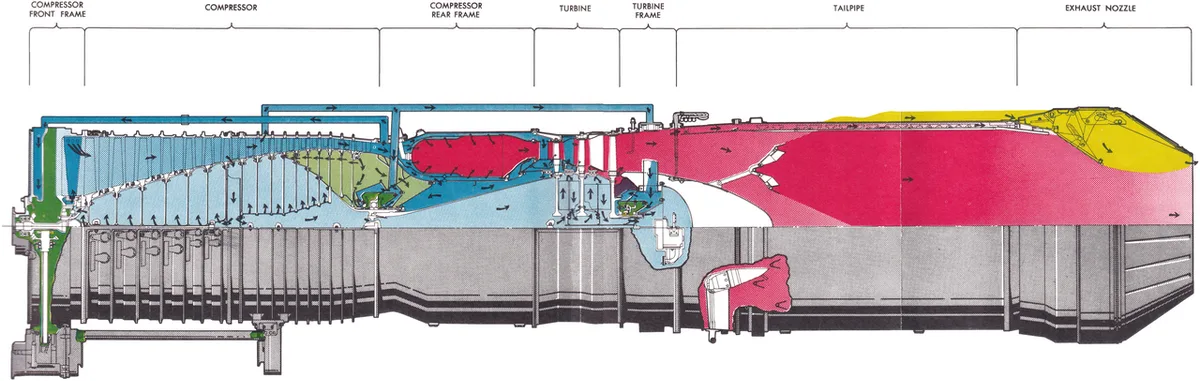
Image source: Wikimedia Commons / United States Air Force
Features & Performance Data
Key specs separate the two systems. Fuel pressure, atomization, and power output are the biggest differences. Below is a side‑by‑side snapshot from manufacturer data and EPA testing.
EPA emissions standards confirm these CO₂ figures.
| Metric | Direct Injection (GDI) | Port Injection (MPI) |
|---|---|---|
| Fuel pressure | 300‑3,000 psi | 30‑60 psi |
| Fuel economy (EPA) | 34 mpg combined | 30 mpg combined |
| CO₂ emissions | 115 g/km | 135 g/km |
| Peak horsepower gain | +10 % | Baseline |
| Injector cost each | $180 | $45 |
| Intake valve carbon risk | Low | High |
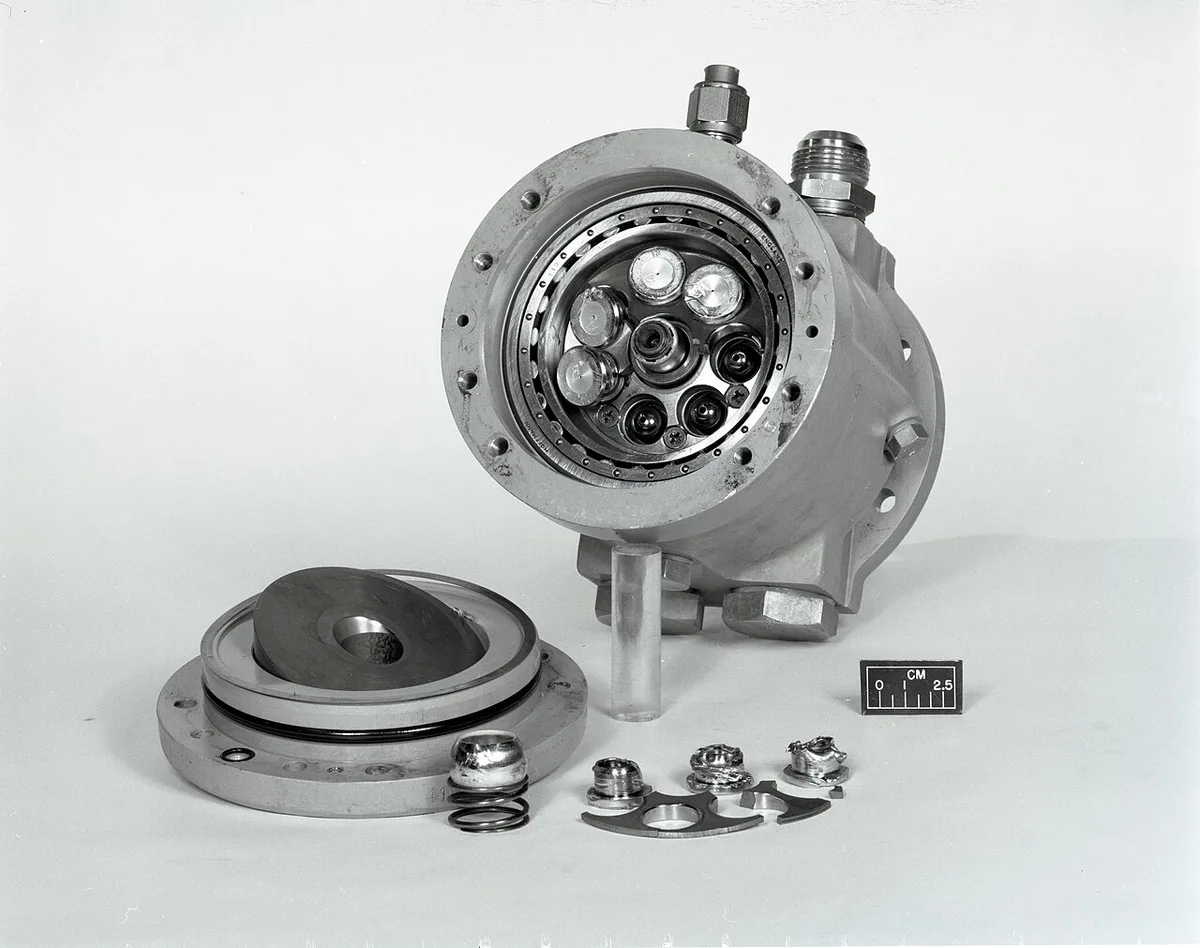
Image source: Wikimedia Commons / Martin Brown
Use Cases & Best‑Fit Scenarios
The right choice hinges on driving style and vehicle purpose. Daily commuters gain the most from GDI’s efficiency. Performance builds benefit from GDI’s higher peak power.
Cold‑start performance also benefits from GDI’s precise fuel timing, similar to using starter fluid in a spark plug hole.
- Daily commuter cars (e.g., Toyota Camry), prioritize fuel economy.
- Racing or high‑rpm builds, need GDI’s precise timing.
- Fleet operators, balance total cost of ownership over many miles.
- Small‑engine applications, port injection remains cheaper and simpler.
If you need the lowest fuel bill and can afford the service cost, GDI is the answer. If you want a straightforward system for a modest engine, port injection still works.
FAQs & Final Verdict
How much does a direct injection injector cost compared to a port injector?
GDI injectors typically cost $150‑$300 each, while port injectors are $40‑$60 each. Labor adds $100‑$200 for replacement. Over a 100,000‑mile lifespan, GDI’s fuel savings can offset the higher price, but budget‑conscious drivers may prefer port injection.
Can I retrofit a port‑injected engine to direct injection?
Retrofitting is possible but expensive, requiring a high‑pressure pump, new injectors, and ECU reprogramming. Most manufacturers do not offer kits for older models. It’s cheaper to buy a newer GDI‑equipped vehicle if you need the performance gains.
Does direct injection cause more carbon buildup?
GDI reduces intake valve deposits because fuel never passes through the port. However, low‑load operation can cause fuel dilution in oil, leading to different cleaning needs. Regular decarbon service prevents issues in both systems.
Which system meets Euro 6d and EPA Tier 3 standards?
Euro 6d and EPA Tier 3 require gasoline engines over 2.0 L to meet stricter CO₂ limits. GDI’s higher efficiency helps achieve those targets, while port injection can still comply with larger displacement or hybrid assistance. Check the vehicle’s emissions sticker for confirmation.
When should I choose port injection over direct injection?
Choose port injection for budget builds, small engines, or when simplicity is key. It’s also the only option for older cars that lack GDI support. If you drive mostly at low speeds and want lower upfront cost, port injection is the practical choice.
Knowing the recovery point of your vehicle can also influence service planning.
For most drivers seeking better mileage and higher peak power, direct injection is the superior choice as of 2026. If you need a low‑cost, low‑maintenance system for a modest engine, port injection remains viable. Match the system to your driving habits, budget, and performance goals.
