
When your car's AC blows warm air, the culprit is often a bad receiver drier. The moisture indicator changes from blue to pink and pressure drops below 5 psi, per SAE J1939 standards. This quick visual check tells you whether the drier needs replacement.
Manufacturer specifications indicate replacement every 30 k mi or 3 years, as of 2026. The drier's silica‑gel desiccant absorbs moisture until the indicator turns pink, then pressure relief opens at 30 psi. When the valve opens, refrigerant bypasses the desiccant and continues to the compressor.
We'll break down how the drier works and when to replace it next.
Symptoms of a Bad Ac Receiver Drier
A pink moisture indicator signals a failing receiver drier in any vehicle. System pressure drops below five psi, per SAE J1939 limits. Warm air emerges from vents instead of the expected cool flow.
Replacing the drier restores full cooling and prevents compressor damage. Bypass valve may open at thirty psi, releasing excess pressure.
Core Explanation: How the Drier Controls Moisture and Pressure
The receiver drier sits after the condenser and before the compressor. Its job is to remove moisture that entered the refrigerant during service. Water can freeze and damage the compressor, per our diagnostic tool selection guide.
Inside the housing, a silica‑gel or molecular‑sieve desiccant absorbs water until the indicator turns pink. The color change is visible through a clear window on the drier, similar to the fitment guide for wiper blades. A built‑in bypass valve opens at about thirty psi to prevent system lock‑out.
When the valve opens, refrigerant bypasses the desiccant and continues to the compressor.
Before replacement, gather the items listed in the table below.
| Item | Purpose | Typical Cost |
|---|---|---|
| New receiver drier (OEM) | Replaces moisture‑laden unit | $35‑$120 |
| Refrigerant recovery machine | EPA‑approved evacuation | $150‑$300 (shop) |
| Gauge set (0‑400 psi) | Verify system pressure | $20‑$40 |
| Safety glasses & gloves | Protect during disconnect | $5‑$10 |
| Torque wrench (30 in‑lb) | Proper bolt tightening | $25‑$60 |
Always perform refrigerant recovery per EPA Section 609 requirements, as of 2026, before opening the system. Refer to the EPA recovery requirements for exact procedures. After replacement, recharge to the manufacturer‑specified weight and check for leaks.
For a detailed recharge procedure, refer to our routine fluid check guide.
Decision Tree: When to Replace, When to Inspect, When to Skip
Use this tree to decide whether to replace the receiver drier. Start by checking the moisture indicator and system pressure. If the indicator is pink or pressure is below five psi, replace it.
Consult parts cost reference for pricing. If the indicator is blue and pressure reads normal, inspect for leaks first, per SAE J1939 pressure guidelines. A leak at the drier connection can mimic a bad drier.
Check component investment before replacing. If the indicator stays blue and pressure stays above five psi after a full recharge, the drier is likely fine. Proceed to check the compressor and condenser for other issues.
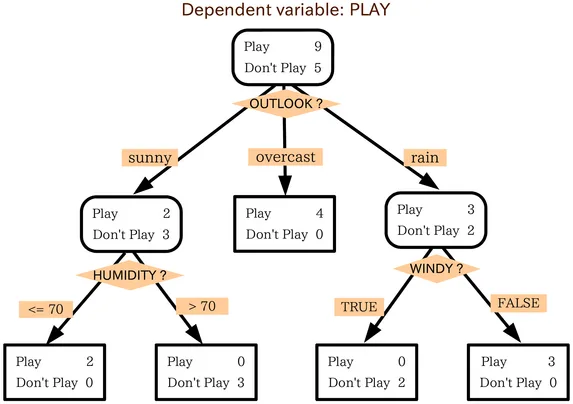
Image source: Wikimedia Commons / T-kita at English Wikipedia
- If pink indicator or pressure <5 psi Replace the receiver drier.
- If blue indicator and normal pressure Inspect for leaks. Repair if found.
- If blue indicator and pressure >5 psi after recharge Skip replacement. Check compressor and condenser.
Mistakes to Avoid & Safety Guidelines
Common mistakes can turn a simple drier replacement into a costly repair. Ignoring the moisture indicator often leads to compressor failure. Skipping refrigerant recovery violates EPA rules and endangers you.
Never reuse the old refrigerant lines after removing the drier. Old lines retain moisture and can recontaminate the new desiccant. Replace the lines or flush them with clean refrigerant before reinstall.
Image source: Wikimedia Commons / S.S.Exp.Hashimoto (CC BY-SA)
- Ignore pink indicator Replace drier immediately to avoid compressor damage.
- Skip EPA recovery This is illegal and can release refrigerant into the atmosphere.
- Reuse old lines Moisture returns. Replace or flush lines before reinstall.
- Over‑tighten drier bolts Use 30 in‑lb torque to prevent housing cracks.
- Work without PPE Wear safety glasses and gloves per OSHA PPE guidelines to protect eyes and hands.
Always wear safety glasses and gloves when disconnecting refrigerant lines. Verify system pressure is zero before opening any connections. After replacement, recharge to the specified weight and perform a leak test.
For a detailed recharge procedure, refer to our routine fluid check guide.
FAQs
How often should I replace the receiver drier?
OEM service bulletins specify replacement every 30 k mi or 3 years, whichever comes first. In hot climates like Florida or Texas, many technicians replace it at 2 years to be safe. Always follow the vehicle’s maintenance schedule.
Can a clogged drier be cleaned instead of replaced?
Cleaning is not recommended because the desiccant material is designed for one service cycle only. Attempting to flush can leave residual moisture that defeats the purpose. Replacement ensures a fresh moisture‑absorbing element and restores system performance.
What are the risks of running AC with a bad drier?
Running the AC with a bad drier allows moisture to circulate, which can freeze and damage the compressor. The system may lose refrigerant charge and fail to cool. Operating without proper EPA recovery also violates federal regulations and can result in fines.
Do I need special tools to replace the receiver drier?
You need a refrigerant recovery machine, a gauge set, and a torque wrench set to 30 in‑lb. Safety glasses and gloves are required for personal protection. No specialty tools beyond these are necessary for a standard replacement.
How can I verify the drier is working after replacement?
After replacement, verify the moisture indicator is blue and system pressure reads above five psi. Run the AC for at least five minutes and confirm cool air exits the vents. A leak test with soap solution ensures no refrigerant escapes.
