
The first sign you’ll notice is a clunk that grows louder over bumps. Ignoring it can let steering become unsafe and tire wear accelerate. In our research, manufacturers list a typical service life of 50,000, 120,000 mi, depending on driving conditions.
As of 2026, many drivers report early failure after harsh winters. Knowing the symptoms early saves money and keeps you safe.
Top 5 Warning Signs of a Bad Control Arm
Symptoms of a Bad Control Arm
You hear clunking noises when turning or over bumps.
Steering feels loose, especially at low speeds.
Uneven tire wear appears on inner or outer edges.
Vehicle drifts left or right without input.
Alignment changes after a few hundred miles.
How Control Arms Work & Key Components
Control arms connect the wheel hub to the chassis and keep steering geometry precise.
They pivot at bushings and attach to ball joints that absorb movement.
OEM arms use forged steel for strength; aftermarket often uses stamped steel with zinc plating.
Per SAE J1519 standard, torque specifications sit between 70 and 120 ft‑lb.
Image source: Wikimedia Commons / יורם שורק (CC BY-SA)
Key components include the lower arm, upper arm, bushing, and ball joint.
When bushings crack or the ball joint wears, the arm can move unexpectedly.
Check for oil soakage, cracked rubber, or excessive play before replacing.
Symptoms, Diagnosis & Step-by-Step Check
Start with a visual inspection under the car for cracked bushings or loose bolts.
Push the arm by hand; any play indicates wear.
Listen for clunks during turns and note steering drift.
Use a diagnostic scanner to read any suspension-related codes.
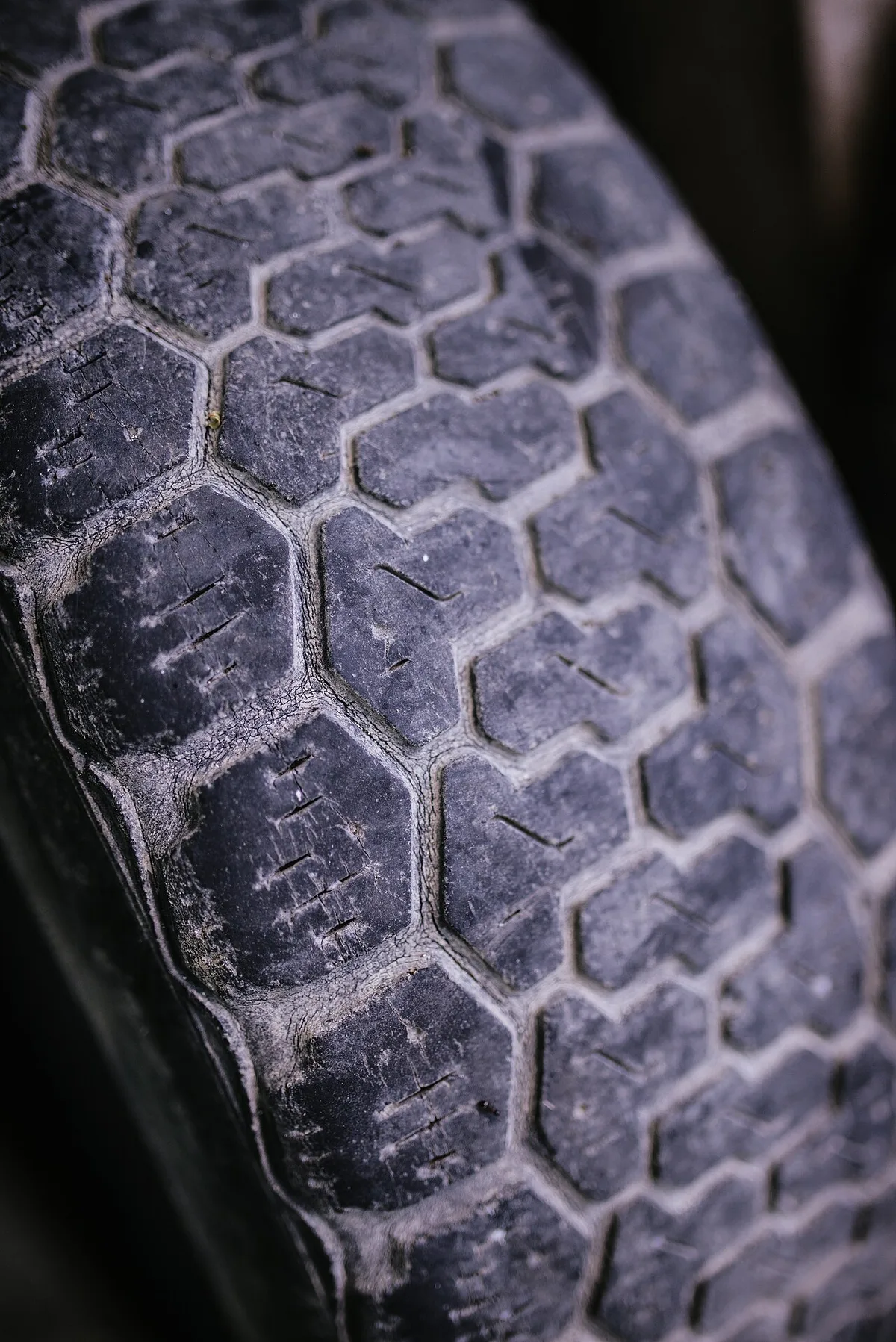
Image source: Wikimedia Commons / Shixart1985 (CC BY)
Follow these steps:
- Loosen lug nuts, lift the vehicle, and support it securely.
- Remove the old arm, compare it to a new unit for fit.
- Install the new arm, torque bolts to spec, and re‑tighten lug nuts.
- Perform a wheel alignment to restore camber and toe.
For confirmation, take a short test drive; noise should disappear.
Costs, Safety & When to Get Professional Help
| Part | Typical Cost | Labor (hrs) | Approx Total |
|---|---|---|---|
| OEM control arm | $150‑$250 | 1.5 | $260‑$410 |
| Aftermarket arm | $80‑$150 | 1.5 | $170‑$300 |
| Ball joint only | $30‑$60 | 1.0 | $80‑$130 |
Safety matters; a failed arm can cause loss of steering control.
If you’re uncomfortable with lifts or torque specs, a shop is the safest choice.
Check NHTSA recall data before buying a used vehicle to avoid defective components.
When deciding between OEM and aftermarket, consider warranty length and fit tolerance.
OEM parts often include a 3‑year warranty; aftermarket may offer 2‑year.
If you need a quick fix, aftermarket can be installed same day.
Frequently Asked Questions
How long does a control arm last?
Manufacturers report 50,000 to 120,000 mi, but harsh roads and corrosion can shorten that.
Can I replace just the bushing instead of the whole arm?
Yes, if the arm housing is sound and the bushing is the only worn part.
What are the dangers of driving with a bad control arm?
You risk steering wobble, uneven tire wear, and potential loss of control in emergencies.
Do I need a professional alignment after replacement?
Yes; a proper alignment restores camber, caster, and toe to factory specs.
How much does a professional installation cost?
Labor typically runs $70‑$150 per hour; most shops finish in 1.5 hours.
For more details on related parts, see our guide on tie rod end comparison and lug nut pricing.
