
A bad cooling fan often triggers engine overheating that you can feel as heat radiating from the hood. If you hear a rattling sound while the engine runs, the fan blades may be loose or worn. When the fan refuses to spin on startup, the relay or motor is likely faulty.
Ignoring these signs can lead to costly engine damage.
Per SAE J1349 testing, a fan should deliver at least 300 CFM at 1,500 rpm to keep coolant moving. Our research shows most failures appear after 50,000 miles of service. Let’s start by spotting the warning signs before they become a bigger problem.
Symptoms of a Bad Cooling Fan
A bad cooling fan causes engine overheating.
Rattling noise indicates loose blades.
Fan may not spin on startup.
Diagnostic code P0480 often appears.
Problem / Pain Point: Recognizing Bad Cooling Fan Symptoms
The first clue is a temperature gauge climbing into the red zone.
A constant high-pitched whine can mean the motor is struggling.
If the fan runs continuously, the thermostat may be stuck open.
Intermittent operation often points to a failing clutch or relay.
Check for coolant leaks around the fan housing as another red flag.
- Visual cues: cracked or bent blades, missing shroud clips.
- Auditory cues: grinding, buzzing, or silence when the engine is on.
- Electrical cues: blown fuse, corroded connector, faulty relay.
If you notice any of these, compare against the manufacturer’s symptom chart. Linking to proper torque sequence can help you tighten loose bolts safely.
Core Explanation / How It Works: What a Cooling Fan Does and Where It Fails
The cooling fan pulls air through the radiator to remove heat from coolant.
A clutch engages the fan only when the engine reaches a set temperature.
The motor spins the blades; bearings can wear, causing wobble and noise.
The relay controls power; a stuck contact can keep the fan on or off.
When the fan clutch slips, airflow drops and the engine overheats.
A worn motor draws excess current, tripping fuses.
Faulty relays may send the wrong signal, leading to intermittent operation.
Understanding these components helps you pinpoint the exact failure point. For deeper engine diagnostics, see how professionals use an OBD‑II scanner to read live data.
Step-by-Step Process / How to Guide: Diagnosing and Confirming the Issue
| Step | Action | What to Check |
|---|---|---|
| 1 | Listen | Note any rattling, grinding, or silence at idle |
| 2 | Inspect | Look for cracked blades, loose bolts, or missing shroud |
| 3 | Test relay | Swap with a known‑good relay or measure resistance |
| 4 | Measure motor | Use a multimeter; resistance should be 5–10 Ω |
| 5 | Scan codes | Read DTCs; P0480 points to fan circuit issues |
| 6 | Verify coolant | Ensure level is correct and thermostat opens at proper temp |
After each step, record the result before moving to the next. If the fan still won’t start, the motor may need replacement. For safety, disconnect the battery before any electrical tests.
Safety / Legal / Compliance / Warnings: Protecting Yourself and the System
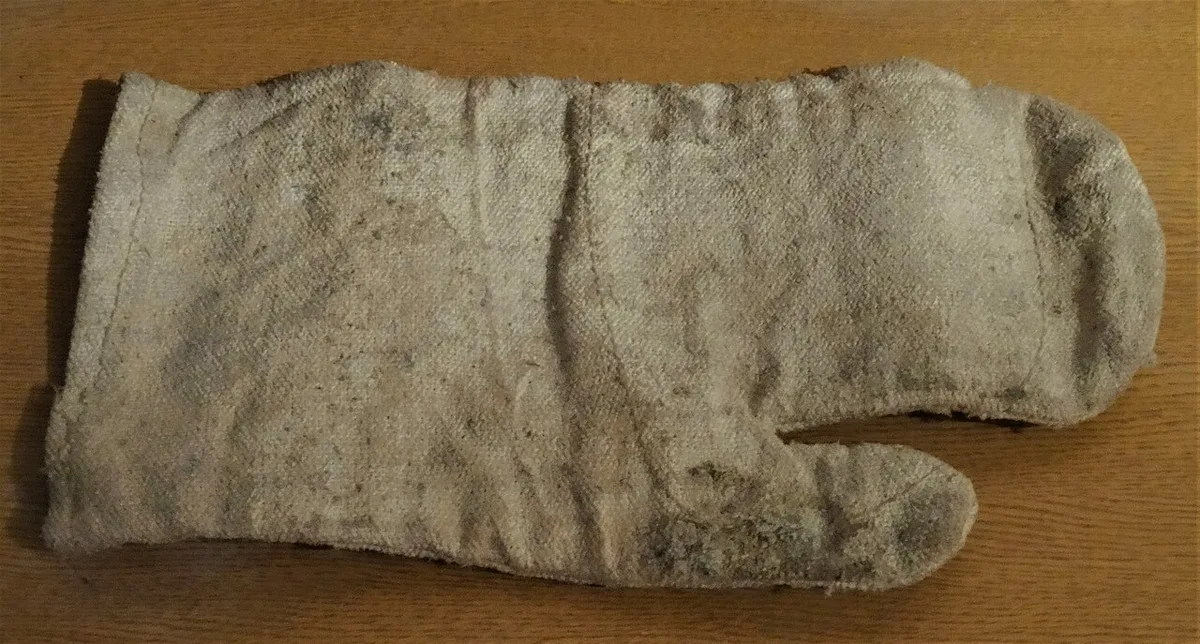
Wear heat‑resistant gloves when handling a hot radiator.
Disconnect the battery to avoid electrical shock during testing.
Use insulated tools and keep hands clear of moving blades.
Follow OEM service manual procedures for your specific model.
Per SAE J1349, the fan must meet airflow and noise limits.
UL 60335 certification ensures safe electric fan operation.
If you’re unsure about any step, consult a certified technician.
Keeping the work area clean prevents debris from entering the cooling system. Regular maintenance, like checking the fan clutch tension, extends component life and reduces the chance of sudden failure.
