
If you notice oil mixing with coolant, you likely have a bad cylinder head. The head sits between the block and the gasket, sealing combustion pressure. When it fails, the engine can lose power, misfire, or overheat.
Let’s confirm the most common signs.
Per SAE J726, compression should stay above 150 psi on gasoline engines. Ignoring a drop can lead to costly repairs. Understanding the symptoms early saves time and money.
Symptoms of a Bad Cylinder head
Oil mixes with coolant, a clear sign of head trouble.
Compression drops below 150 psi on gasoline engines.
Engine misfires, stalls, or loses power under load.
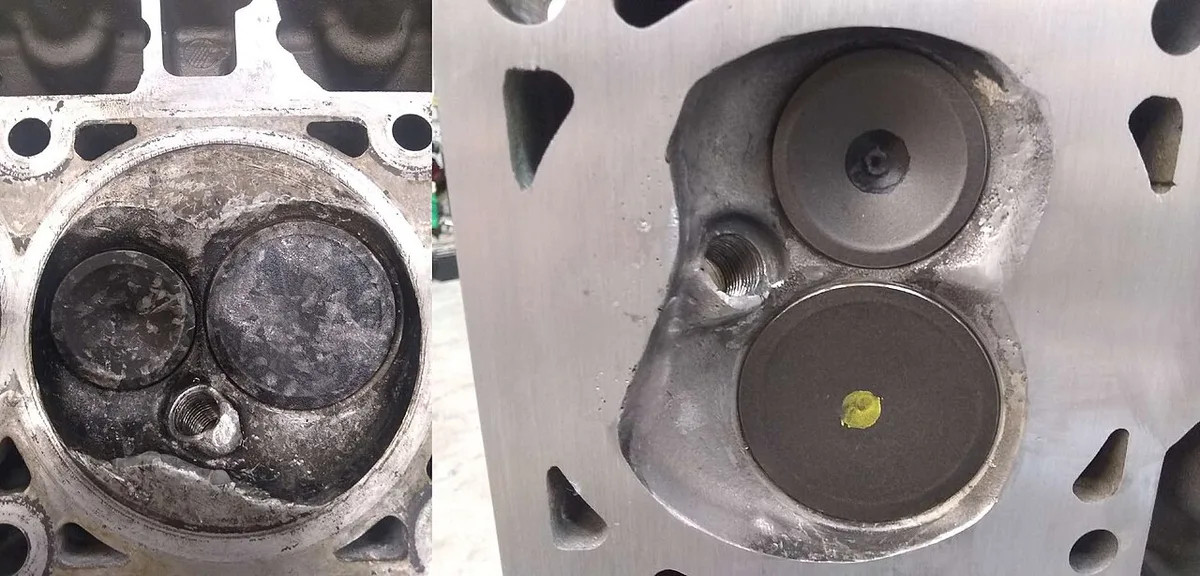
Visible cracks or carbon buildup appear on the head surface.
Continuing to drive can cause catastrophic engine failure.
Inside the Head: Key Components and How They Fail
The cylinder head is usually aluminum or iron. Aluminum heads dissipate heat better but can crack under extreme stress. Iron heads are tougher but heavier and retain heat longer.
A worn head gasket often shows coolant staining on the oil cap.
- Valve train, bent valves or worn springs cause loss of compression.
- Valve seats, hardened steel inserts can erode, leading to leaks.
- Bolt torque, uneven torque can warp the head, creating gaps.
- Coolant passages, blockages cause hot spots and cracking.
Our research shows a cracked head often reveals a “water‑in‑oil” appearance. If you spot this, stop the engine and call a professional. For DIY checks, a borescope can reveal hidden cracks without disassembly.
[Learn how to spot oil on spark plugs] (https://carobjective.com/why-do-my-spark-plugs-have-oil-on-them/) for additional clues.
Diagnose Step-by-Step: Tests, Tools, and Common Mistakes
Start with a visual inspection for oil stains or cracks.
Next, run a compression test; aim for 150‑180 psi on gasoline.
A leak‑down test should show less than 5 % leakage.
Check head bolt torque with a calibrated wrench in the star pattern.
Common mistakes
- Ignoring a small coolant loss, thinking it’s a radiator leak.
- Re‑using old head bolts, which can stretch and lose clamping force.
- Skipping the torque sequence, leading to uneven pressure.
If any test fails, consult an ASE‑certified shop.
[Find the right OBD‑II scanner] (https://carobjective.com/how-to-buy-obd2-scanner/) to read stored fault codes before disassembly.
Costs, Risks, and When to Call a Pro
Typical gasket replacement ranges from $300 to $1,200.
Head resurfacing or replacement can cost $800 to $2,500, depending on material.
As of 2026, labor rates average $150 per hour, adding $300‑$600 to the bill.
Source: Wikimedia Commons / ChubbsEducation (CC BY)
Driving with a failing head risks seizure, which can total the engine.
Safety warnings include wearing eye protection and disconnecting the battery before work.
If you’re unsure about torque specs or see cracks, call a professional.
[Check lug nut torque costs] (https://carobjective.com/how-much-do-lug-nuts-cost/) to budget for related maintenance after head work.
Frequently Asked Questions
Can a cracked cylinder head be repaired?
A minor crack can sometimes be welded by a specialist, but the repair cost often exceeds a replacement. For most drivers, replacing the head is the safer, more reliable option.
How often should I replace the head gasket?
Replace the gasket whenever you notice coolant mixing with oil, persistent loss of compression, or after any head disassembly. Typical intervals are 60,000‑100,000 miles, but harsh conditions can shorten this.
What are the signs of a failing valve spring?
A failing valve spring produces a rattling noise at idle and loss of power at high RPM. A compression test will show uneven pressure across cylinders, confirming spring wear.
Is it safe to drive with low compression on one cylinder?
No. Low compression can cause misfires, rough idle, and increased fuel consumption. Continued driving may lead to catalytic converter damage or engine failure.
When should I seek professional help instead of DIY?
Seek help if you detect cracks, cannot achieve proper torque, or lack the correct tools. Professional shops have the equipment to measure head warpage and perform precise machining.
