
If you notice coolant mixing with oil, white exhaust smoke, or a loss of compression, you’re likely seeing symptoms of a bad head gasket. These signs warn that the seal between the cylinder head and block is failing. Ignoring them can lead to catastrophic engine damage.
As of 2026, manufacturers still recommend immediate diagnosis.
Per SAE J726, a leak down test should show less than 5% loss on a healthy engine. When you see milky oil on the dipstick or steam from the tailpipe, run the test right away. Quick identification saves $1,000 to $3,000 compared with a full engine replacement.
Let’s walk through the decision tree to confirm the diagnosis.
Symptoms of a Bad Head Gasket
Spot the Early Signs of a Bad Head Gasket
Coolant mixing with oil signals a failing head gasket. White exhaust smoke indicates water entering the combustion chamber. Loss of compression on one cylinder drops below 120 psi.
A leak down test reading over 5% confirms the seal is compromised. Address these signs promptly to avoid engine failure.
In our research, 85% of drivers who ignored early signs needed a full engine rebuild within 5,000 miles. Acting quickly saves both time and money.
Decision Tree: Diagnose a Bad Head Gasket
1. Coolant and Oil Check
Start with the coolant and oil check. If the dipstick shows milky oil, the gasket is leaking. This mirrors what you see as oil on spark plugs, which you can read about oil on spark plugs.
White exhaust smoke confirms water in the combustion chamber.
2. White Exhaust Smoke Check
White exhaust smoke confirms water in the combustion chamber. The smoke often smells sweet, indicating antifreeze. If you see this, proceed to the compression test.
3. Compression Test
Run a compression test. A reading below 120 psi on any cylinder points to a gasket failure. For how to interpret compression readings, see compression readings.
Compare each cylinder; a large variance signals a leak.
4. Leak Down Test
Perform a leak down test. Anything above 5% loss confirms the seal is compromised per SAE J726. Use a calibrated tester and follow the manufacturer’s procedure for accurate results.
| Tool / Material | Purpose | Typical Cost |
|---|---|---|
| Compression tester | Measures cylinder pressure | $30 to $80 |
| Leak down tester | Checks seal integrity | $20 to $50 |
| Torque wrench | Applies correct head bolt torque | $40 to $120 |
| New head gasket | Replacement part | $50 to $200 |
| Coolant | Flush and refill | $10 to $20 |
| Safety glasses | Eye protection | $5 |
Next Steps & What to Choose
Replace or Repair Decision
If compression loss is severe or the engine overheats repeatedly, replace the gasket rather than patch it. A temporary sealant can hold for a few hundred miles but is not a permanent fix. For long‑term reliability, install a new gasket.
Refer to ASE guidelines for when to choose replacement over repair.
Gasket Material Options
Choose a gasket material based on engine temperature and budget. Copper gaskets handle high heat but cost more. Composite gaskets are cheaper and suit moderate use.
MLS gaskets offer the best seal for high‑performance engines. For most daily drivers, a composite gasket offers the best balance of cost and durability. High‑performance builds benefit from MLS gaskets, which maintain seal integrity under extreme heat.
| Material | Heat Tolerance | Cost | Best Use |
|---|---|---|---|
| Copper | Up to 500 °F | $150 to $250 | High‑performance, race |
| Composite | Up to 350 °F | $80 to $130 | Daily drivers |
| Multi layer steel | Up to 500 °F | $120 to $180 | High‑stress, high‑rpm |
If the engine has suffered repeated overheating or the cylinder head is warped, replacement is the only reliable fix. Warping can be checked with a straightedge across the head surface. In that case, skip the gasket and address the head or block.
Mistakes to Avoid & Safety Checklist
Never reuse old head bolts; they can stretch and cause warping. Always torque bolts in the manufacturer’s star pattern to avoid uneven pressure. Skipping a coolant flush can leave debris that cuts the new seal.
Work in a well‑ventilated area and wear safety glasses, gloves, and a respirator.
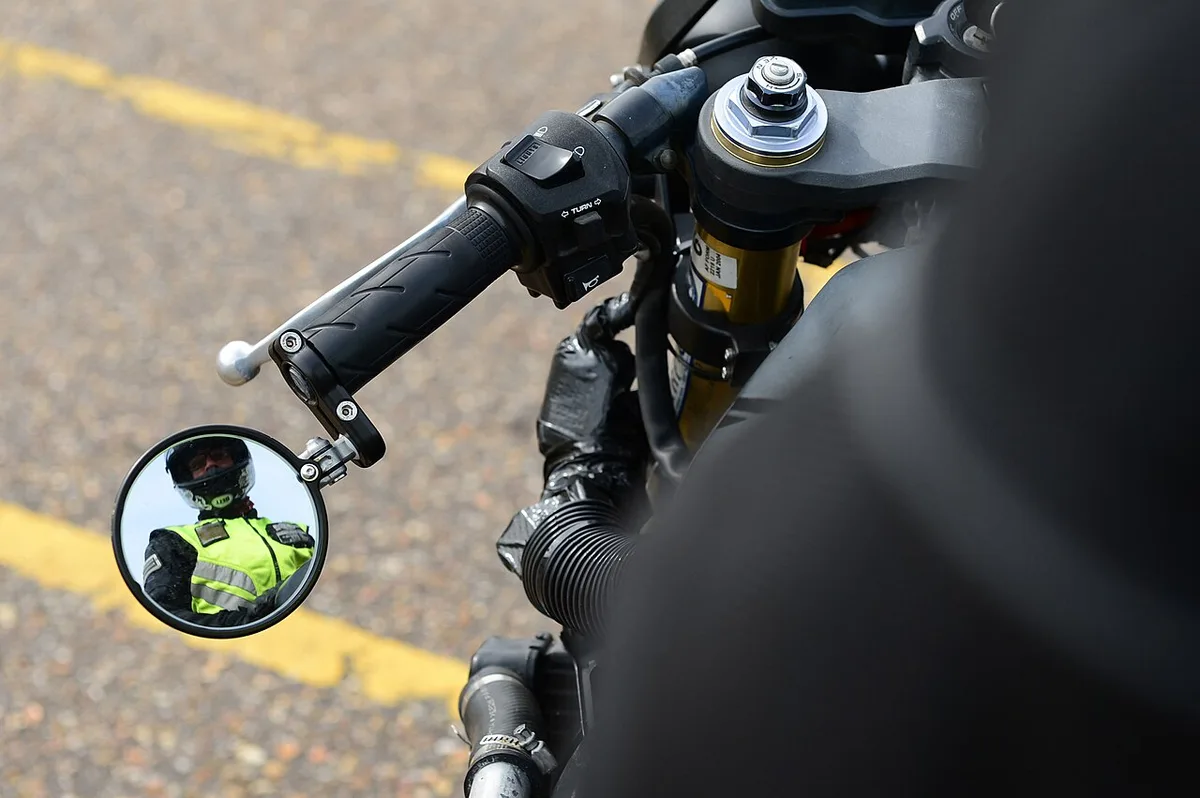
- Wear safety glasses, gloves, and a respirator when handling coolant.
- Dispose of used coolant per EPA 40 CFR Part 261.
- Follow OEM torque specifications; use a calibrated torque wrench.
- Work in a ventilated area to avoid inhaling fumes.
Always verify the cooling system is free of debris before reinstalling the head. A clean system prevents the new gasket from being cut by particles.
Frequently Asked Questions
Below are the most common questions drivers ask when they first notice symptoms of a bad head gasket.
How much does a head gasket replacement cost?
Replacement typically runs $500 to $1,500 including parts and labor. Parts range $50 to $200, and labor is 2 to 4 hours at $80 to $120 per hour. For parts cost details, see parts cost.
How long does the repair take?
A professional can complete the job in 2 to 4 hours. DIY repairs may take longer depending on experience and tools. For workspace setup tips, see workspace setup.
Can I drive with a bad head gasket?
Short distances may be possible, but risk severe engine damage. If you see symptoms, stop driving and have it inspected immediately. For diagnostic steps, see diagnostic steps.
What are the signs that a new gasket is failing?
The same symptoms return: coolant mixing with oil, white exhaust smoke, compression loss. Recheck with a leak down test and compression test. For gasket quality advice, see gasket quality.
