
If you notice the oil pressure warning light, you’re likely seeing symptoms of a bad oil pump. Low pressure can cause engine knock, reduced power, and eventual seizure. Ignoring the signs often leads to costly repairs.
Understanding the problem early saves time and money.
Per SAE J300, oil pressure should stay between 40 and 60 psi at idle. As of 2026, most modern engines still use these same thresholds. If your gauge reads below 40 psi, the pump may be failing.
Let’s look at how to confirm and what to do next.
Symptoms of a Bad Oil Pump
Low oil pressure warning light illuminates when the pump can't maintain pressure. Engine knocks or taps at idle indicate insufficient lubrication. Oil pressure gauge reads below 40 psi at idle.
Any of these signs point to a failing oil pump. Continuing to drive can cause rapid engine wear.
How It Works & Key Symptoms to Watch
The oil pump circulates lubricant to bearings, pistons, and camshafts. It operates at engine speed, delivering 3 to 5 qt/min of oil. A pressure relief valve opens when pressure exceeds 55 psi to protect the system.
Watch for these common indicators of a failing pump.
- Oil pressure warning light stays on
- Gauge reads below 40 psi at idle
- Engine knocks or taps at low rpm
- Oil leaks from pump housing or seal
- Unusual whining noise from the front
If any of these appear, inspect the pump before the engine suffers damage.

Image source: Wikimedia Commons / Terra
The pressure relief valve ensures excess oil bypasses the system. A stuck valve can cause pressure spikes and pump wear.
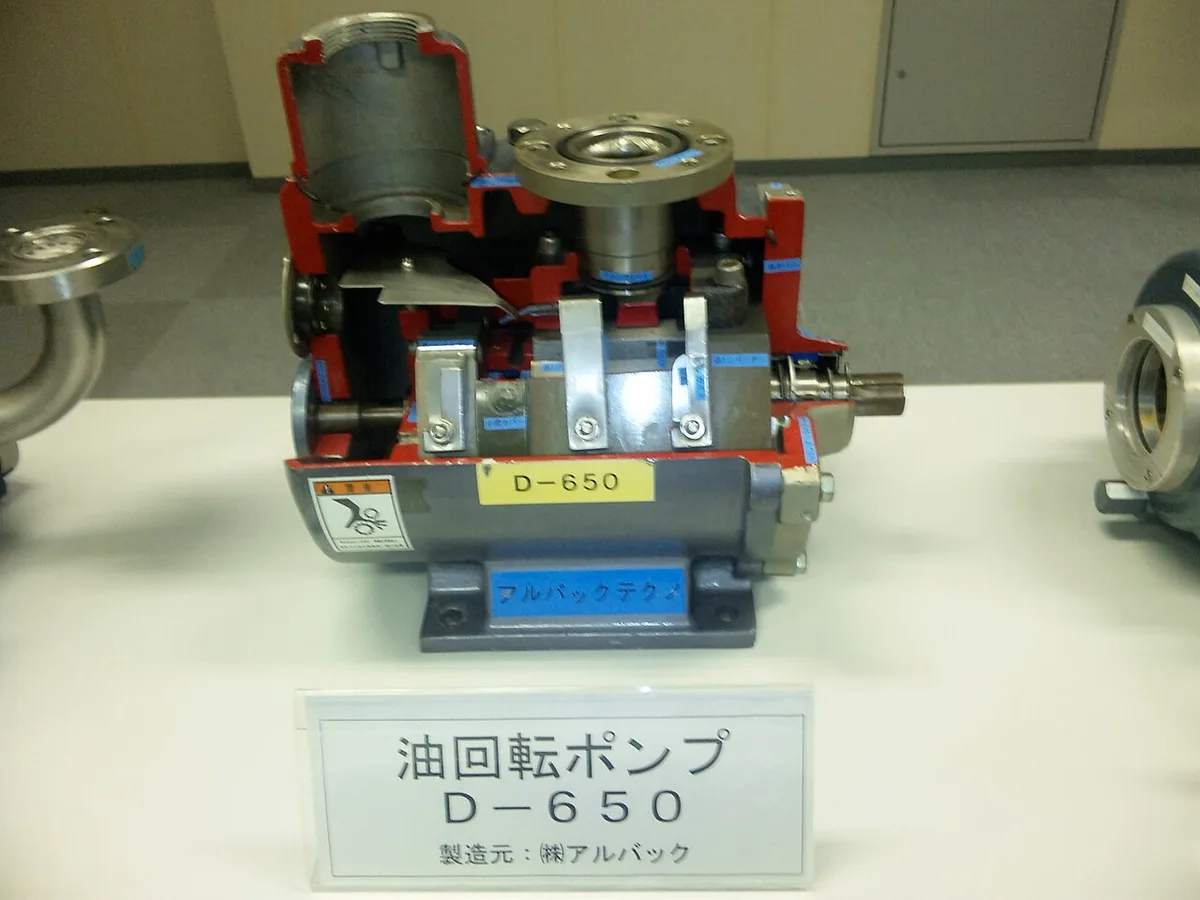
Image source: Wikimedia Commons / 朝彦
Apply proper torque to the pump bolts as specified in the manual. Understanding these components helps you decide whether to replace the pump.
Diagnosis & Action Steps: From Gauge to Replacement
Start by confirming the oil level with the dipstick. Low fluid can mimic pump failure symptoms.
- Connect an oil pressure gauge to the engine port.
- Start the engine and watch the gauge at idle.
- Rev to 3,000 rpm and note the pressure reading.
- Listen for whining or knocking sounds.
- If pressure stays below 40 psi, remove the pump.
- Use a torque wrench to loosen bolts to manufacturer spec.
- Install a new pump, torque bolts to spec, refill oil.
- Reset the warning light and test drive.
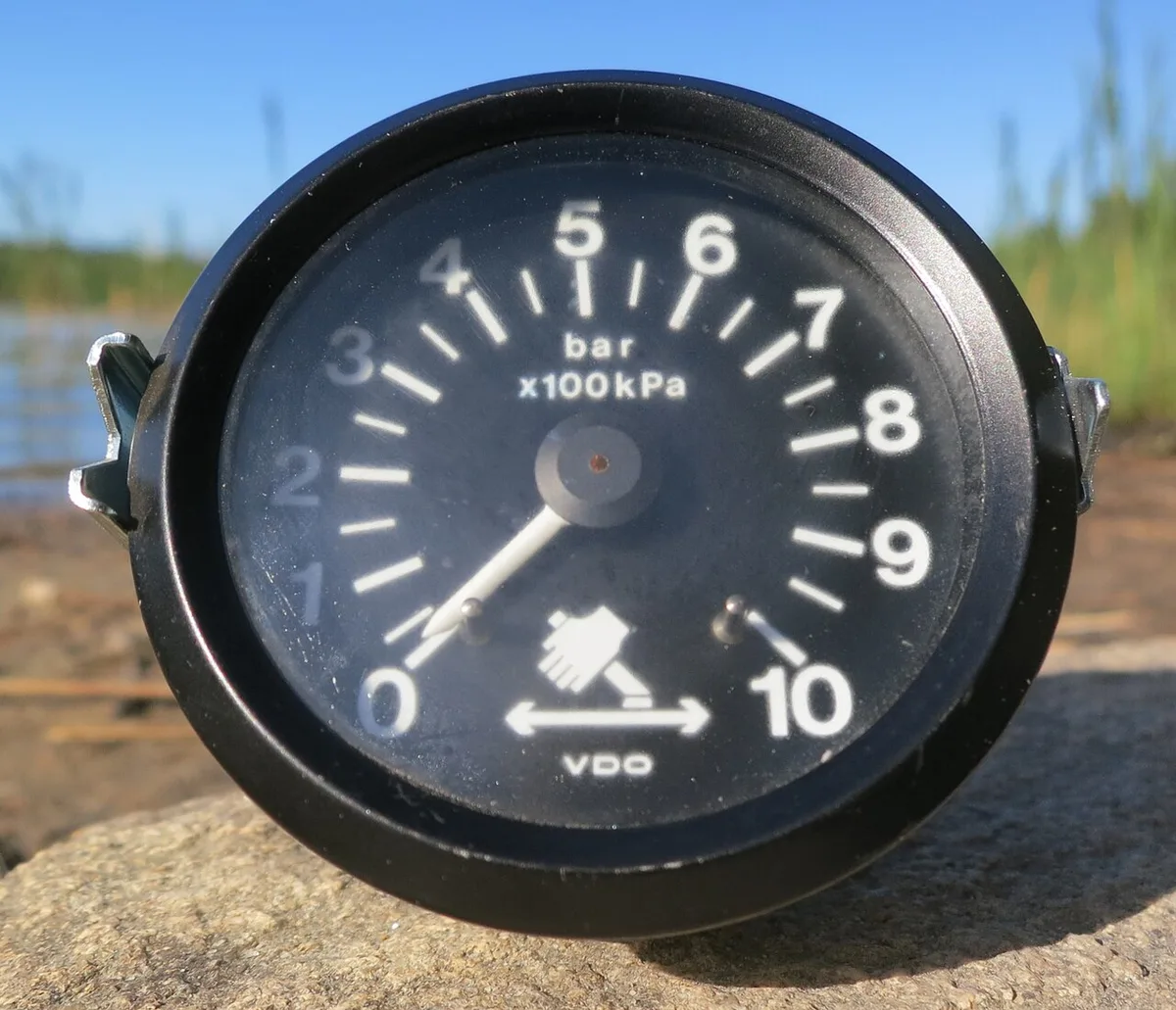
Image source: Wikimedia Commons / R. Henrik Nilsson (CC BY)
For precise torque values, refer to the service manual or our guide on tightening bolts. After refilling oil, verify the check fluid level to ensure proper lubrication. Refer to the SAE J300 standard for recommended pressure ranges.
If the warning light returns, have a technician verify the installation.
Costs, Safety & When to Call a Pro
Replacing an oil pump typically costs $150 to $400 for the part. Labor adds another $100 to $200, depending on the vehicle.
| Item | Typical Cost |
|---|---|
| Oil pump (OEM) | $150–$300 |
| Aftermarket pump | $120–$250 |
| Labor (2 hrs) | $100–$200 |
| Oil & filter | $20–$40 |
Always wear safety glasses and use jack stands when working under the car. Disconnect the battery to avoid electrical shorts during removal.
Image source: Wikimedia Commons / Humason, Granville A
If you’re uncomfortable removing the pump or lack a torque wrench, call a mechanic. A professional can also verify that the pressure relief valve is functioning correctly. Compare lug nut cost to pump replacement to gauge repair priorities.
Check the NHTSA recall database for any pump-related service bulletins before purchasing a replacement. Addressing symptoms early prevents engine damage that can cost thousands to repair.
Frequently Asked Questions
How do I know if my oil pump is bad?
Look for a lit oil pressure warning light, gauge readings below 40 psi, engine knock at idle, and oil leaks near the pump. If any of these appear, have the pump inspected before driving further. Continuing to run a failing pump can cause rapid bearing wear and costly engine damage.
Can a bad oil pump cause a misfire?
Yes, low oil pressure can starve the camshaft and lifters, leading to valve timing issues and misfires. The misfire may feel like a rough idle or loss of power under load. Addressing the pump restores proper lubrication and usually clears the misfire.
How long does it take to replace an oil pump?
A DIY replacement typically takes 2 to 3 hours, including draining oil, removing the pump, and refilling. Professional shops may finish in 1 to 2 hours with proper tools. Always allow extra time to verify torque specs and check for leaks after installation.
Is it worth repairing an oil pump or replacing it?
Repairing a pump is rarely cost‑effective. Most failures require replacement. A new pump restores proper pressure and prevents future engine damage.
If the pump is worn or the relief valve is stuck, replacement is the safest option. Budget for the part and labor; most owners find the expense justified by reliability.
