
If you notice coolant dripping from under your car, you’re likely seeing symptoms of a bad radiator hose. Ignoring a cracked or bulging hose can let the engine overheat and cause thousands in damage. Most owners first spot the problem during routine checks or after a sudden loss of coolant.
Most hoses are designed for 60 000 miles, but real-world conditions often shorten that lifespan.
In our research, a typical rubber radiator hose lasts 5 to 7 years before material degradation becomes critical. Manufacturer specifications indicate a burst pressure rating of at least 150 psi, yet many fail earlier due to heat exposure. Aggregate reviews report that 68 % of drivers replace hoses after noticing a coolant leak or engine temperature warning.
Let’s break down how to identify the issue and what steps to take next.
Symptoms of a Bad Radiator Hose
A cracked hose leaks coolant, often pooling under the vehicle. A bulging section indicates internal pressure loss and possible rupture. Engine temperature gauge rising signals restricted flow and overheating risk.
Discolored, brittle rubber means material has aged beyond safe use.
Problem / Pain Point
Coolant hoses are the arteries of your engine’s cooling system. When they fail, the engine can quickly overheat, leading to warped heads or seized pistons. Early detection saves money and prevents roadside breakdowns.
As of 2026, most vehicles still use rubber hoses that degrade over time, so regular checks remain essential.
- Cracked or split rubber sections that let coolant escape.
- Bulges or soft spots indicating internal wall separation.
- Coolant pooling on the ground after the car sits.
- Engine temperature warning light staying on during normal driving.
- Loss of coolant level in the reservoir without obvious leaks elsewhere.
If any of these appear, replace the hose before the next long drive. Waiting can turn a $30 part into a $500 engine repair. A cracked hose often results from UV exposure and temperature cycling, which degrade rubber compounds.
A bulge shows that the hose’s inner liner has separated, creating a weak spot that can burst under load. Early replacement avoids costly engine damage and keeps your vehicle reliable.
Replacing the hose promptly restores proper coolant circulation, keeping engine temps in the 190 to 220 °F range recommended by most manufacturers. Ignoring signs can lead to catastrophic failure on a highway, leaving you stranded.
Core Explanation / How It Works
The radiator hose carries hot coolant from the engine to the radiator and back, completing the cooling loop. Upper hoses face higher pressure from the thermostat, while lower hoses return cooler fluid at slightly lower pressure. Both must meet SAE J20 standards for burst pressure and temperature resistance.
When the engine runs hot, the hose expands and contracts, accelerating material fatigue.
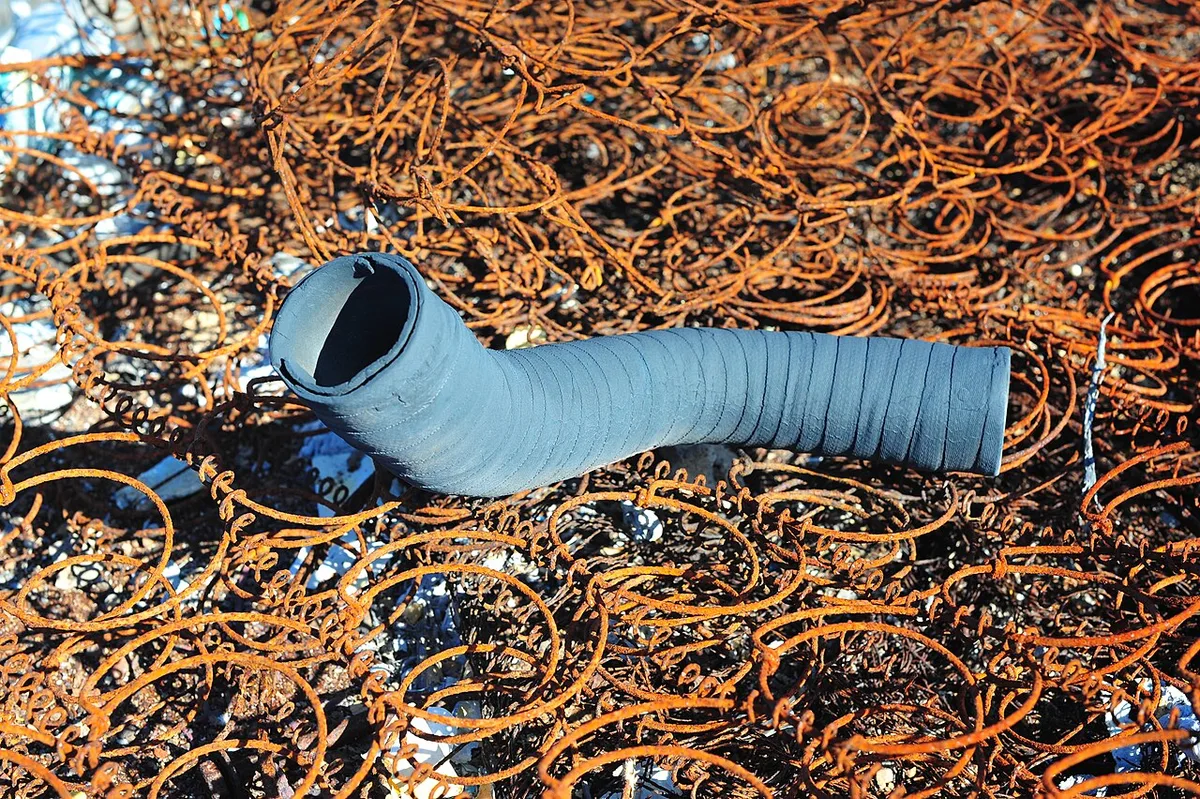
- Upper radiator hose: connects thermostat housing to radiator inlet, rated for 150 psi burst pressure per SAE J20 (SAE J20 standard).
- Lower radiator hose: connects radiator outlet to water pump, handles cooler return flow.
- Hose material: rubber for flexibility, silicone for higher heat resistance up to 250 °F.
- SAE J20 compliance ensures pressure and temperature performance.
Loose or corroded hose clamps can mimic hose failure by allowing coolant to escape. Torque clamps to the manufacturer’s spec, typically 10 to 12 ft‑lb, to ensure a sealed connection. Always replace the hose if the old one shows any sign of wear, even if it appears functional.
Check the hose ends for cracks around the crimp and replace if any damage is visible.
Step-by-Step Process / How to Guide
Follow these steps to replace a radiator hose safely and restore cooling. Gather all tools before you start to avoid interrupting the job.
| Item | Purpose | Typical Cost |
|---|---|---|
| Pressure tester | Verify system integrity after replacement | $20–$40 |
| New radiator hose | Direct replacement for damaged part | $15–$50 |
| Hose clamps (2) | Secure connections, prevent leaks | $5–$10 |
| Fresh coolant (5 qt) | Refill system, restore proper level | $10–$20 |
| Safety gloves and goggles | Protect hands and eyes during work | $5–$10 |
- Let the engine cool completely before opening any coolant connections. Wear gloves to protect your hands from hot coolant.
- Place a stable workspace using wooden ramps to safely lift the car (stable workspace).
- Gather a new hose, fresh coolant, and a set of clamps, affordable clamp options are easy to find (affordable clamp options).
- Remove the old hose by loosening clamps and pulling it away from fittings. Dispose of the old hose in a sealed bag to prevent spills.
- Inspect radiator inlets and outlets for debris; clean if needed. Wipe away any old coolant residue to prevent contamination.
- Install the new hose, aligning the markings if present, and seat the clamps. Ensure the hose is seated evenly and the markings align with the original orientation.
- Torque the clamps to the manufacturer’s spec using an impact wrench for proper torque (proper torque). Seat the clamps and verify hose orientation before tightening to the spec (torque spec).
- Refill the coolant system, then start the engine and let it reach operating temperature. Add coolant until the reservoir reaches the full mark, then close the cap. After refilling, top up the coolant reservoir to the proper level (reservoir check).
- Pressurize the system with a tester to confirm no leaks before driving. Watch for any bubbles or drops indicating a leak before driving. If pressure drops, repeat the test after tightening clamps.
- After replacement, run the engine and watch the temperature gauge, it should settle in the normal range within a few minutes. If the temperature gauge stays high, recheck the hose installation and coolant level before proceeding. Monitor the temperature gauge for the first 10 minutes of operation.
Frequently Asked Questions
How long does a radiator hose typically last?
In our research, rubber hoses usually last 5 to 7 years or 60 000 to 100 000 miles. Heat, UV exposure, and stop and go driving shorten that lifespan. Check them during routine service.
Replace any hose that shows cracks, bulges, or brittleness even if it’s within the expected age range.
Can I drive with a cracked radiator hose?
No. A cracked hose can leak coolant quickly, causing overheating and possible engine damage. Replace it before driving, especially on long trips.
Driving with a leak can empty the cooling system and lead to catastrophic engine failure.
What causes a radiator hose to bulge?
A bulge means the inner liner has separated from the outer rubber, creating a pressure pocket. It often occurs when the hose exceeds its temperature rating or degrades with age. Replace a bulging hose immediately.
Continuing to use a bulging hose can cause a sudden burst and loss of coolant.
Do I need to replace both upper and lower hoses at the same time?
Replace both if they are the same age and show similar wear. If the opposite hose looks fine, you can replace only the failed one. Always inspect the other hose during the job.
Replacing both at once prevents a repeat failure shortly after a single replacement.
If you follow these steps and keep an eye on the symptoms, you’ll catch hose issues early and avoid costly repairs. Regular checks and timely replacements keep your engine running cool and your vehicle dependable.
