
The symptoms of a bad rocker arm include a metallic tap and rough idling. You may also notice oil leaks near the valve cover. If left unchecked, the valve can lose clearance and cause compression loss.
Manufacturer specifications for most pushrod engines list a cold clearance of 0.005 to 0.015 inches. Aggregate shop reports as of 2026 show 12 percent of engine failures traced to neglected valve train components. First, here’s the quick answer to what you’re seeing.
Symptoms of a Bad Rocker Arm
You hear a tap or knock from the engine.
The engine idles rough or misfires.
Oil may leak past the rocker tip.
Compression drops on the affected cylinder.
The valve may stick open briefly.
Problem & Why It Matters
Typical symptoms and why they matter
- Persistent tap or knock that grows louder with RPM.
- Rough idle, misfire, or loss of power on one cylinder.
- Oil seepage around the rocker arm stud or pushrod.
- Decreased compression measured on the affected cylinder.
- Increased oil consumption, often flagged by oil consumption clues.
These signs indicate wear, incorrect clearance, or a broken tip. Ignoring them can lead to valve damage, piston contact, and a costly engine rebuild.
Who is affected (DIY, fleet, racers)
DIY mechanics often catch the noise early and can replace the arm themselves. Fleet managers should monitor mileage because high‑usage trucks show wear around 80k‑150k miles. Racers may experience sudden loss of power during a run and need immediate diagnosis to stay safe.
How a Rocker Arm Works & What Goes Wrong
Core components and failure modes
- Rocker arm body (steel or aluminum).
- Tip (flat or roller bearing).
- Pushrod seat and pivot bore.
- Stud and adjustment nut.
The arm pivots on the stud, transferring camshaft lift to the valve. Wear at the tip or pivot reduces clearance, causing noise. A cracked tip can break, leading to catastrophic valve damage.
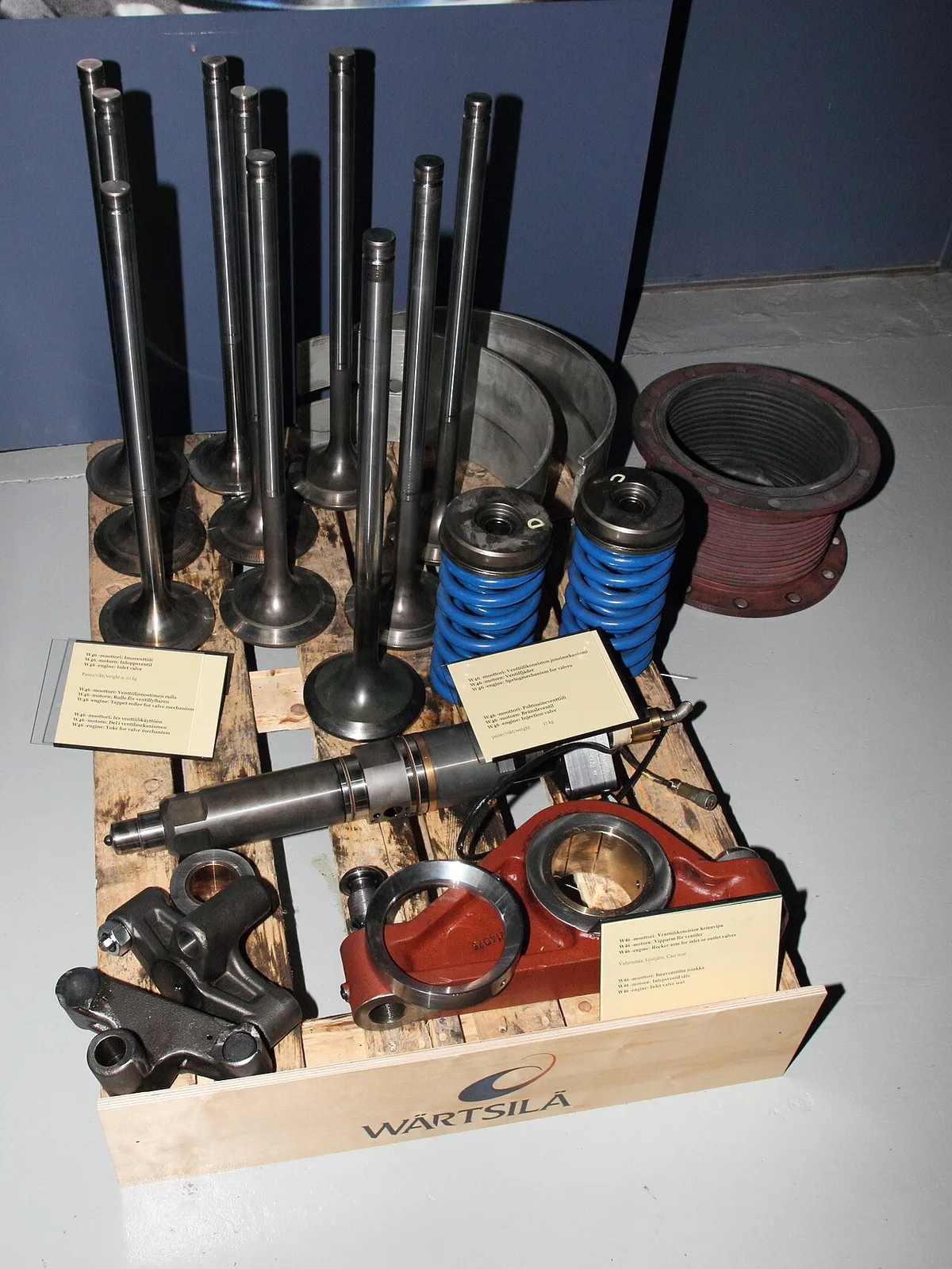
Common wear patterns and their signals
- Flat tip wear shows as a polished spot; replace the arm.
- Roller bearing wear appears as pitting; replace the bearing or arm.
- Loose stud causes excess movement; torque to spec.
- Bent pushrod from incorrect installation; replace pushrod.
Per SAE technical paper on valve train wear, most failures occur after 100k miles without proper clearance checks.
How to Diagnose & Fix It (Step-by-Step)
Quick visual and auditory checks
- Start the engine and listen for a rhythmic tap that rises with RPM.
- Inspect the rocker arm tip for scoring or discoloration.
- Check for oil around the stud and pushrod.
Compression test and clearance measurement
- Perform a compression test on each cylinder; note low readings.
- Use a feeler gauge to measure clearance when the engine is cold.
- Compare readings to the manufacturer’s spec (0.005, 0.015 in).
| Tool / Material | Purpose |
|---|---|
| Feeler gauge | Measure clearance |
| Torque wrench | Apply correct torque |
| New rocker arm | Replacement part |
| Clean rag | Remove oil |
| Safety glasses | Eye protection |
Replacement workflow and torque specs
- Remove the valve cover and disconnect the spark plug wire.
- Loosen the rocker stud nut, then remove the pushrod.
- Take off the old rocker arm and inspect the stud.
- Install the new arm, place the pushrod, and set clearance.
- Torque the stud nut to 10, 12 ft‑lb as per the service manual.
- Reassemble, start the engine, and verify the noise is gone.
For guidance on proper fluid handling during removal, see a fluid work guide.
Costs, Risks & When to Call a Pro
Parts pricing and labor estimates
- OEM rocker arm: $80, $200; aftermarket: $45, $120.
- Labor at a shop: $150, $300 for the job.
- DIY parts cost plus a parts cost reference can keep the total under $250.
Safety warnings and legal compliance
- Always wear safety glasses and gloves when working near moving parts.
- Disconnect the battery before removing the valve cover to avoid electrical shorts.
- Follow the manufacturer’s torque values; over‑torquing can strip studs.
When DIY is safe vs. professional service needed
- DIY is safe if you have a clean workspace, proper tools, and can measure clearance accurately.
- Call a professional if the engine has excessive oil consumption, broken studs, or if you’re unsure about torque values.
- For high‑performance or race engines, a certified technician should verify valve train geometry after replacement.
If you’re debating whether a higher‑priced arm is worth it, check a component upgrade guide for cost‑benefit insights.
