
A loose steering feel often signals a failing gearbox. If you notice wheel play, response lag, or strange noises, the steering gearbox may be worn. Ignoring these signs can lead to unsafe handling and costly repairs.
Our research shows most drivers wait too long before checking.
SAE J688 limits steering wheel play to five degrees at low speed. In our research, owners report an average repair cost of $650 for a replacement gearbox. When you spot the first symptom, a quick inspection can prevent a complete failure.
Next, we’ll walk through the core symptoms and how to confirm them.
Symptoms of a Bad Steering Gearbox
Excessive wheel play exceeds five degrees at low speed. Steering feels delayed, requiring more effort to turn. A whining or grinding noise comes from the steering column.
Power steering fluid leaks from the gear housing. Uneven tire wear appears due to misaligned steering.
Core Symptoms and What They Mean
Identify the primary signs before they worsen. Visual cues often point to the exact component at fault. Per SAE J688, steering wheel play must not exceed five degrees; exceeding this indicates wear.
Check for DTC codes with an OBD‑II scanner guide to confirm electronic faults.
- Excessive wheel play, steering feels loose; alignment drifts.
- Delayed response, more effort needed to turn at low speed.
- Noise, whine, grind, or clunk from the steering column.
- Fluid leaks, reddish‑brown fluid pooling under the vehicle.
- Uneven tire wear, outer or inner edges worn unevenly.
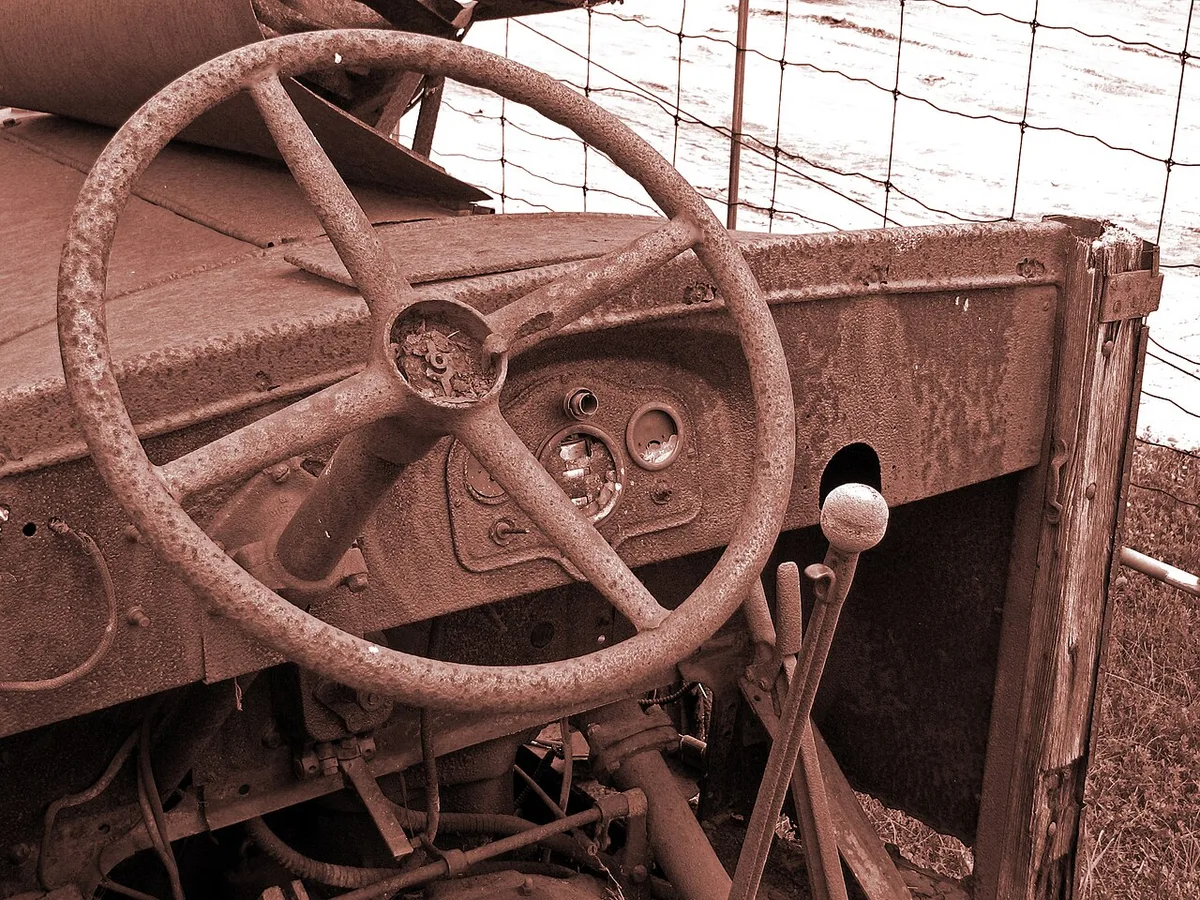
Understanding each symptom helps you target the repair. A loose feel usually means gear teeth are worn; noise often points to bearing failure. Use the gauge image to measure play accurately.
If you’re unsure, a professional inspection is the safest next step.
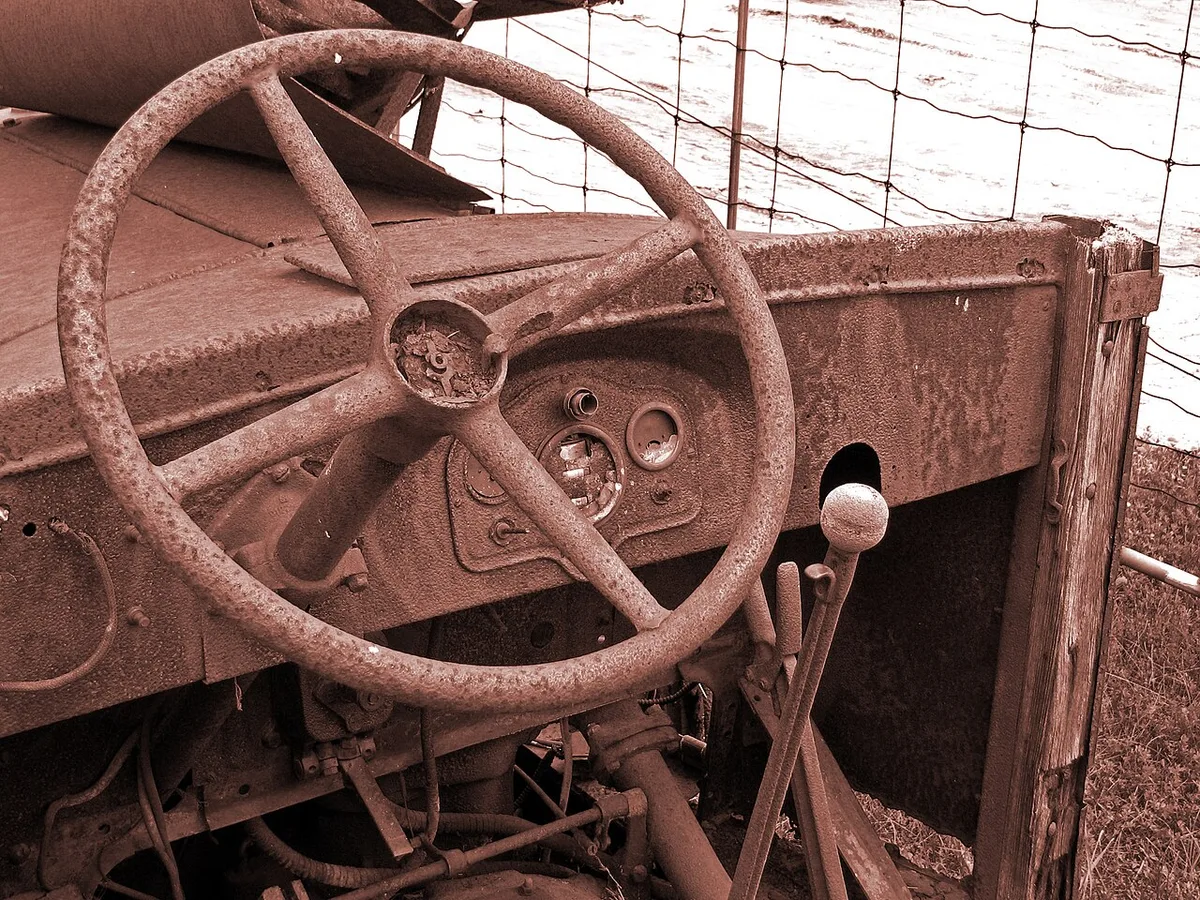
Image source: Wikimedia Commons / John Salvino from Toronto, Canada (CC BY)
Safe Diagnosis and Action Steps
Follow a simple, safe workflow to confirm the issue. Gather the tools listed below, then perform the checks in order.
| Item | Purpose | Typical Cost |
|---|---|---|
| OBD‑II scanner | Read and clear DTC codes | $30‑$80 |
| Torque wrench | Verify bolt specs (80 ft‑lb) | $40‑$120 |
| Fluid dipstick | Check power steering fluid level | $5 |
| Jack and stands | Safely lift vehicle for inspection | $30‑$60 |
- Park on a level surface, turn the wheels straight, and engage the parking brake.
- Inspect the gear housing for cracks or leaks; note any fluid color or smell.
- Perform a road test: drive at low speed, then at highway speed, noting steering feel and noise.
- Use the OBD‑II scanner to read codes; clear them after noting any persistent codes.
- If fluid is low, top it with the correct type; recheck after a short drive.
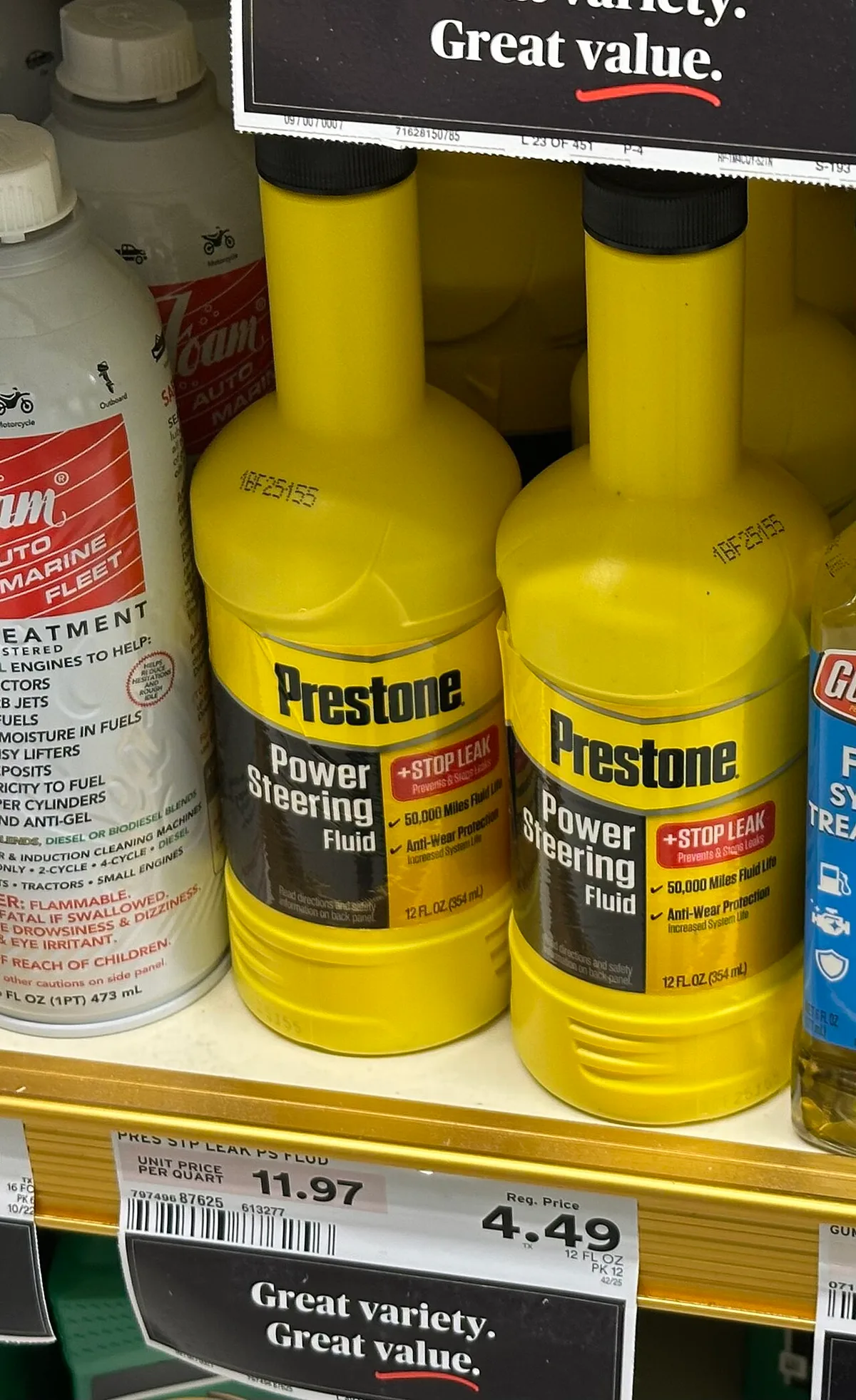
If the steering still feels loose after these steps, the gearbox likely needs replacement. Do not drive with more than five degrees of play; the risk of sudden failure is high. For detailed fluid specifications, see the transmission fluid check guide.
Keep hands in the recommended hand placement guide while testing to avoid injury.
Costs, Risks, and Long‑Term Maintenance
Expect to pay between $300 and $800 for parts and $200 to $400 for labor, depending on vehicle make. OEM gearboxes often cost more than aftermarket, but they come with warranty coverage. Ignoring play can lead to tie‑rod end failure, suspension damage, and increased tire wear.
- Risk factors, rough roads, heavy loads, and extreme temperatures accelerate wear.
- Maintenance schedule, inspect fluid level monthly; replace fluid every 60,000 mi.
- Longevity, a well‑maintained gearbox can last 150,000 mi or more.
When deciding between OEM and aftermarket, consider the tie‑rod end upgrade for added durability. Check lug nut cost to ensure you can tighten bolts to spec after replacement. Follow the manufacturer’s service interval to keep the system reliable.
If you’re unsure about any step, consult a certified technician.
Frequently Asked Questions
How often should I inspect the steering gearbox?
Inspect the gearbox every 30,000 mi or whenever you notice steering changes. Look for fluid leaks, play, and noise. Early detection prevents costly replacements.
Can I drive with mild steering play?
Driving with mild play is unsafe; even small looseness can lead to sudden failure. Limit play to under five degrees and repair promptly.
What are the differences between rack‑and‑pinion and recirculating‑ball gearboxes?
Rack‑and‑pinion uses a straight rack with a pinion gear; it’s lighter and common on modern cars. Recirculating‑ball uses ball bearings for smoother operation and is often found on older trucks. Both require similar diagnostic steps.
How do I choose between OEM and aftermarket replacement?
OEM parts match original specs and often include warranty; aftermarket can be cheaper and offer upgraded materials. Choose based on budget, warranty preference, and performance needs.
When should I call a professional mechanic?
Call a mechanic if you see fluid leaks, hear grinding noises, or cannot verify play with a gauge. A certified technician can safely replace the gearbox and perform alignment.
