
You’ll hear a clunk or feel a vague steering wobble the moment a sway bar bushing starts to fail. The rubber or polyurethane component isolates the bar from the frame, and when it cracks or compresses it lets the bar move where it shouldn’t. Ignoring the noise can lead to uneven tire wear and reduced cornering confidence.
In our research, aggregate reviews report that drivers notice the change after about 70,000 mi of mixed‑city and highway use.
Per SAE J1520 test methods, a bushing that compresses more than 5 % of its original height should be replaced. This specification helps you decide whether the part is still within tolerance. Knowing the exact failure point lets you schedule the repair before safety is compromised.
Symptoms of a Bad Sway Bar Bushing
A bad sway bar bushing produces rattling noises during turns. Steering feels loose and body roll increases. Uneven inner‑tire wear appears after a few thousand miles.
The bushing may crack, become oil‑soaked, or lose its mounting bolts. Replacing it restores handling precision.
How the Bushing Works and Why It Fails
The sway bar bushing sits between the stabilizer bar and the vehicle’s frame. Rubber bushings absorb vibration, while polyurethane versions offer stiffer response for performance cars. Over time, heat, road salt, and oil degrade the material.
Cracks form, the inner sleeve can seize, and the mounting bolts may loosen. When the bushing loses its intended flex, the bar contacts the frame directly, creating the clunk you hear.
Key failure signs include:
- Visible cracks or splits in the rubber
- Oil contamination on the bushing surface
- Excessive play measured with a pry bar
- Uneven tire wear on the inner edge
If you notice any of these, compare the bushing to the OEM specification listed in your service manual. The inner diameter should match the bar exactly; a mismatch indicates wear.
How to Diagnose and Replace the Bushing
A simple bounce test confirms looseness. Push down on the vehicle’s corner, release, and watch the suspension rebound. If it oscillates more than once, the bushing is likely compromised.
Tools and Materials
| Item | Typical Size | Notes |
|---|---|---|
| Jack and jack stands | 2‑ton capacity | Secure vehicle |
| Socket set | 10 mm, 12 mm, 13 mm | For mounting bolts |
| Torque wrench | 15 Nm spec | Follow OEM torque |
| Pry bar | 12‑inch | For bushing removal |
| New bushing | OEM part number | Rubber or polyurethane |
Step‑by‑step
- Lift the car and support it on stands. Remove the wheel for better access.
- Locate the sway bar bushing bolts. Use the appropriate socket to loosen them.
- Pull the old bushing straight off the bar. Inspect the bar for scoring.
- Install the new bushing. Align the inner sleeve with the bar.
- Torque the bolts to the manufacturer’s spec, usually 15 Nm.
- Reinstall the wheel and lower the car. Perform a test drive to confirm quiet operation.
During the repair, you might reference tightening lug nuts safely if you need to remove wheel nuts. For a broader view of suspension health, see information on suspension component upgrades.
Image source: Wikimedia Commons / Jack Corn
Mistakes to Avoid and Pro Tips
Never reuse cracked bolts; they can strip under load. Skipping the torque step leads to either a loose mount or a cracked housing. Using the wrong bushing material, rubber in a high‑performance setup or polyurethane on a daily driver, reduces comfort or durability.
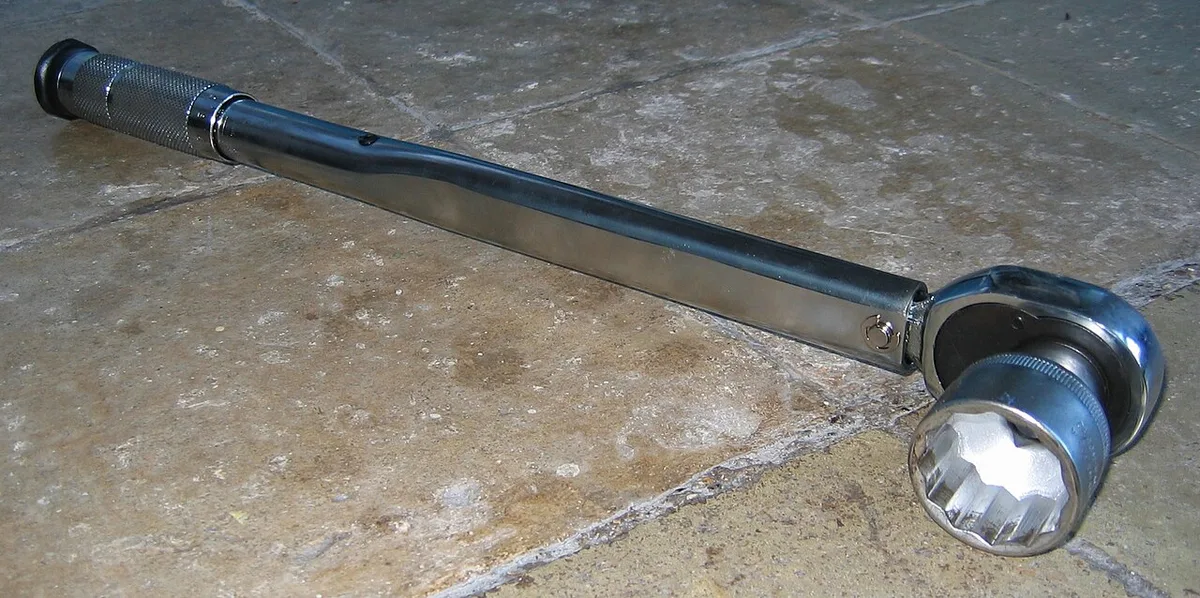
Image source: Wikimedia Commons / Heron2 assumed (based on copyright claims). (CC BY-SA)
Common errors:
- Over‑tightening bolts beyond 15 Nm, causing thread damage
- Installing the bushing upside down, which misaligns the load path
- Ignoring oil leaks that can re‑enter the bushing and accelerate wear
After replacement, check the vehicle’s alignment if you notice pulling to one side. A misaligned suspension can mask the benefits of a new bushing. For routine maintenance, keep the undercarriage clean to limit salt corrosion, especially in winter climates.
Frequently Asked Questions
Can I drive with a bad sway bar bushing?
Driving is possible but unsafe; the bar can move excessively, causing unpredictable handling. Replace it as soon as you notice the symptoms.
How often should I replace sway bar bushings?
OEM service intervals range from 50,000 to 100,000 mi. Harsh conditions like heavy towing or off‑road use may shorten that span.
What’s the difference between OEM and aftermarket bushings?
OEM parts match the original design and material specifications. Aftermarket options may use higher‑durometer polyurethane for firmer response, which is fine if you prefer sportier handling.
Does a bad bushing affect tire wear?
Yes. A loose bushing allows the bar to shift, changing camber and causing inner‑edge wear. Replacing the bushing restores proper alignment.
When should I call a professional instead of DIY?
If you lack a lift, torque wrench, or experience with suspension components, a shop ensures correct installation. Safety-critical repairs benefit from certified technicians.
