
When your car starts slipping between gears, you’re hearing the classic symptoms of a bad transmission. Ignoring those signs can turn a simple fluid change into a costly rebuild. As of 2026, drivers report average repair bills between $1,500 and $4,000.
Per SAE J308, transmission fluid should be inspected every 30,000 miles to catch early wear. Low fluid levels often cause whining noises and delayed shifts. If the dipstick shows brown or burnt fluid, the transmission is already stressed.
Let’s walk through what to look for and how to confirm the problem.
Symptoms of a Bad Transmission
A bad transmission slips between gears.
You hear whining or humming noises.
Shifts feel delayed or harsh.
Fluid appears brown or smells burnt.
Check the dipstick for low fluid.
Recognize the Warning Signs
- Gear slipping, the engine revs but the car doesn’t accelerate.
- Delayed engagement, a pause before the car moves after you shift.
- Harsh or jerky shifts, sudden jolts when changing gears.
- Whining or humming, especially when the car is under load.
- Burning smell, indicates overheated fluid or overheated components.
| Symptom | Likely Cause |
|---|---|
| Slipping | Low fluid or worn clutch plates |
| Delayed shift | Faulty TCM or valve body |
| Harsh shift | Worn torque converter or transmission mounts |
| Whining | Gear wear or pump issue |
| Burning smell | Overheated fluid or transmission |
If you notice any of these, start by checking fluid level before you drive further.
How a Transmission Works
The transmission transfers engine power to the wheels through a series of gears. Key components include the torque converter, planetary gear sets, and the transmission control module (TCM). The TCM monitors speed, load, and fluid temperature to command the correct shift.
When any component wears, the system can’t maintain proper pressure, leading to the symptoms above. Manufacturer specifications confirm that a healthy transmission operates between 80 °F and 120 °F. For detailed engineering guidelines, see SAE International.
Step-by-Step Diagnosis Process
Visual inspection, pull the dipstick, note fluid color and level.
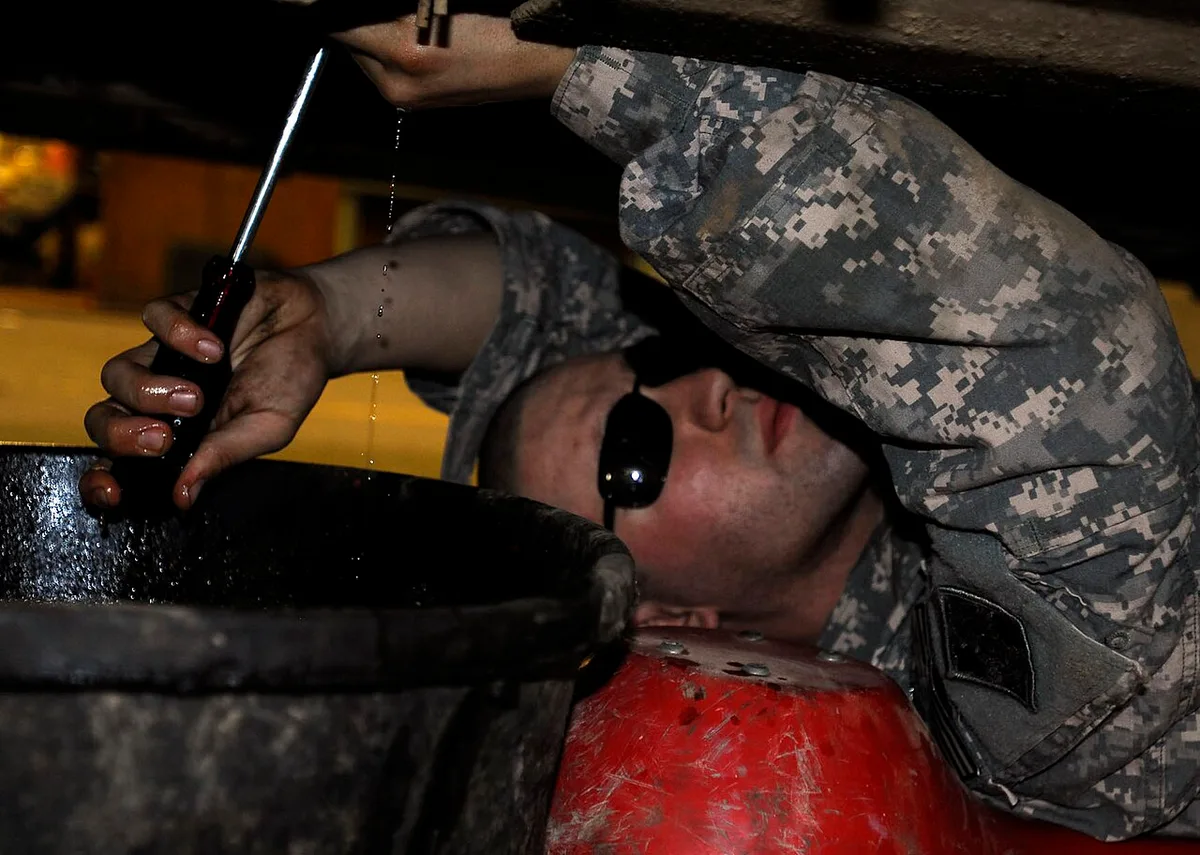
Road test, listen for noises, feel for delayed shifts, and note any slipping.
OBD‑II scan, read Diagnostic Trouble Codes that point to the TCM or sensors.
Use a scanner to read codes; a guide like How To Buy Obd2 Scanner helps choose the right tool.Pressure test, if fluid looks good but symptoms persist, a shop can test line pressure.
Consult NHTSA data, the agency’s safety database lists common failure patterns for each model year.
| Step | Action |
|---|---|
| 1 | Check fluid level and condition |
| 2 | Perform a short drive test |
| 3 | Scan for DTCs |
| 4 | Verify pressure if needed |
| 5 | Review NHTSA recall info |
Following these steps narrows the problem before you spend on parts.
Mistakes to Avoid & Safety Warnings
Driving with low fluid, can destroy the pump in minutes.
Using the wrong fluid type, mismatched fluid can cause seals to swell or shrink.
Skipping the filter change, old filters restrict flow and repeat the same failure.
Before you replace the filter, follow the steps in How To Change Automatic Transmission Fluid Filter for proper procedure.Ignoring early noises, a small whine often precedes a major failure.
DIY rebuild without proper tools, transmission work requires torque wrenches and clean workspaces.
Always wear gloves and eye protection when handling fluid. If you’re unsure, let a certified technician handle the diagnosis.
Typical Repair Ranges
Most rebuilds fall between $1,500 and $4,000 according to national repair data from 2023. A fluid flush and filter change usually costs $150‑$250. Full replacements can reach $3,500‑$6,000 for a new or reman unit.
See the table below for a quick cost snapshot.
| Service | Typical Cost | Notes |
|---|---|---|
| Fluid flush & refill | $150‑$250 | Includes filter replacement |
| Rebuild (in‑shop) | $1,500‑$3,000 | Labor plus parts |
| Full replacement | $3,500‑$6,000 | New or reman unit |
When to Rebuild vs Replace
Rebuilding makes sense if mileage is under 150,000 and the case isn’t cracked. Replacement is better for high‑mileage units or when the torque converter is damaged. Check the manufacturer’s service bulletin for model‑specific guidance.
Expert Tips for DIYers
- Verify fluid temperature is between 80 °F and 120 °F before draining.
- Use the correct fluid type; mixing Dexron VI with older fluid can cause seal failure.
- After a flush, run the engine for 10 minutes to circulate new fluid.
For detailed steps, see How To Add Transmission Fluid To A 2014 Ford Focus.
Maintenance to Extend Life
Change fluid and filter every 30,000 miles or per the service schedule. Keep the transmission cool by avoiding heavy loads in hot weather. If you notice a faint whine, schedule a diagnostic before the next oil change.
For reminders on fluid intervals, refer to What Is Car Recovery Point.
Real-World Scenarios
A 2018 Toyota Camry showed early whine at 45,000 miles; a fluid check revealed low level and burnt smell. The owner flushed the system and replaced the filter, restoring smooth shifts within a week. In contrast, a 2015 Honda Accord with slipping gears required a full rebuild after the torque converter failed.
How long does a transmission rebuild take?
Most shops complete a rebuild in 2‑3 days if parts are in stock. Delays occur when the shop needs to order a specific gear set or torque converter. Ask for a written estimate of labor hours before approval.
Can I drive with a slipping transmission?
Driving with a slipping transmission can damage the pump and cause total failure. Limit trips to short distances and avoid highway speeds. Arrange towing to a shop as soon as possible.
What fluid should I use for a 2015 Honda Accord?
Use Honda‑approved ATF Type Z1 or Dexron VI for older models. Mixing fluids can lead to clutch wear and reduced shift quality. Check the owner’s manual for the exact specification.
For safety alerts, consult the NHTSA recall database. For professional standards, see ASE Certified Master Technician guidelines.
